AUGUSTO DE LUCA
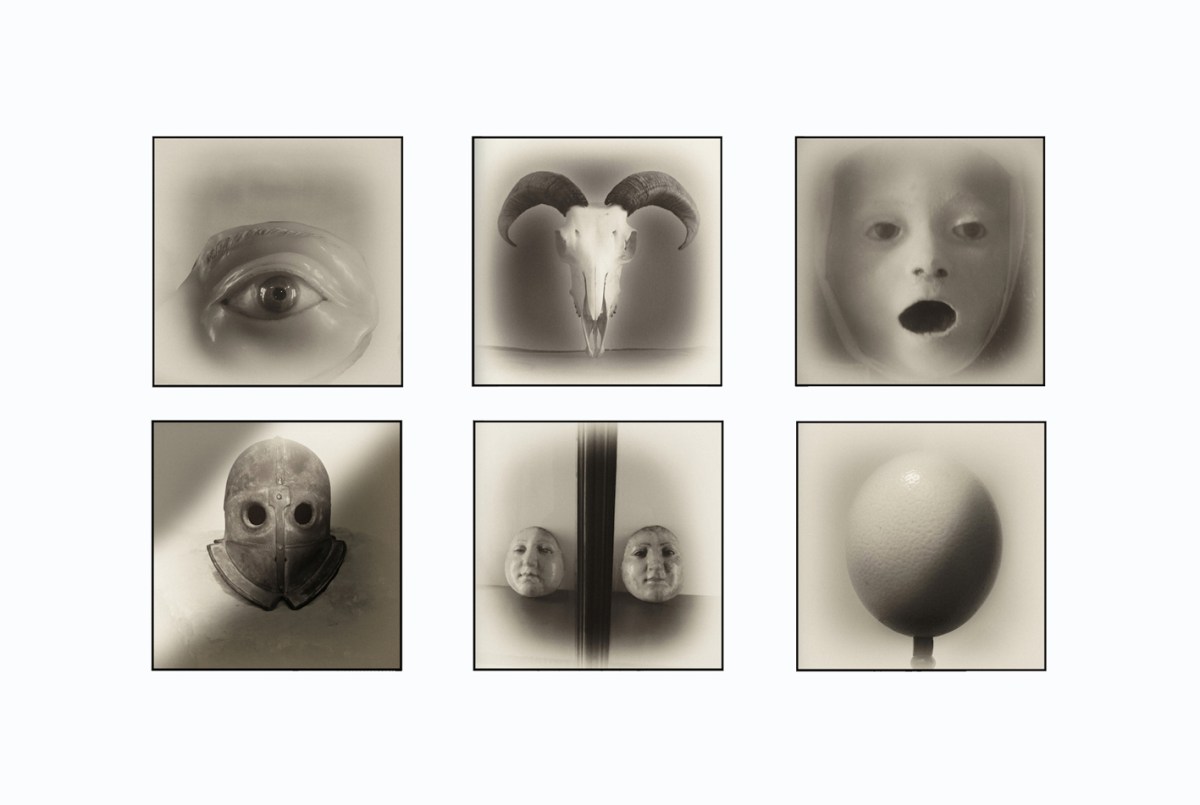
// For more than five decades, Italian photographer and performer Augusto De Luca has moved freely between photographic genres, from portraiture and architecture to cityscapes and experimental fine art. Born in Naples in 1955, he completed classical studies and graduated in law before choosing an entirely different path and becoming a professional photographer in the mid-1970s. His latest project, Armageddon, takes his long-standing interest in metaphysical imagery into darker territory.
His fascination with the medium of photography began in the darkroom, watching an image slowly materialise on photographic paper – an experience that led him to teach himself photography while studying the history of art and developing the distinctive visual language that would shape his career.
Augusto’s work has always occupied an interesting territory between observation and transformation. His photographs can be rigorously realistic, particularly in his portraits and studies of cities, but elsewhere recognisable objects are reduced to shapes, signs and carefully isolated details, creating compositions with an almost metaphysical quality.
Framing is central to his approach: the camera does not simply record what is in front of it but separates, reorganises and sometimes estranges elements of reality until the familiar begins to acquire another meaning.
Over the years, Augusto has photographed prominent figures and cities across Italy, while also working in publishing, advertising and commissioned photography. His work is held in major international collections, and his book Roma Nostra received the Città di Roma award in 1996.
“Art is either plagiarism or revolution.”
Paul Gauguin
What draws you to the arts?
I love all of art history, especially paintings.
What did you like best about this photography project?
“Armageddon” is my new work inspired by the latest catastrophic world conflicts.
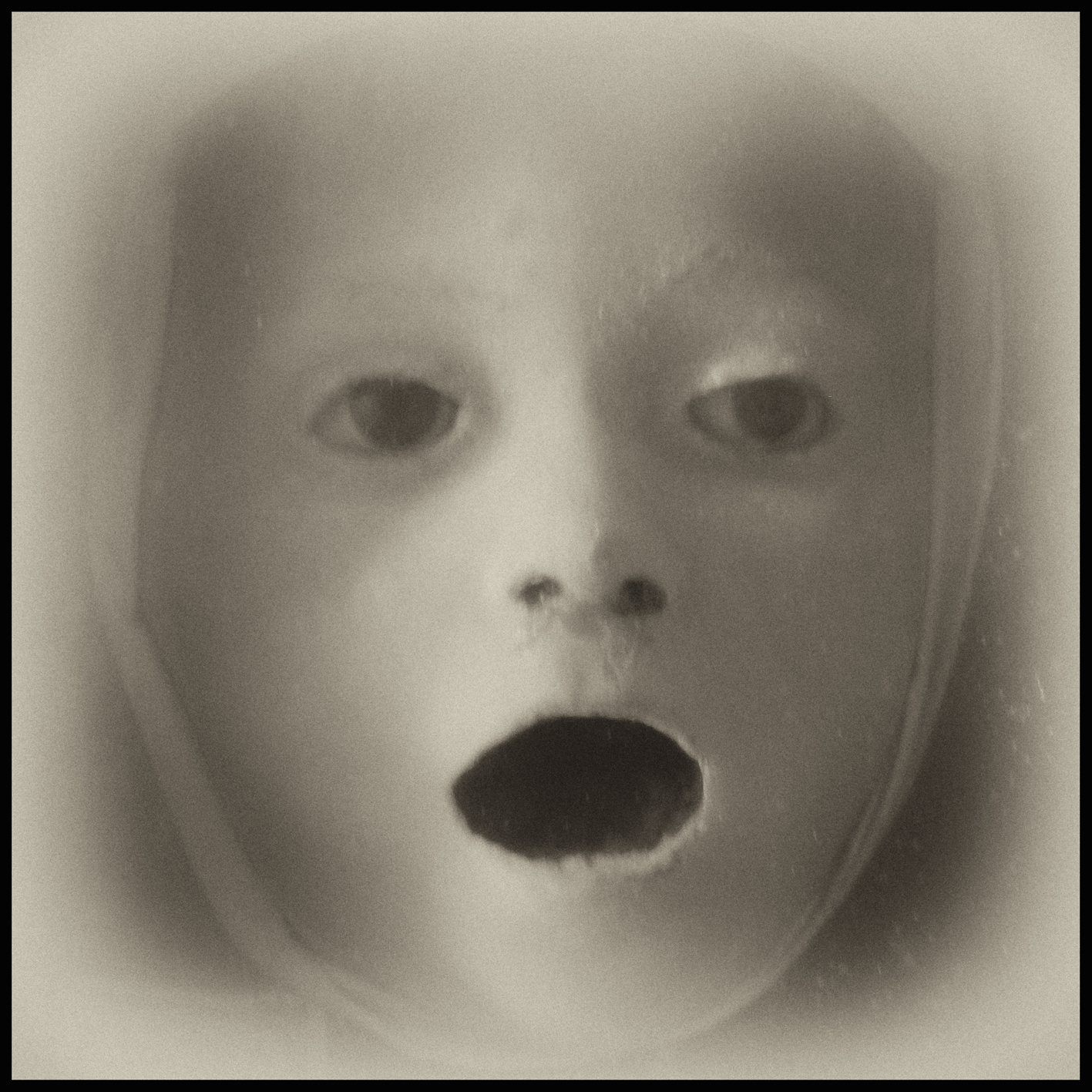
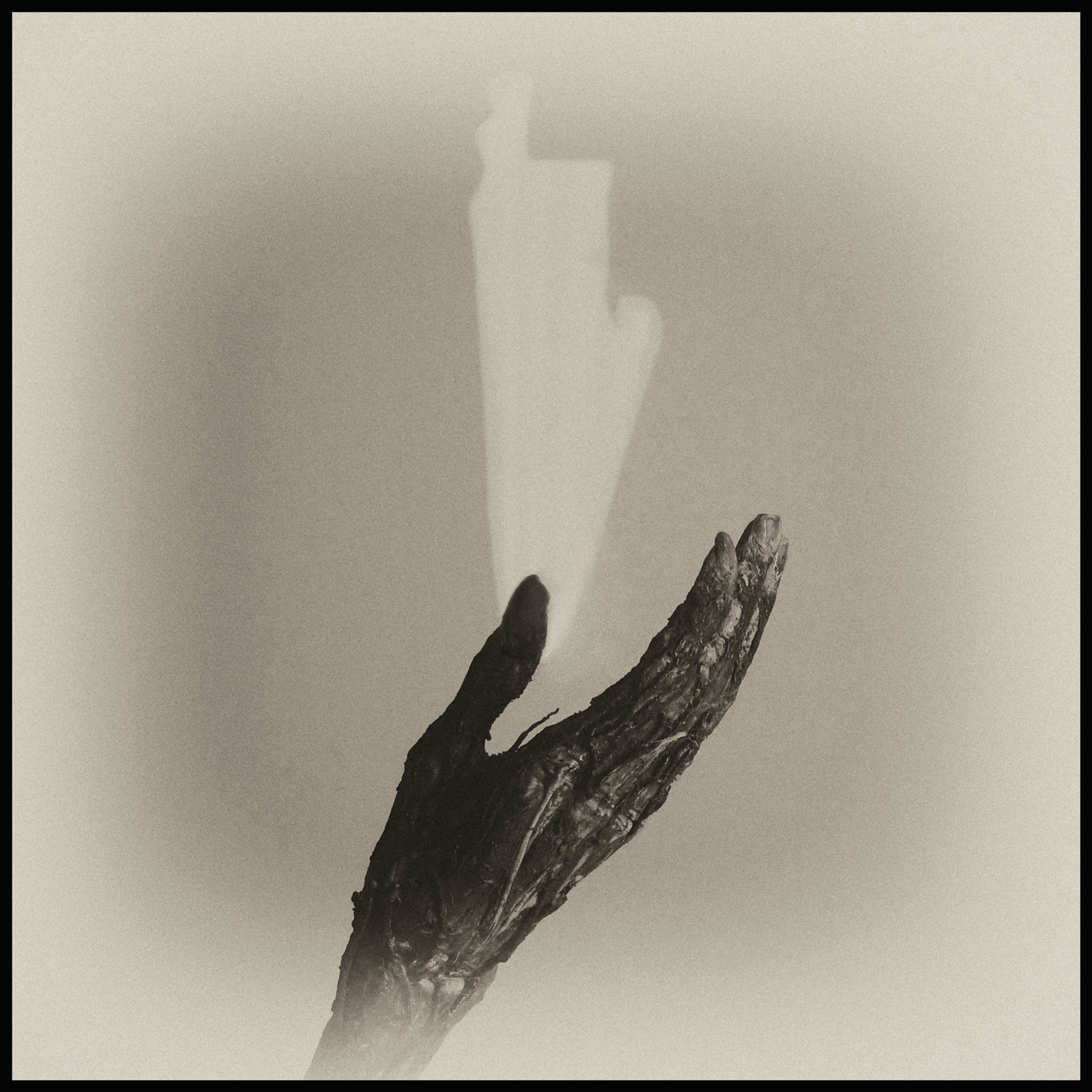
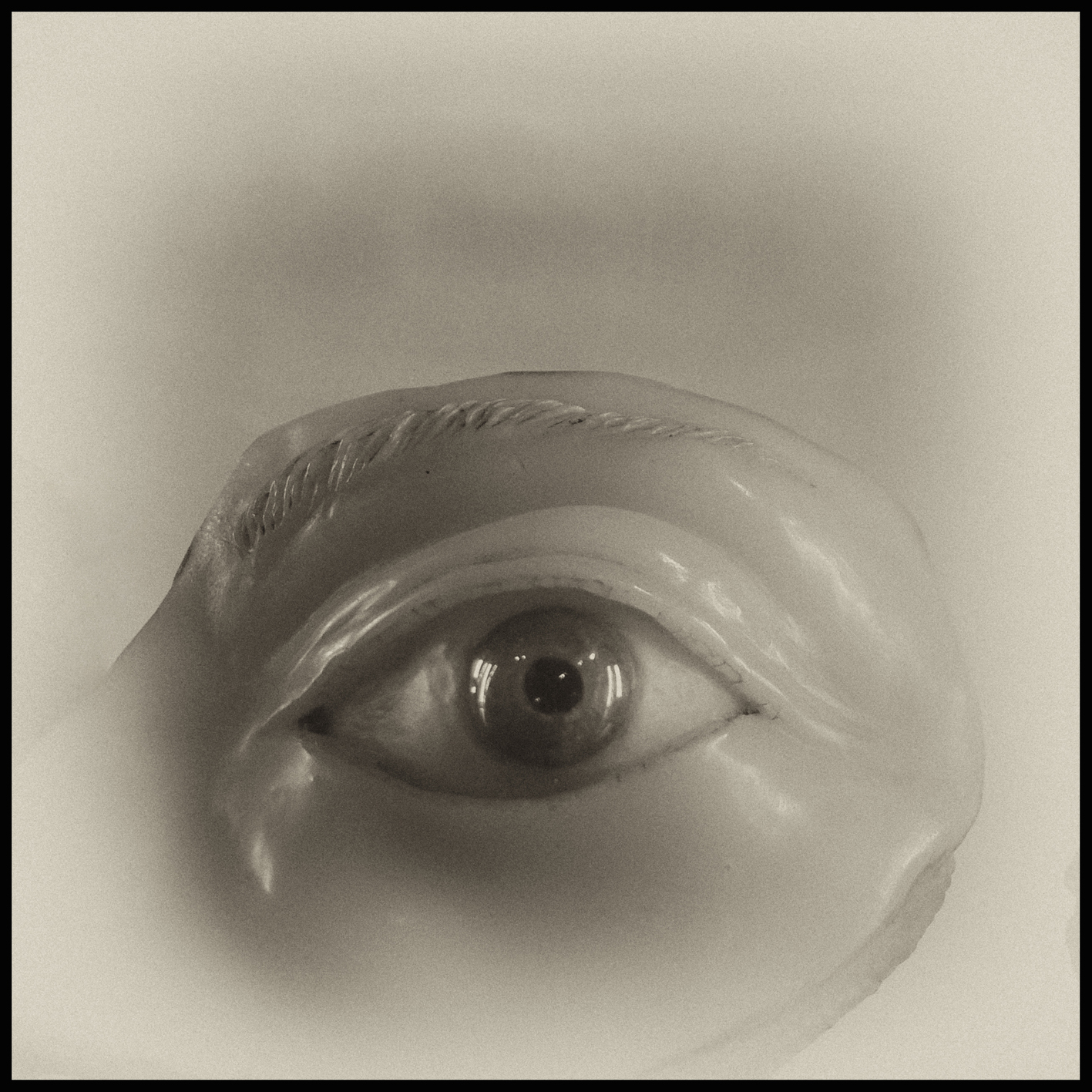
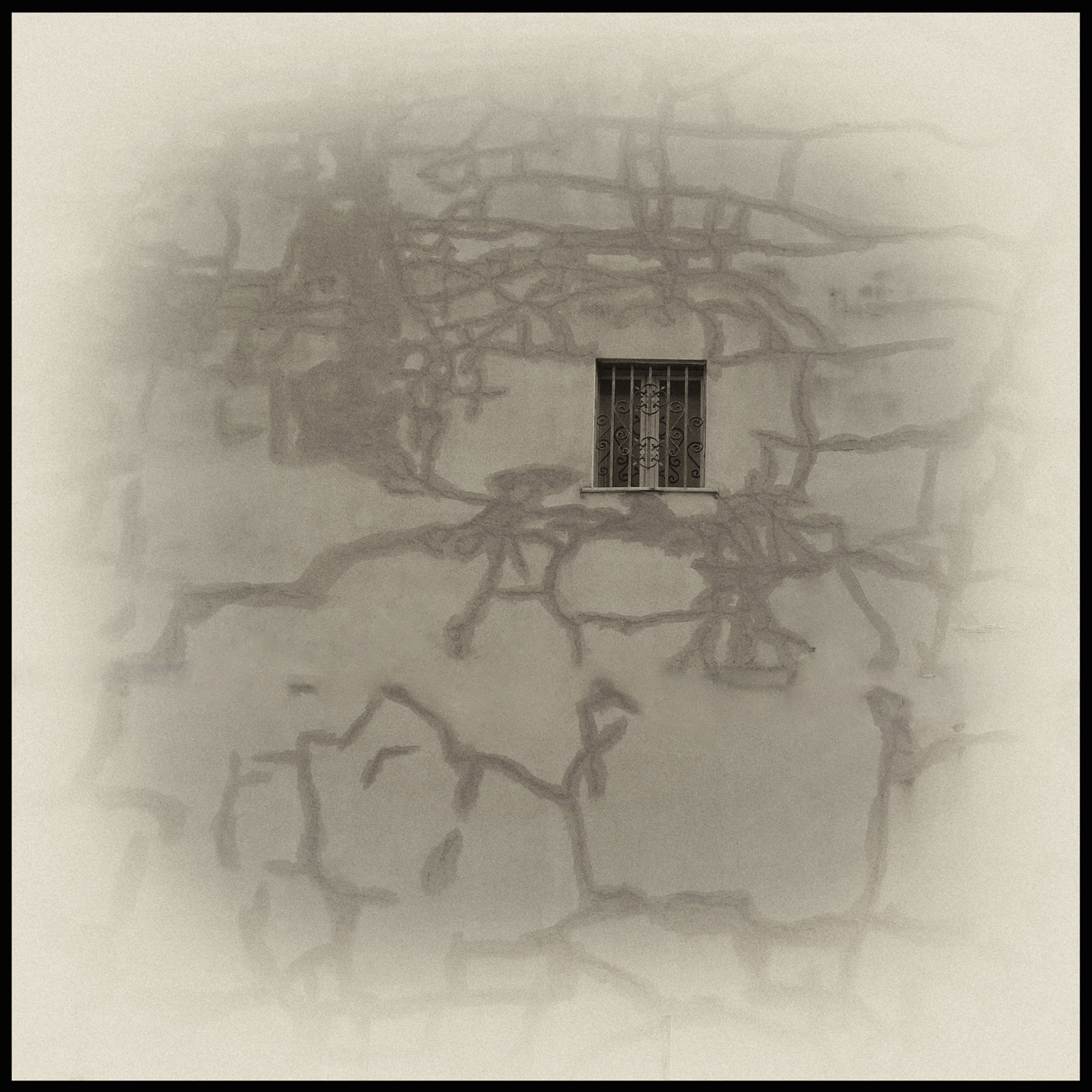
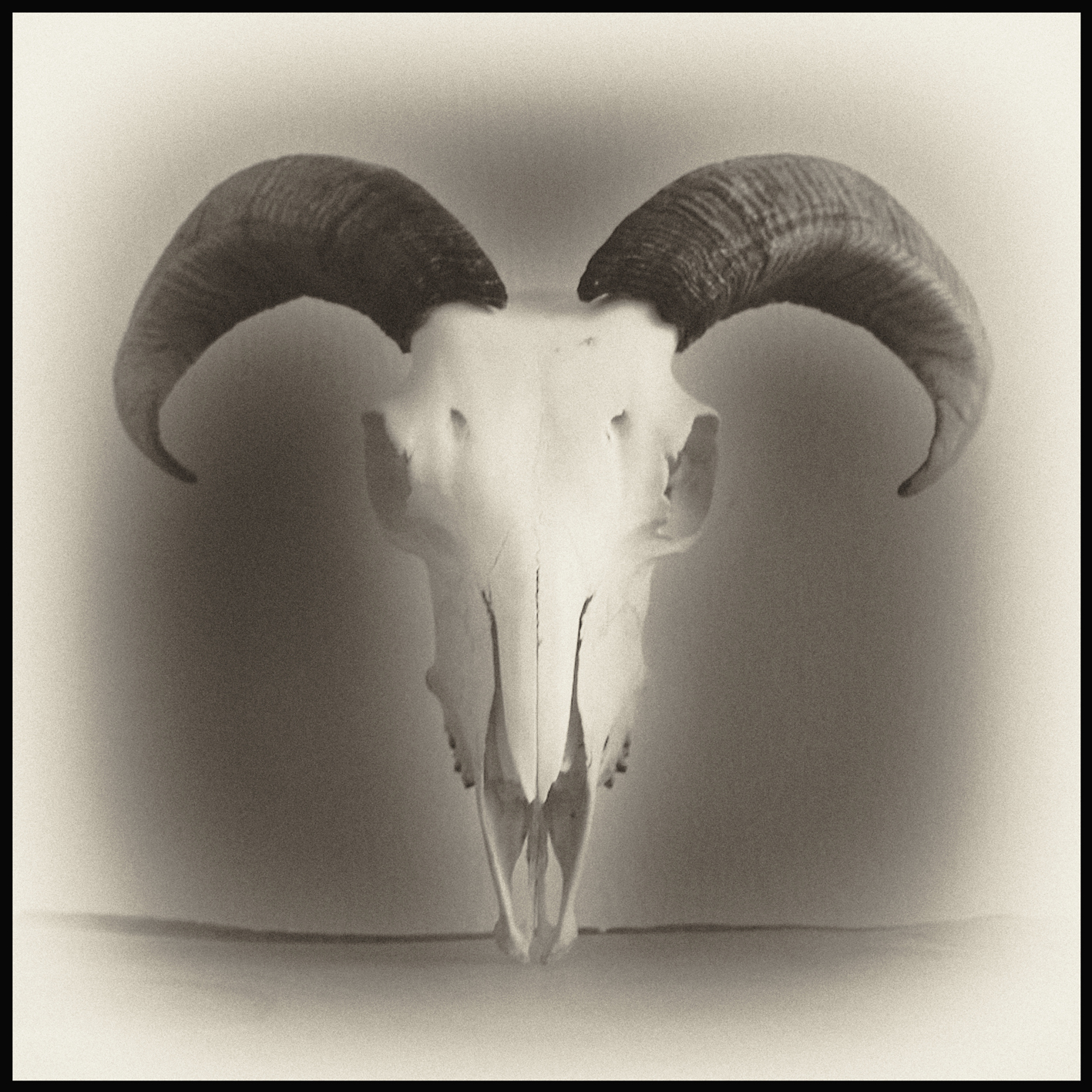
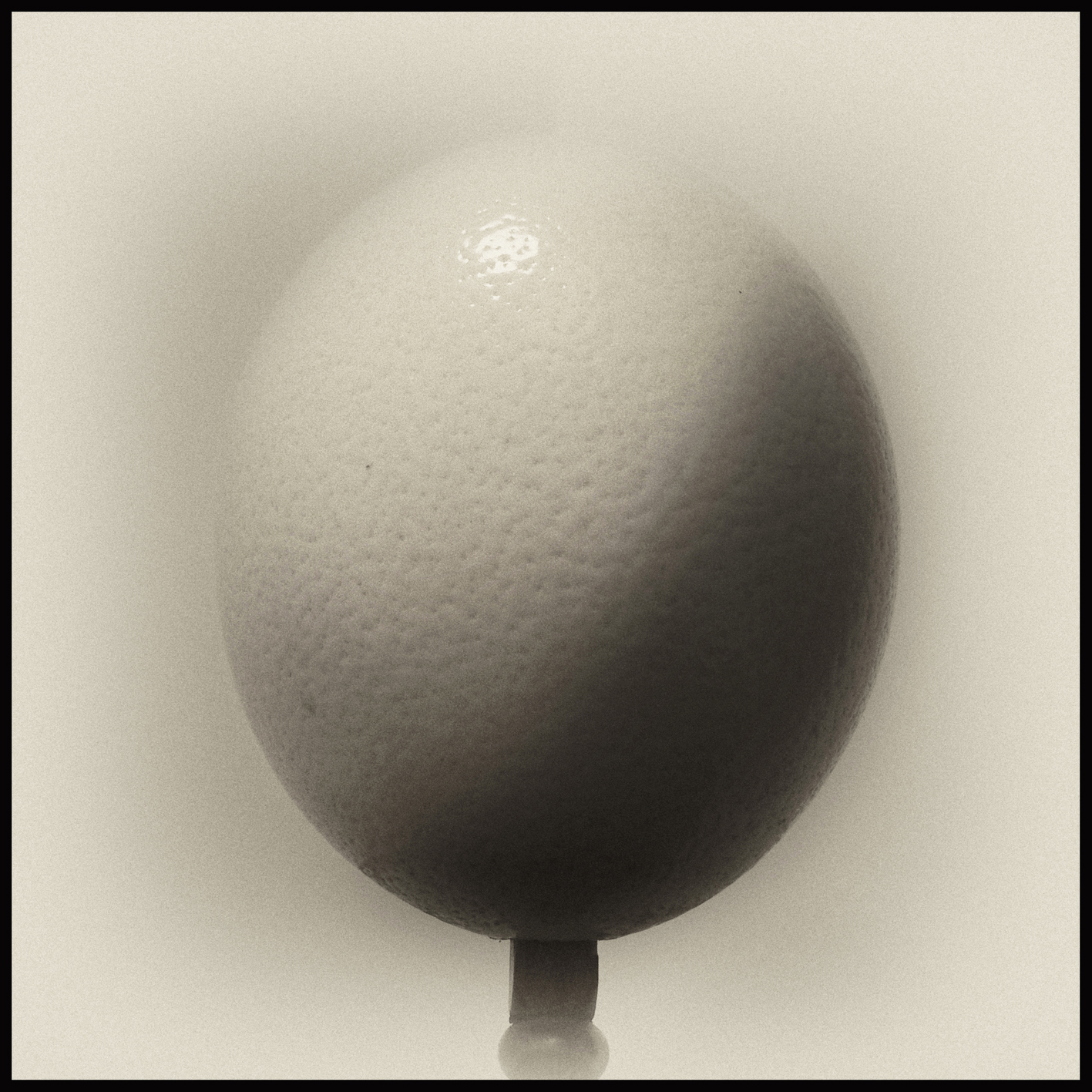
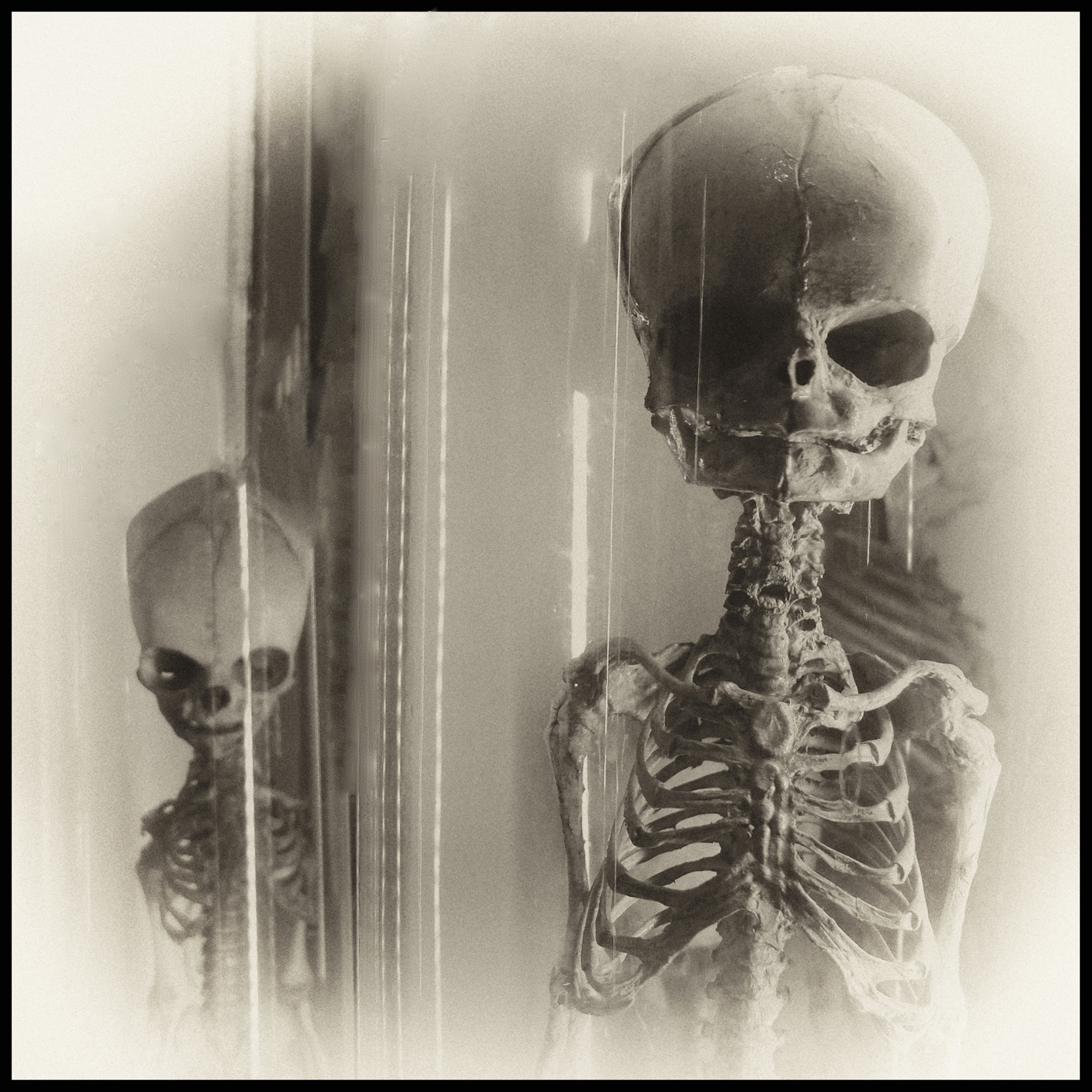
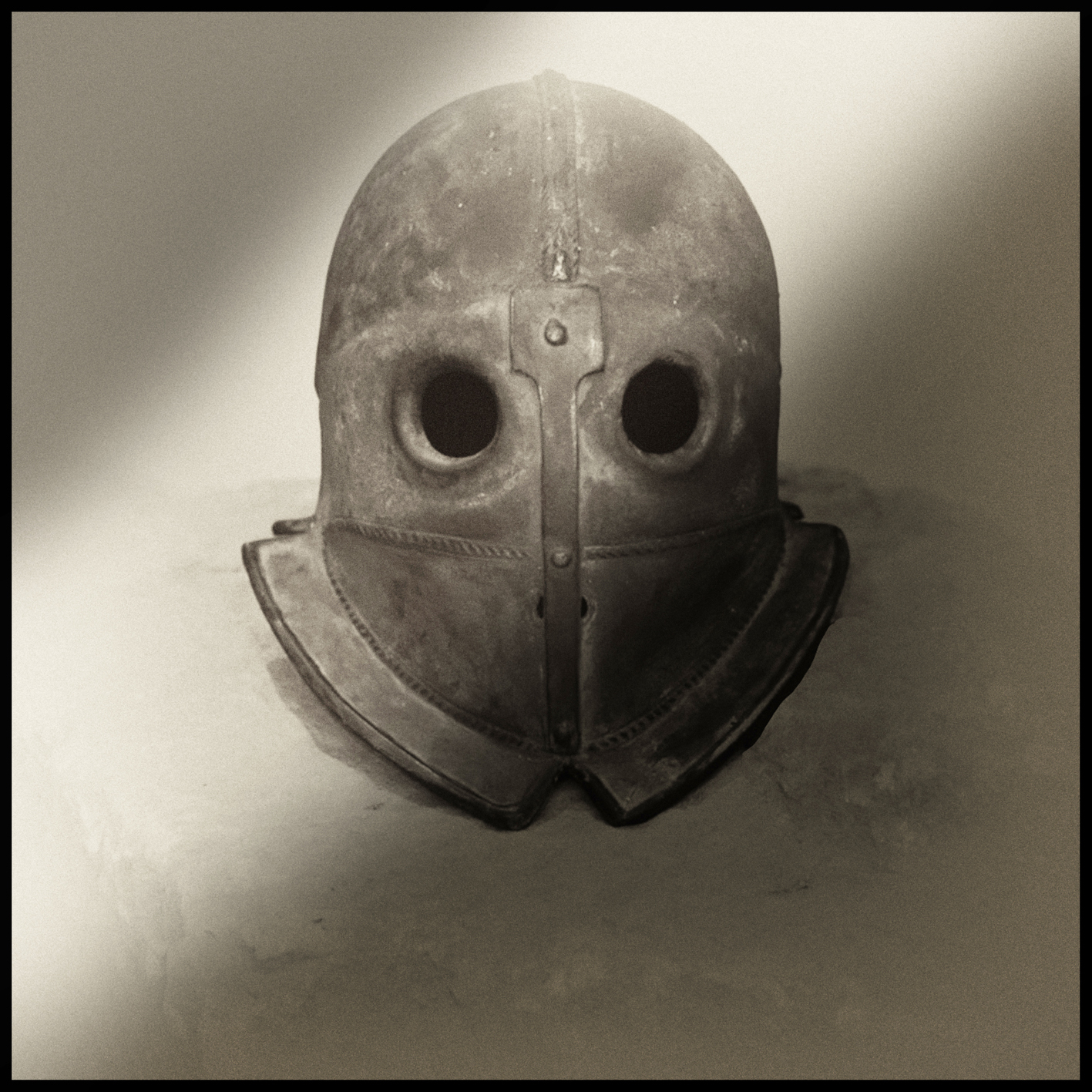
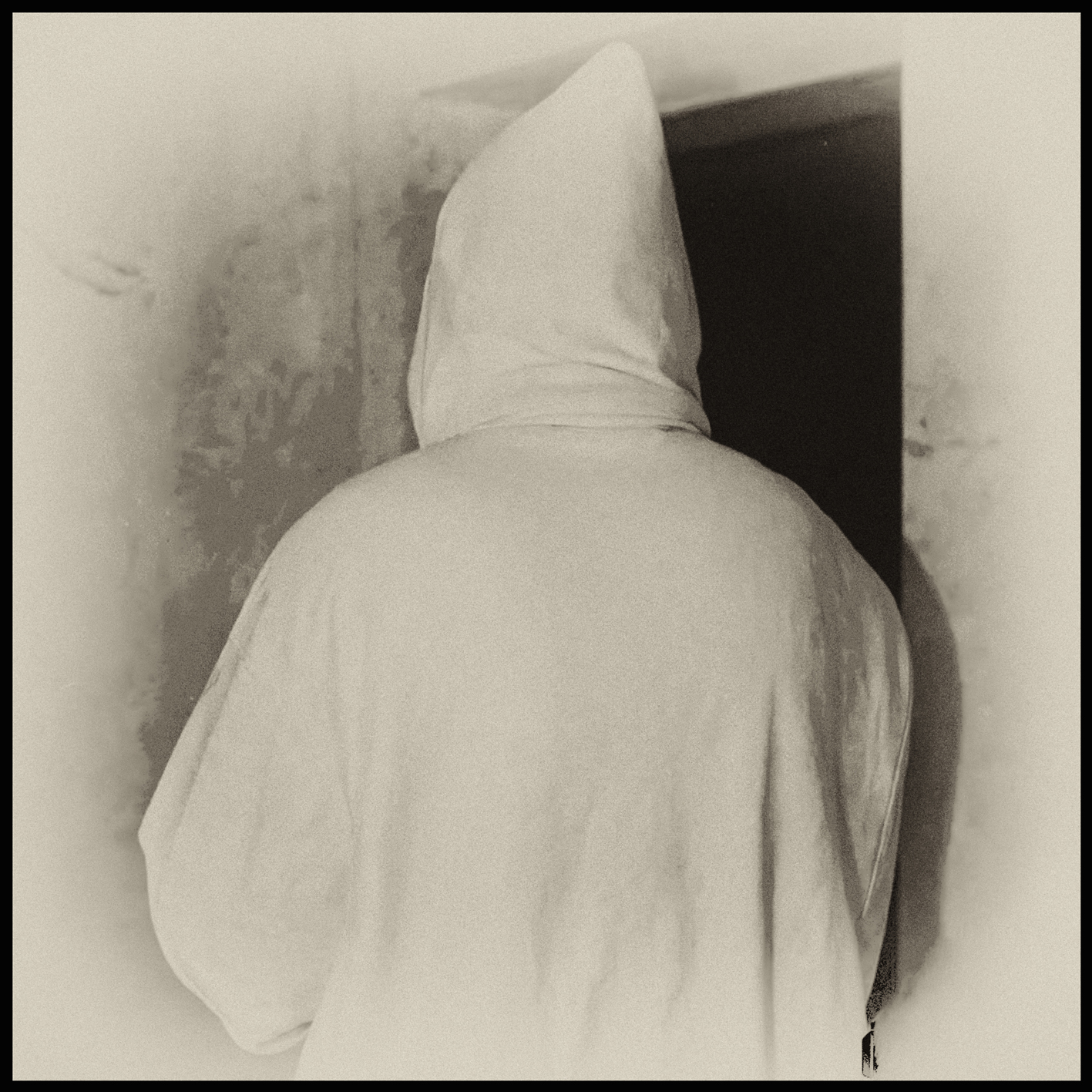
Augusto has a particular affinity for the square format, which allows him to construct balanced, contemplative compositions. Like in this new project, he frequently works in black and white, using the absence of colour to reduce an image to its essential forms, textures and emotional qualities, while shapes and signs interact to create the abstract, timeless and often metaphysical atmosphere characteristic of his work.
Armageddon’s point of departure is the catastrophe of the world wars, yet this is emphatically not war photography in the documentary sense. There are no battlefields to identify, no decisive historical moments and no attempt to reconstruct events. Instead, Augusto turns towards what remains when the event itself is over: fear, absence, memory, silence and the psychological traces left behind.
The distinction matters. Photography has played an enormous role in shaping our visual memory of war, and we have become accustomed to understanding conflict through images of destruction and human suffering. Armageddon deliberately removes itself from that tradition. Augusto is interested not in showing us what happened, but in creating a visual equivalent for what cannot so easily be photographed.
The resulting images inhabit an uneasy territory between reality and dream. Recognisable elements appear, yet they are photographed in ways that prevent straightforward interpretation. Human traces can seem like apparitions; the iconography is at once mysterious and recognisable. The surreal is not used as an escape from historical reality but as a means of approaching its emotional aftermath.
This is where Armageddon connects particularly strongly with Augusto’s earlier fascination with metaphysical imagery. Ordinary visual logic is disrupted just enough to make us reconsider what we are seeing. The viewer is left to construct associations between destruction, vulnerability, mortality and survival. The photographs function less as illustrations of a predetermined message than as triggers for memory and imagination.
Augusto describes the project as an attempt to reach the invisible behind historical events: the scars carried by those who survived, the stories that were never told and the silences left by those who did not. In his own account of Armageddon, he speaks of seeking the moment after the catastrophe, when the immediate violence has ceased but its presence continues to permeate everything. It is a useful way of understanding these photographs. Their subject is ultimately not the explosion but the echo.
The title inevitably carries its own considerable weight. Armageddon suggests destruction on an almost unimaginable scale, but the series is concerned as much with individual human experience as with collective catastrophe. Behind the historical abstraction of a world war lie millions of private histories: people who disappeared, survived, waited, mourned or continued living with what had happened. Augusto’s photographs do not attempt to recover those individual stories. Instead, they create a symbolic space in which their absence can be felt.
There is also a deliberate tension between beauty and horror. The images attract the eye through their formal construction even as their atmosphere suggests violence and unease. The beauty of his photographic treatment does not cancel the invoked pain, just as the passage of time does not erase history.
Armageddon inevitably reaches beyond the conflicts that originally inspired it. The mechanisms of war change; its consequences for human beings are distressingly persistent. Wars eventually acquire dates, names, monuments and chapters in history books. Human memory is far less orderly. This photographic project occupies that unstable space, where the event may be over, but its shadows have not disappeared.
All photos © AUGUSTO DE LUCA
To see more of his photography visit his Grokipedia entry.

