AULIAK
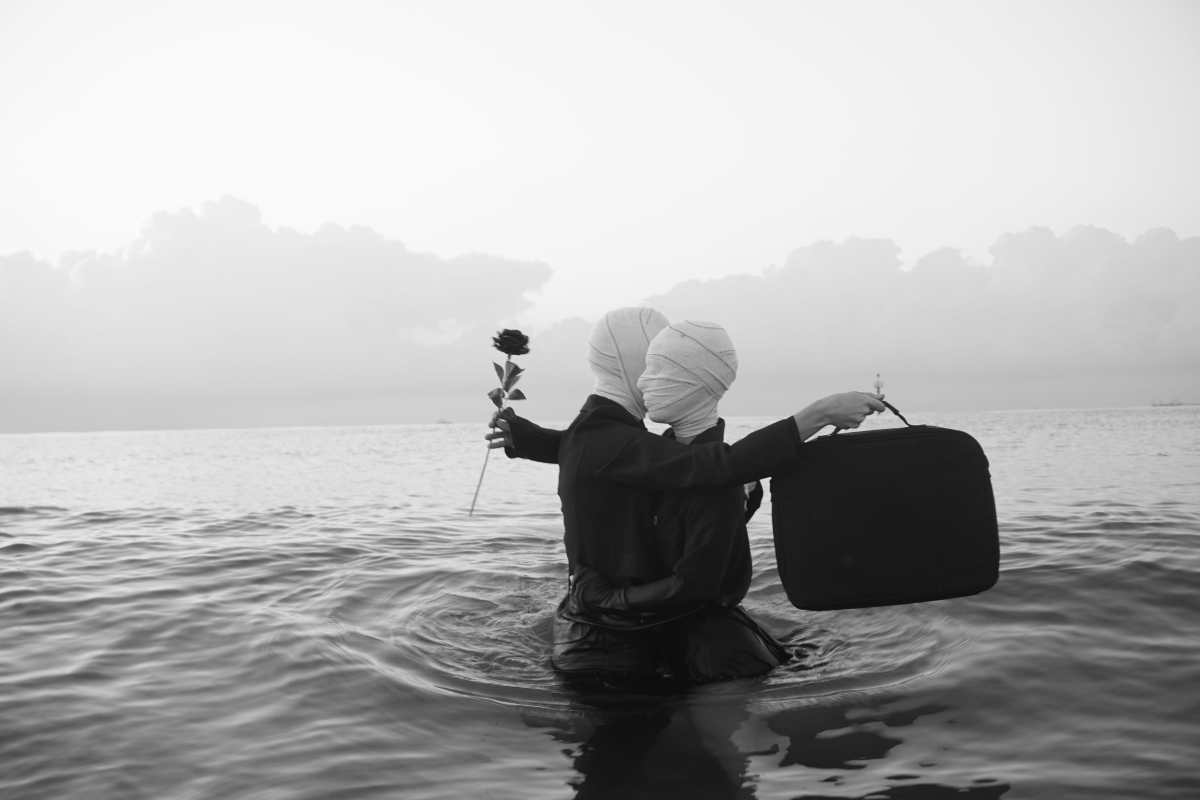
// For AULIAK, the artistic identity of Barcelona-based artist Matías Martínez Casais, photography begins with the body. The Argentinean artist, now based in Barcelona, came to photography through an international practice in dance, and that background remains fundamental to the way he constructs an image. His series Entegonia develops these ideas through a sequence of encounters between two masked figures moving through different landscapes.
Movement, choreography, gesture, distance and the relationship between bodies in space form the vocabulary of his photographic work. Rather than using the camera primarily to document what already exists, AULIAK creates situations in which bodies perform for the image, positioning photography somewhere between a staged tableau and a suspended performance. This approach also explains his interest in removing or obscuring individual identity.
When the face disappears, other forms of communication become more pronounced. A turn of the body, the angle of an arm, the distance separating two figures or the tentative movement towards another person can suddenly carry the emotional weight normally assigned to facial expression. AULIAK is interested precisely in this territory: what remains when identity recedes and the body itself becomes the bearer of tension, intention and relation.
“I don’t know what I’m doing, but I know what I’m looking for.”
Pina Bausch
What draws you to the arts?
What draws me to art is the possibility of entering a space where meaning is not fixed, but felt. Whether I am watching a performance, walking through an exhibition, or creating work myself, I am interested in those moments where something shifts internally without being fully understood. Art allows for a different kind of attention. Time slows down, and small details — a gesture, a pause, a relation between forms — begin to carry weight. I am drawn to works that do not try to explain themselves, but instead create an atmosphere where something can be sensed rather than defined. Engaging with art often feels like stepping into a shared yet deeply personal space, where perception becomes more sensitive and open. It is less about finding answers, and more about remaining present within the experience.
What did you like best about this photography project?
What I value most about this project is its ability to hold tension without resolving it. The images exist in a state where connection is always attempted but never fully secured. I am particularly drawn to how small variations in gesture and distance can completely shift the meaning of a situation. The work relies on very minimal elements, yet each encounter feels different, as if something is constantly about to happen but never quite does. There is also something I find compelling in the quietness of the series. It allows space for ambiguity, where the viewer is not guided toward a conclusion but invited to remain within the uncertainty.
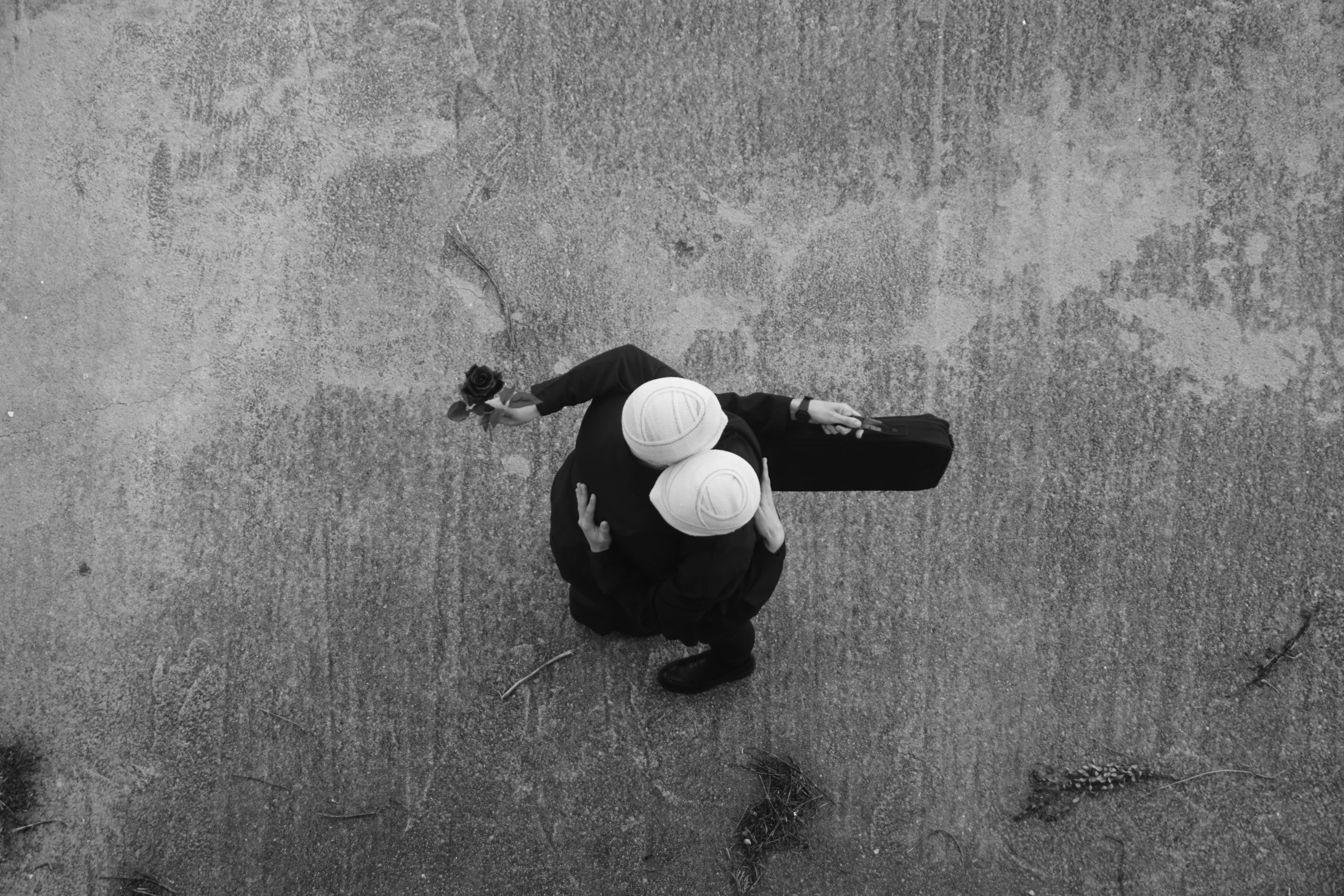
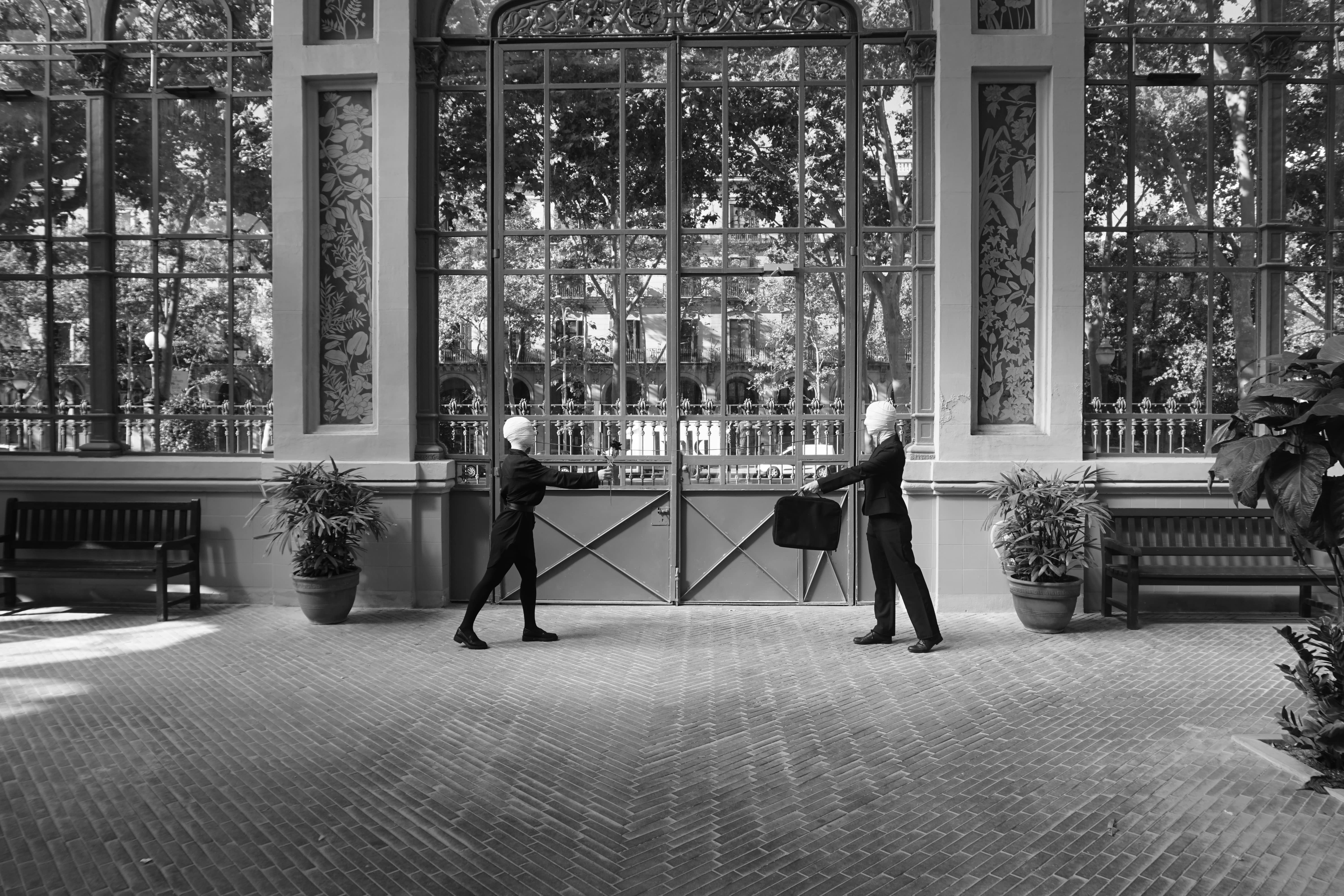
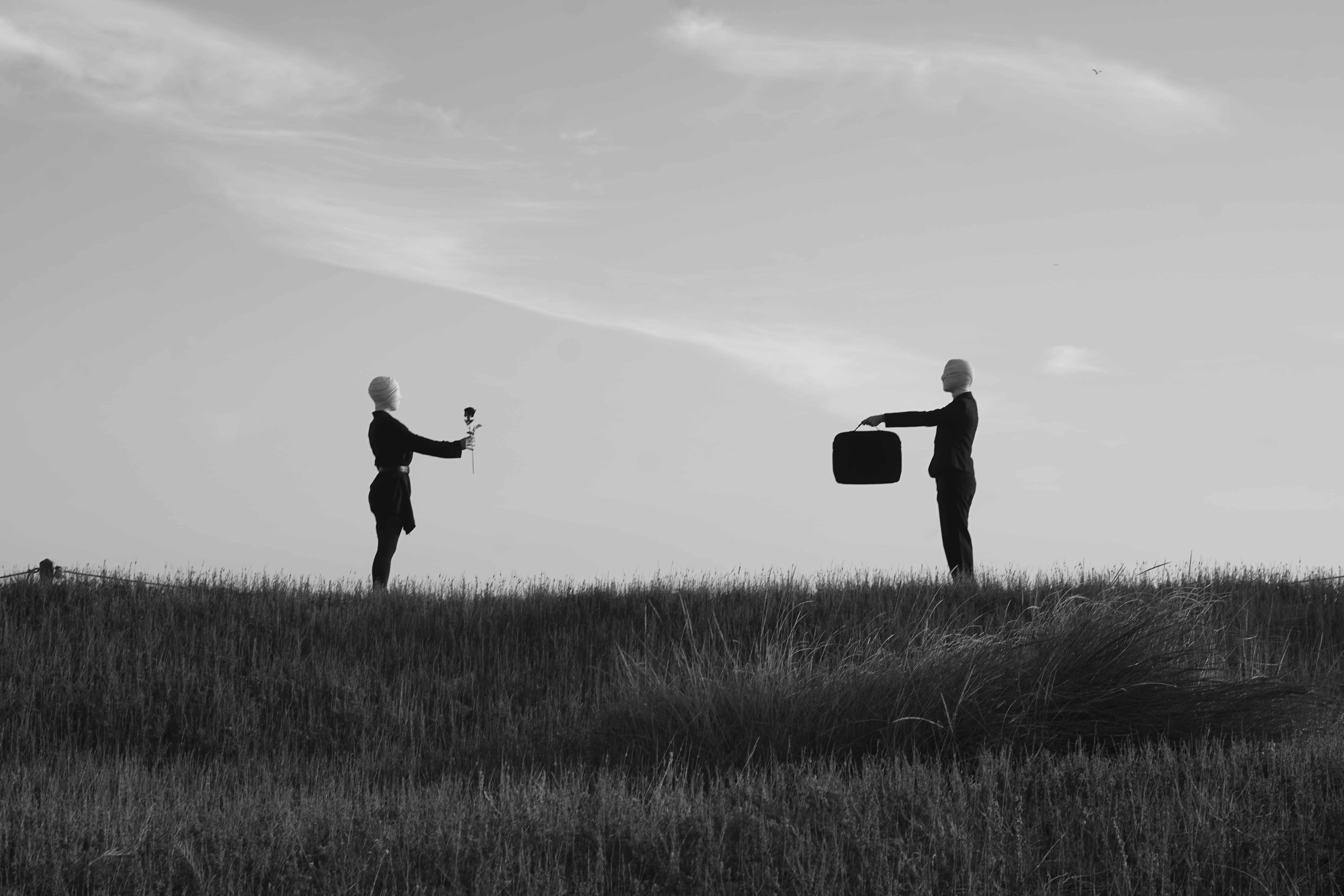
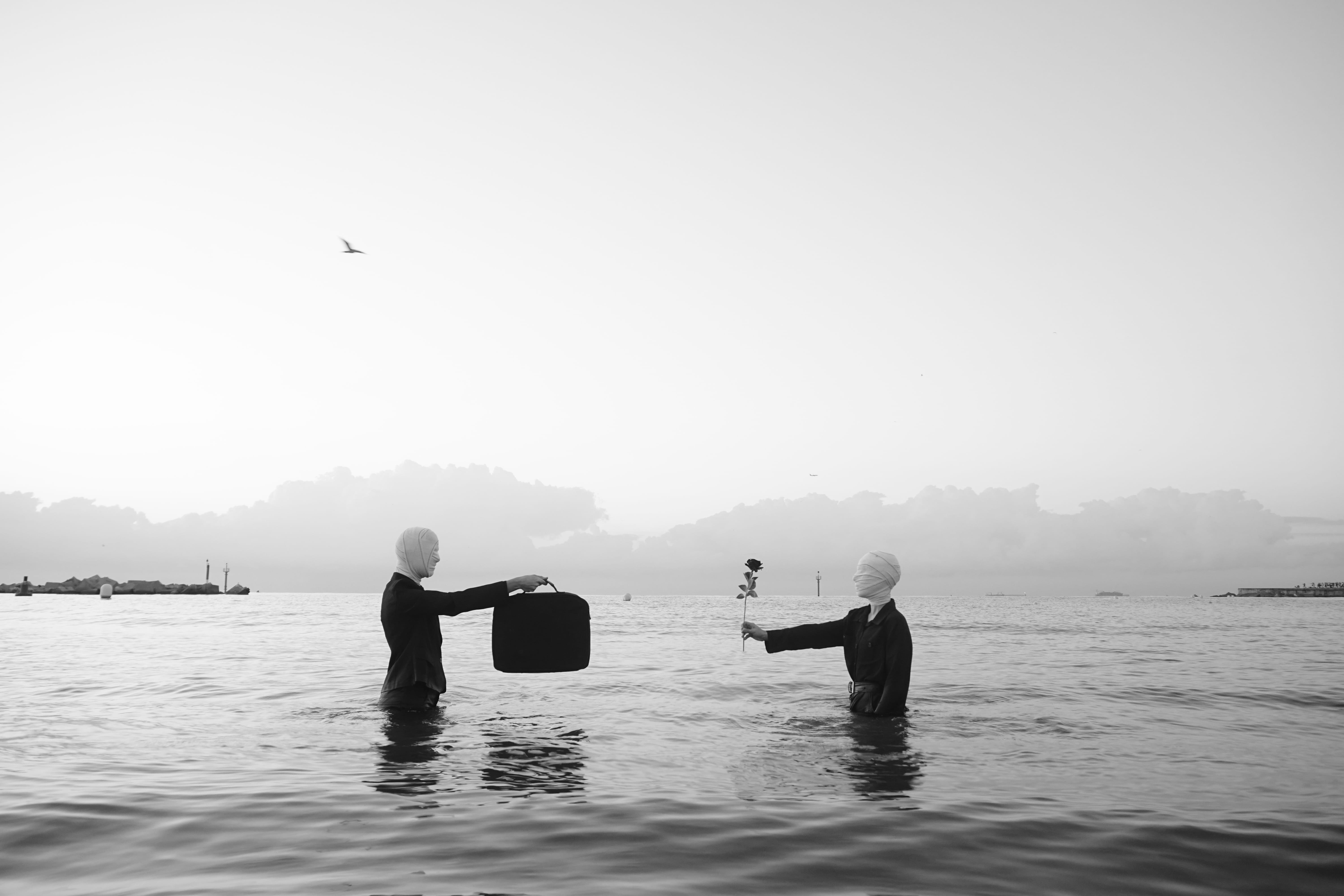
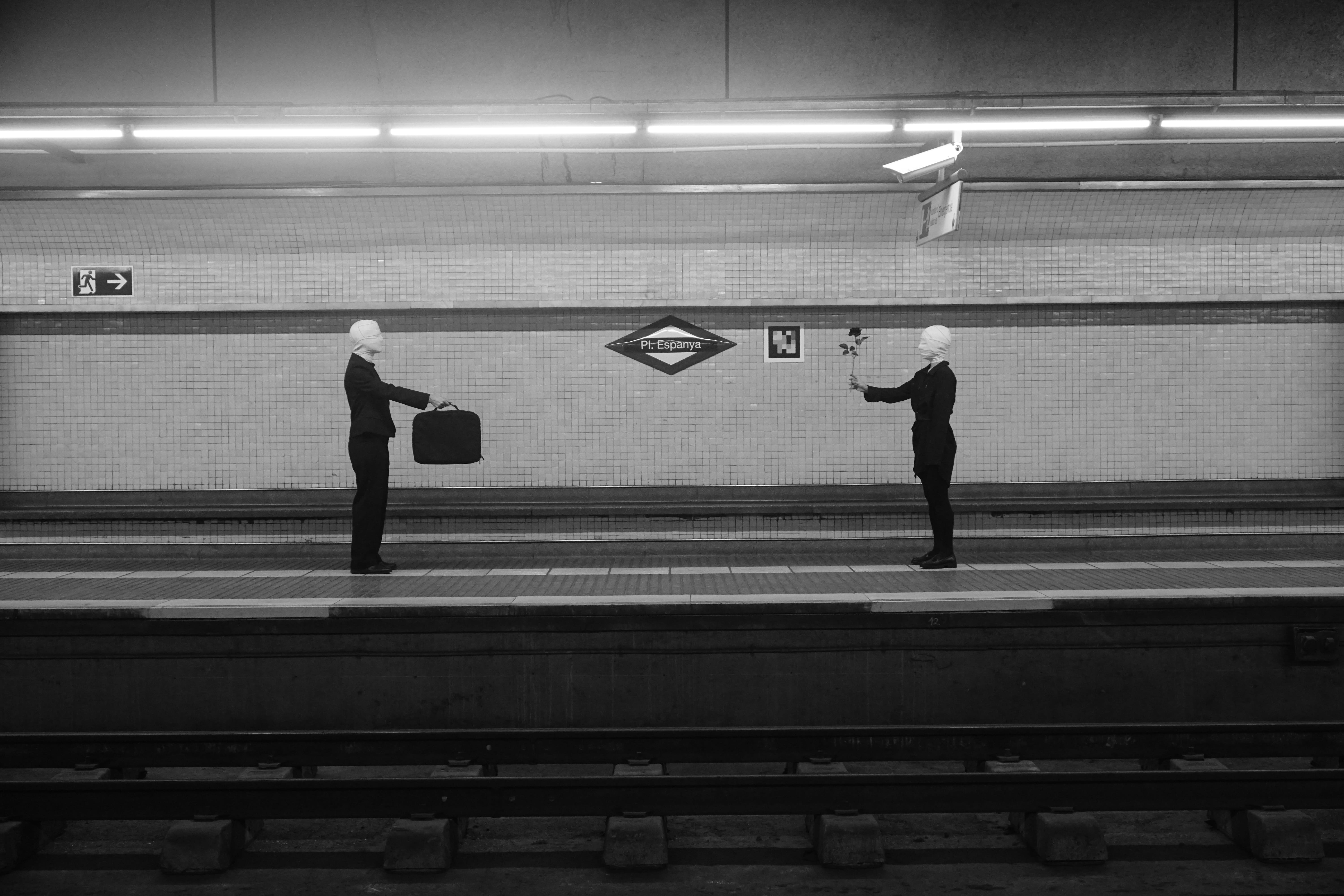
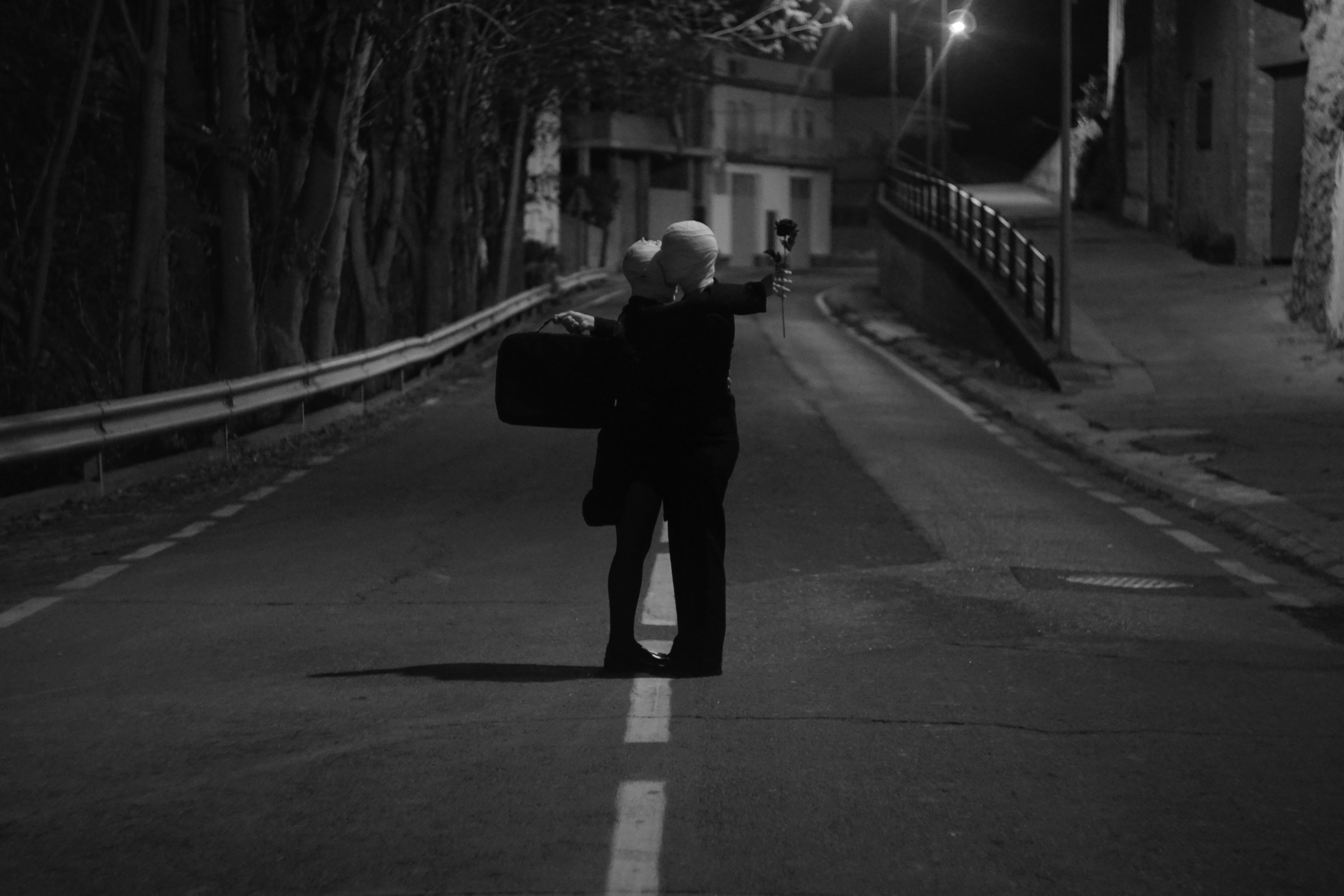
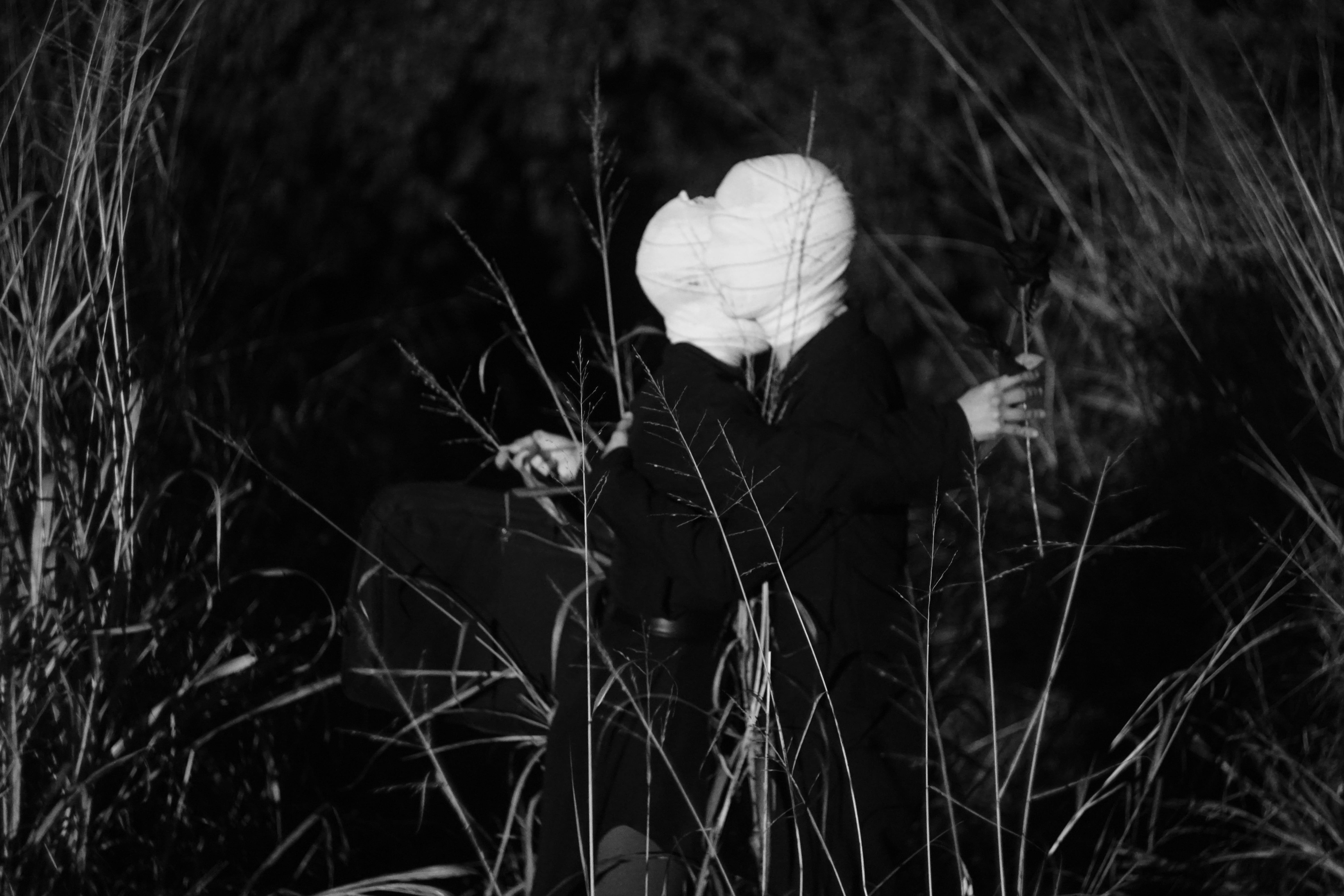
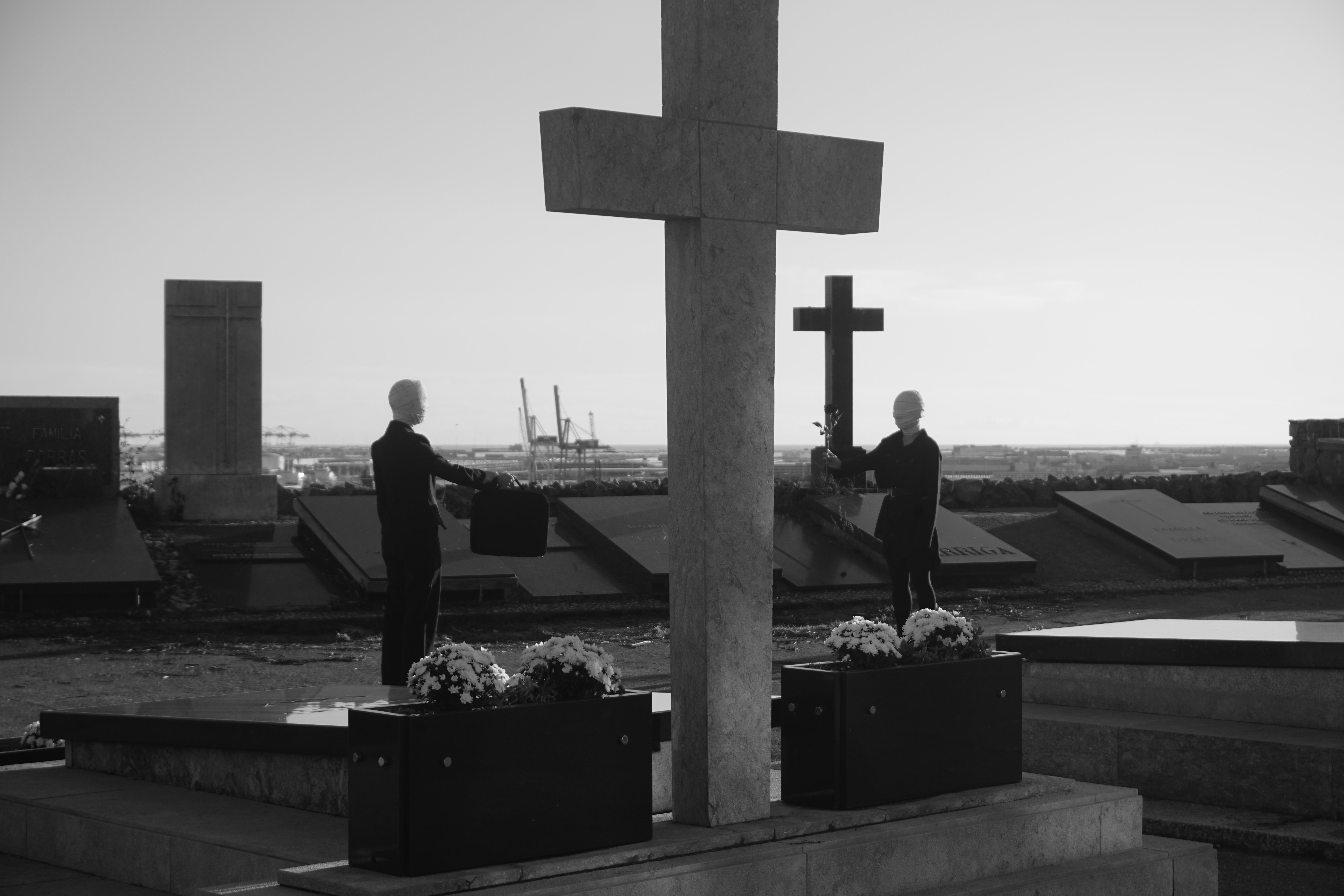
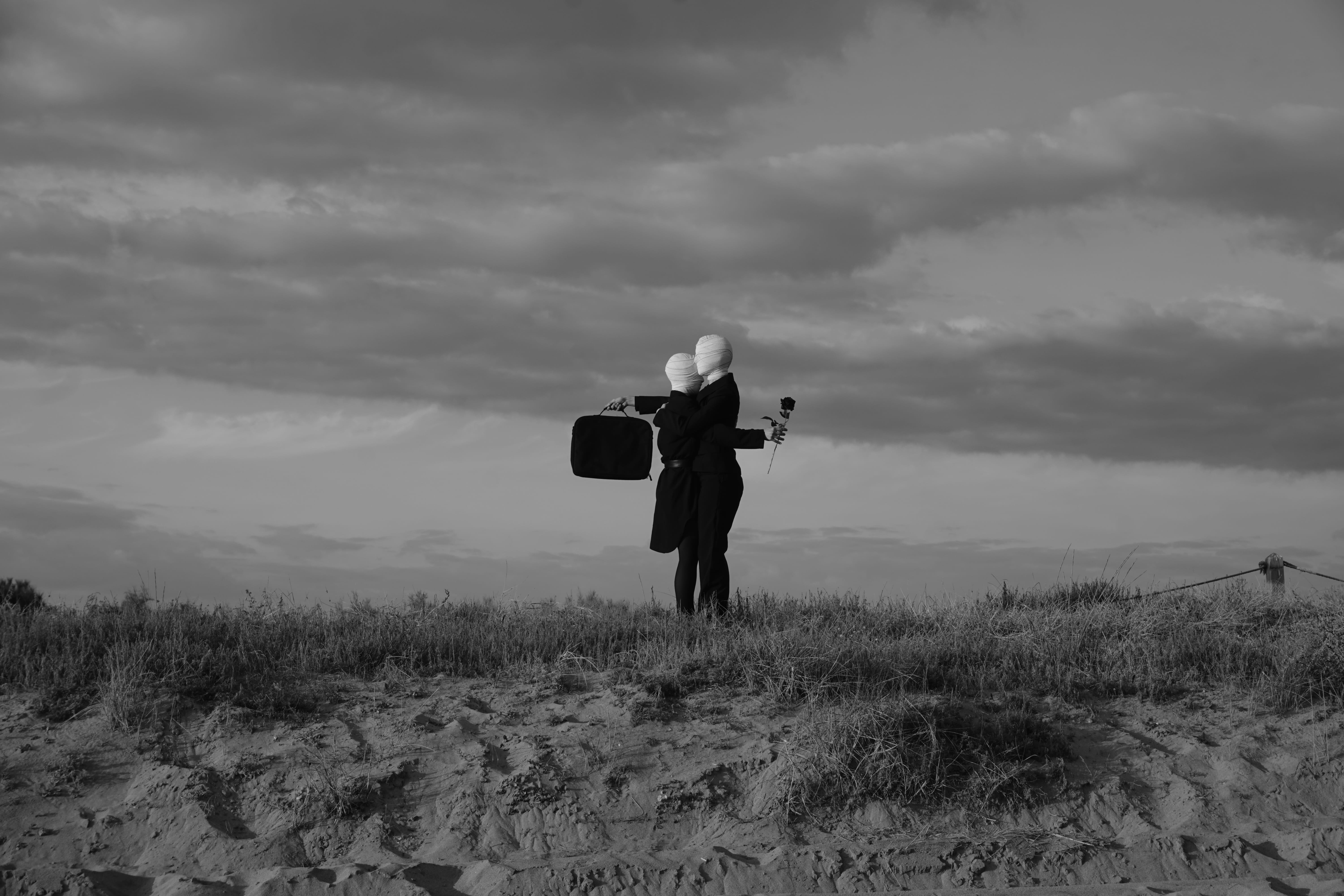
Again and again they approach one another, exchange something, hesitate or withdraw. There is the suggestion of a story, yet AULIAK deliberately denies us enough information to turn it into a conventional narrative. Who these figures are, where they are going and what exactly passes between them remain unresolved.
Two objects recur throughout the series: a rose and a case. Their repetition inevitably gives them symbolic weight, but their meaning is never fixed. Depending on the encounter, they can suggest an offering, a possession, a promise, a burden or an object of exchange. Like the gestures of the figures themselves, their significance changes through context and repetition. The viewer recognises them from one image to the next and begins instinctively to search for connections, only to discover that the series continually resists a definitive reading.
This tension between recognition and uncertainty is central to Entegonia. AULIAK describes the images as moments of movement held in suspension, and the influence of choreography is particularly evident here. His figures rarely appear simply to be posing. Instead, they seem to have been interrupted in the middle of an action: something has just happened, or is about to happen, the viewer cannot know what it is, leaving room for imagination.
The masks intensify this ambiguity. By concealing the faces, AULIAK strips away many of the visual cues through which we habitually interpret another person. Attention shifts towards posture and proximity. Who moves towards whom? Who turns away? The body becomes a remarkably articulate instrument once the face can no longer provide an explanation.
The landscapes are equally important, although they never quite establish a conventional sense of place. AULIAK selects locations for their atmosphere rather than their narrative specificity, allowing the figures to inhabit environments that feel real without anchoring the encounters to a particular story. The resulting images have something of a fable about them: two anonymous protagonists moving through changing spaces, repeating variations of an encounter whose rules remain tantalisingly unclear.
Behind this apparent simplicity is a carefully controlled process. AULIAK works with real bodies in physical locations, staging each situation through precise positioning and timing until he reaches the point where control begins to coexist with instability. This is where his experience of choreography becomes particularly relevant. The photograph is not simply the record of a movement but the result of constructing relationships between bodies, objects and space.
Black and white further reduces the images to their essential elements. Without colour competing for attention, contrasts become stronger and gestures more pronounced. Bodies, clothing, objects and landscapes operate almost as graphic forms, while the visual consistency connects locations that might otherwise appear unrelated. The reduction also contributes to the sense that Entegonia occupies a space outside ordinary time.
What AULIAK values most in the project is precisely its refusal to resolve the tension it creates. Connection is repeatedly attempted but never guaranteed. Small alterations in distance or gesture are enough to change the emotional character of an encounter, demonstrating how little is required for a relationship between two bodies to shift from intimacy to uncertainty, from invitation to withdrawal.
There is a peculiar quietness to these photographs. They do not explain themselves, and they do not hurry towards a conclusion. Instead, they ask us to remain with an unfinished action and pay attention to what happens in the interval. This reflects AULIAK’s broader relationship with art: an interest in experiences in which meaning is felt before it is understood, and where a gesture, a pause or a relationship between forms can acquire significance simply because we have been given the time to notice it.
For AULIAK, the creative process does not always begin with knowing exactly where an image will lead. Sometimes the photograph unfolds and finds its form in the moment of making it: the path remains uncertain, while the sense of what is being sought stays clear. The series offers no final explanation of what its encounters mean. Its strength lies elsewhere: in the searching itself, and in that carefully maintained moment between approaching and leaving, offering and withholding, movement and stillness.
All photos © AULIAK
To see more of his photography visit Auliak´s Website.

