
CARMELO MICIELI
// Some photographers return to the same landscape because it is familiar. For Sicilian photographer Carmelo Micieli, the landscape is an inexhaustible conversation. Born in 1958 in Rosolini, he first picked up a camera at the age of twelve, photographing the marine and agricultural landscapes of southeastern Sicily that continue to shape his artistic vision today.
Although he later studied the arts and earned a degree in architecture from Sapienza University in Rome, photography has remained his primary means of exploring the relationship between nature, culture, and memory. Working across conceptual landscape photography, urban exploration, and anthropological narratives, his images have been featured by Vogue Italia, National Geographic, and exhibited internationally. For Carmelo, photography is not about documenting a place but interpreting it.
The landscapes of Sicily are less subjects than emotional territories, carrying traces of centuries of human presence while inviting moments of contemplation. His previous feature in Spectaculum Magazine, dedicated to the dramatic black-and-white landscapes of Mount Etna, demonstrated this through bold tonal contrasts and powerful geological forms. His new series, Elegies of the Sea, reveals an entirely different visual language.
“Life is what we make of it. Travel is the traveler. What we see isn’t what we see but what we are.”
Fernando Pessoa
(The Book of Disquiet)
What draws you to the arts?
My passion for art in all its forms, expressions, and interpretations is the purest way I know to appreciate the beauty of all things.
What did you like best about this photography project?
This project was born out of my lifelong passion for the sea and for seascapes in general. But the driving force behind this portfolio is my deep admiration for nineteenth-century European painting, particularly the work of the Italian painter Antonio Fontanesi, whose art inspires and informs my photography. It has become my own way of interpreting the landscape through a personal artistic vision.
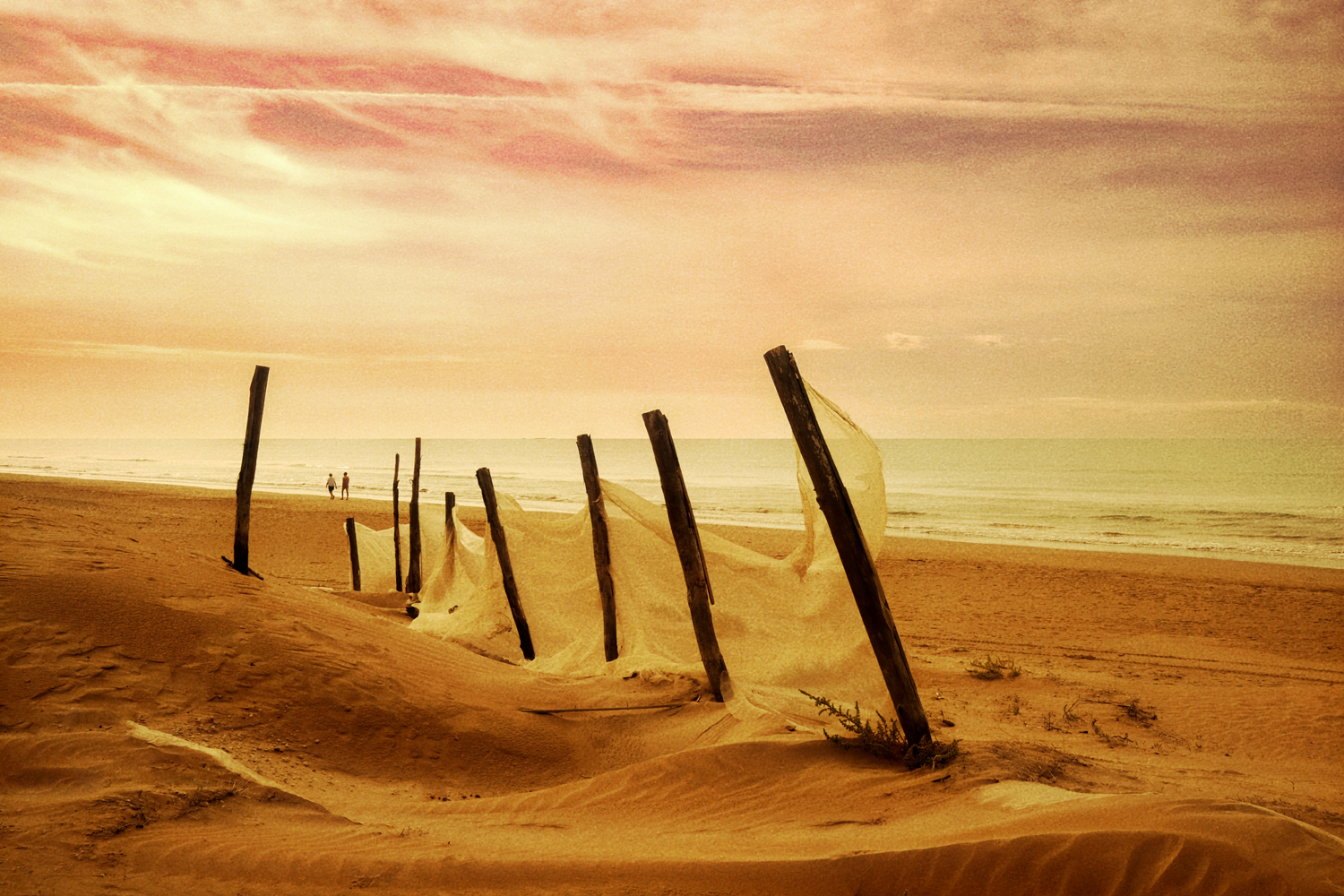
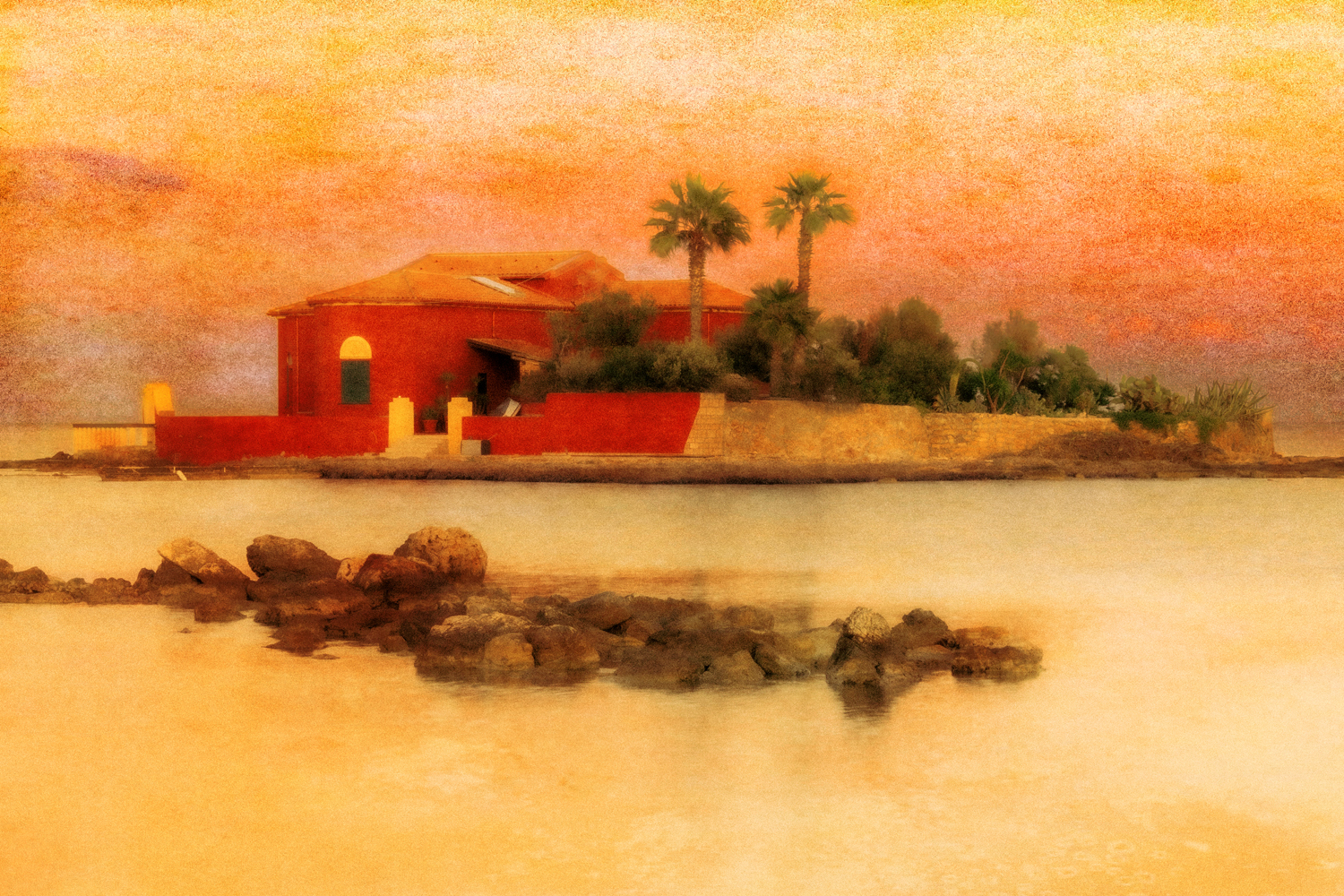
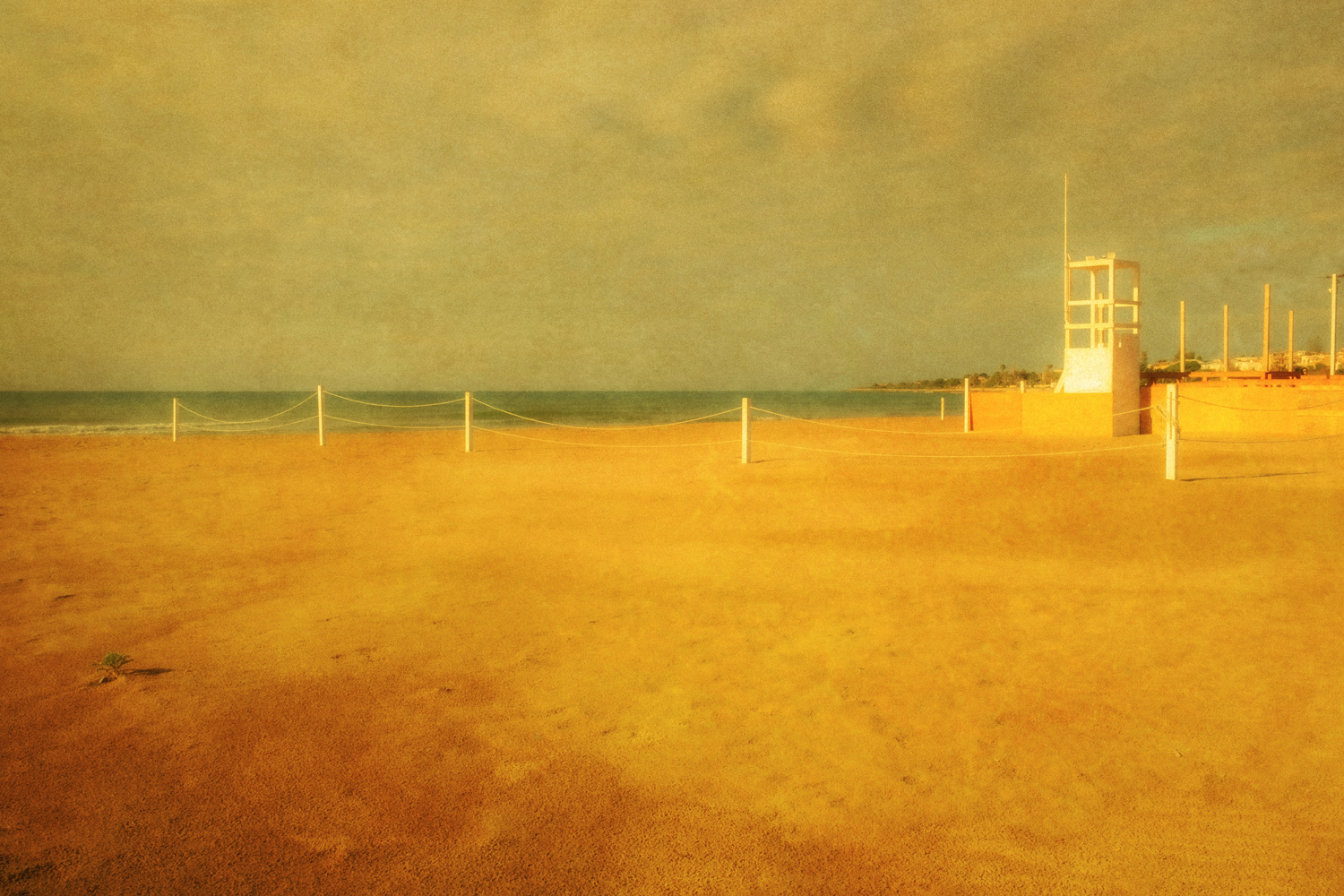
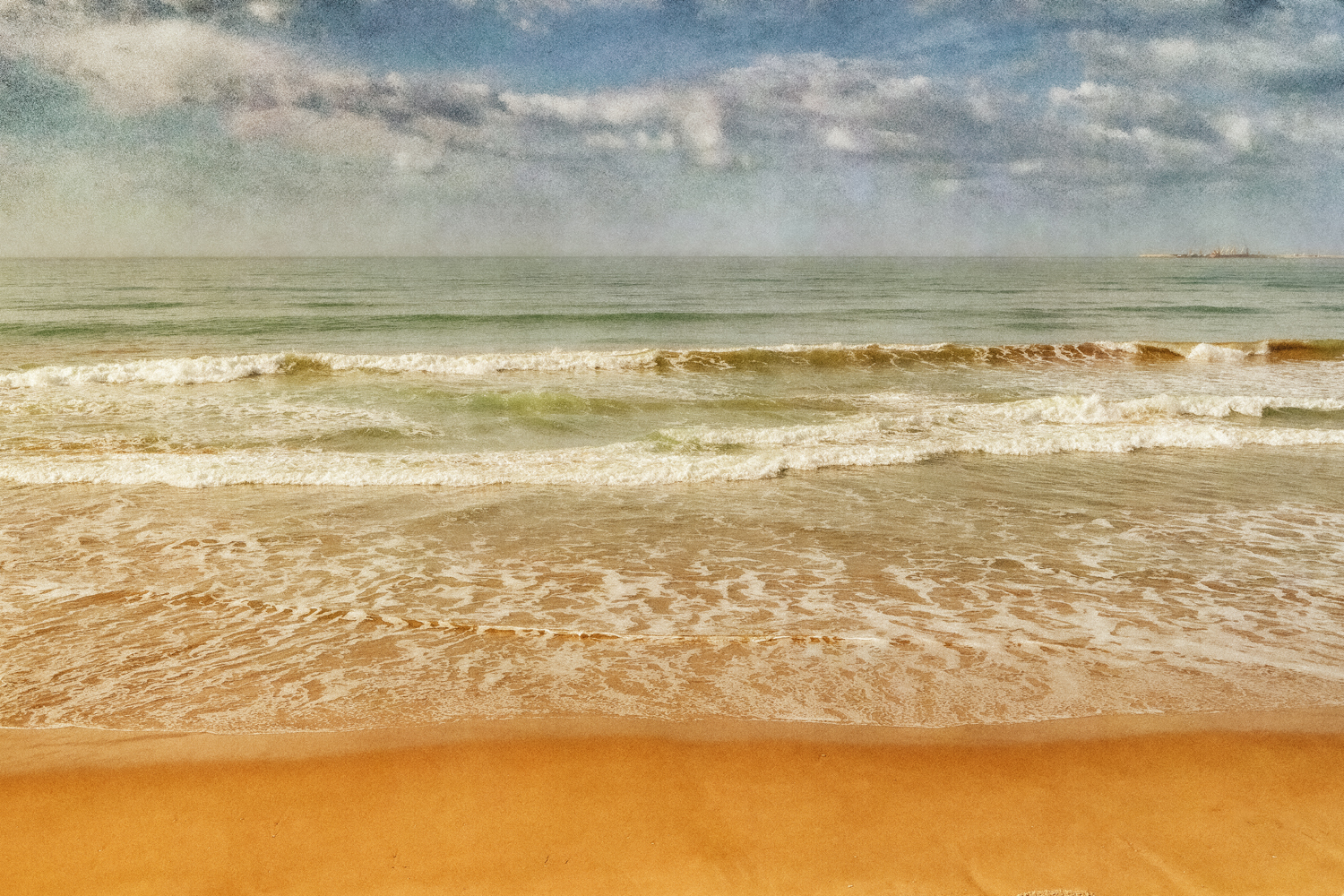
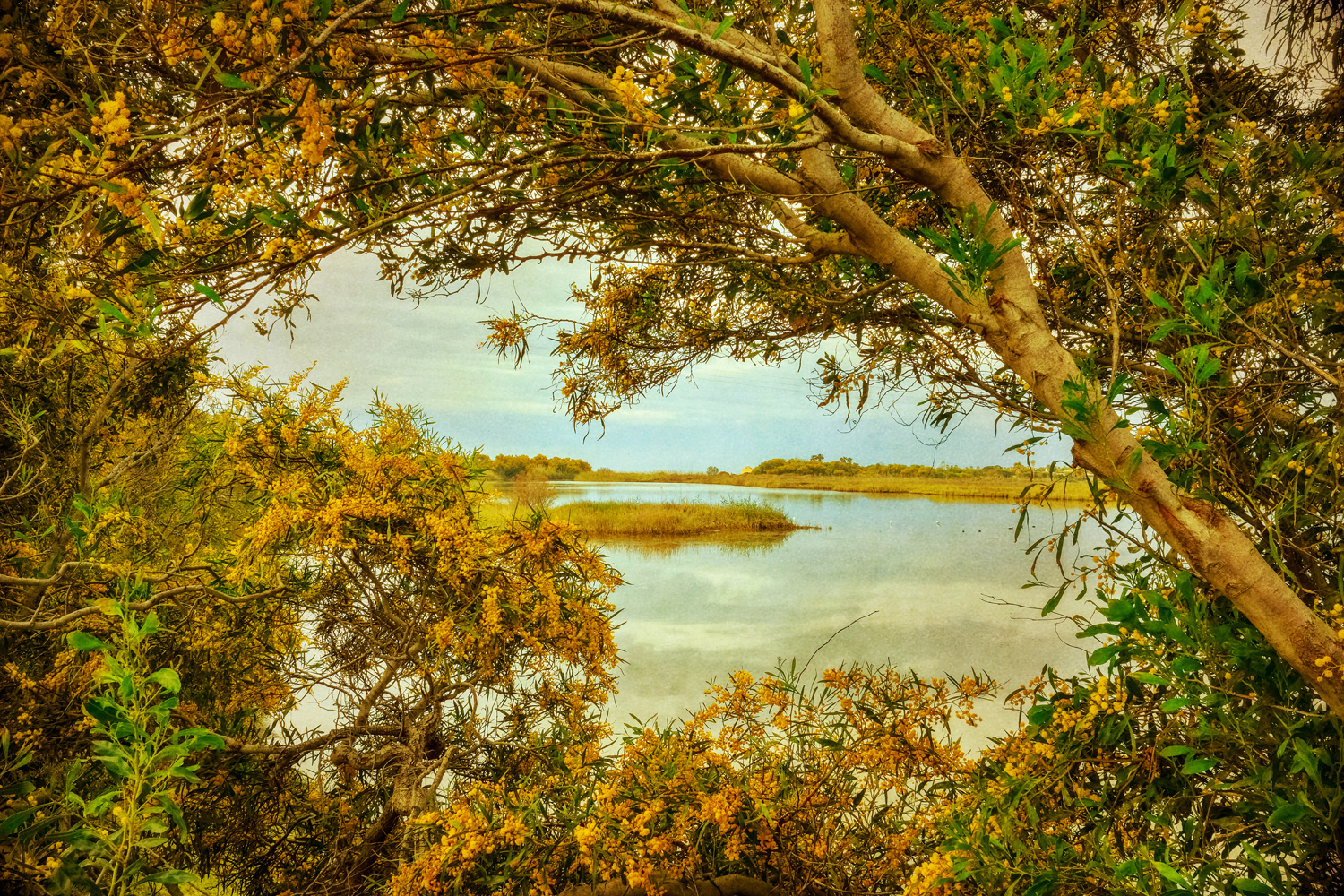
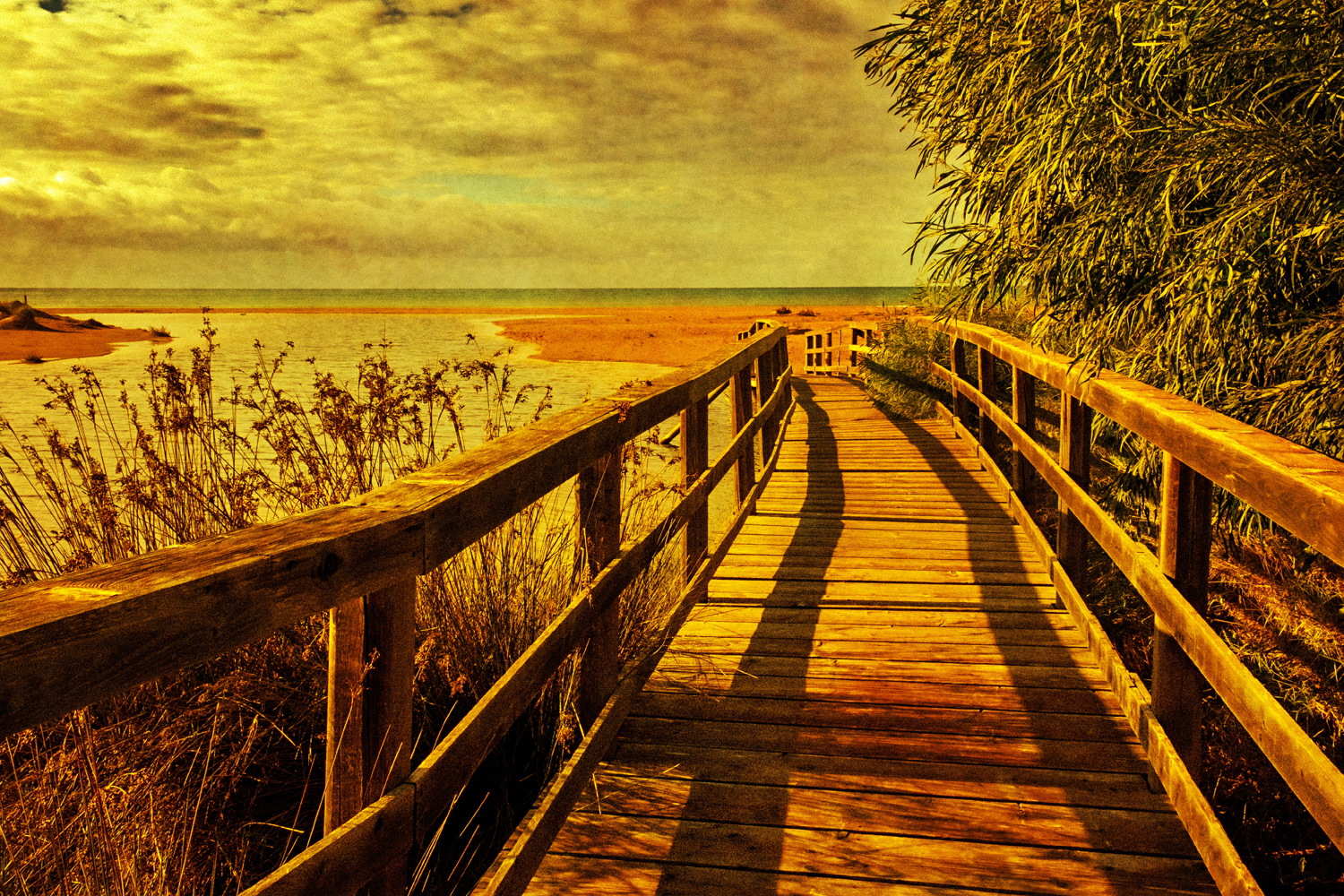
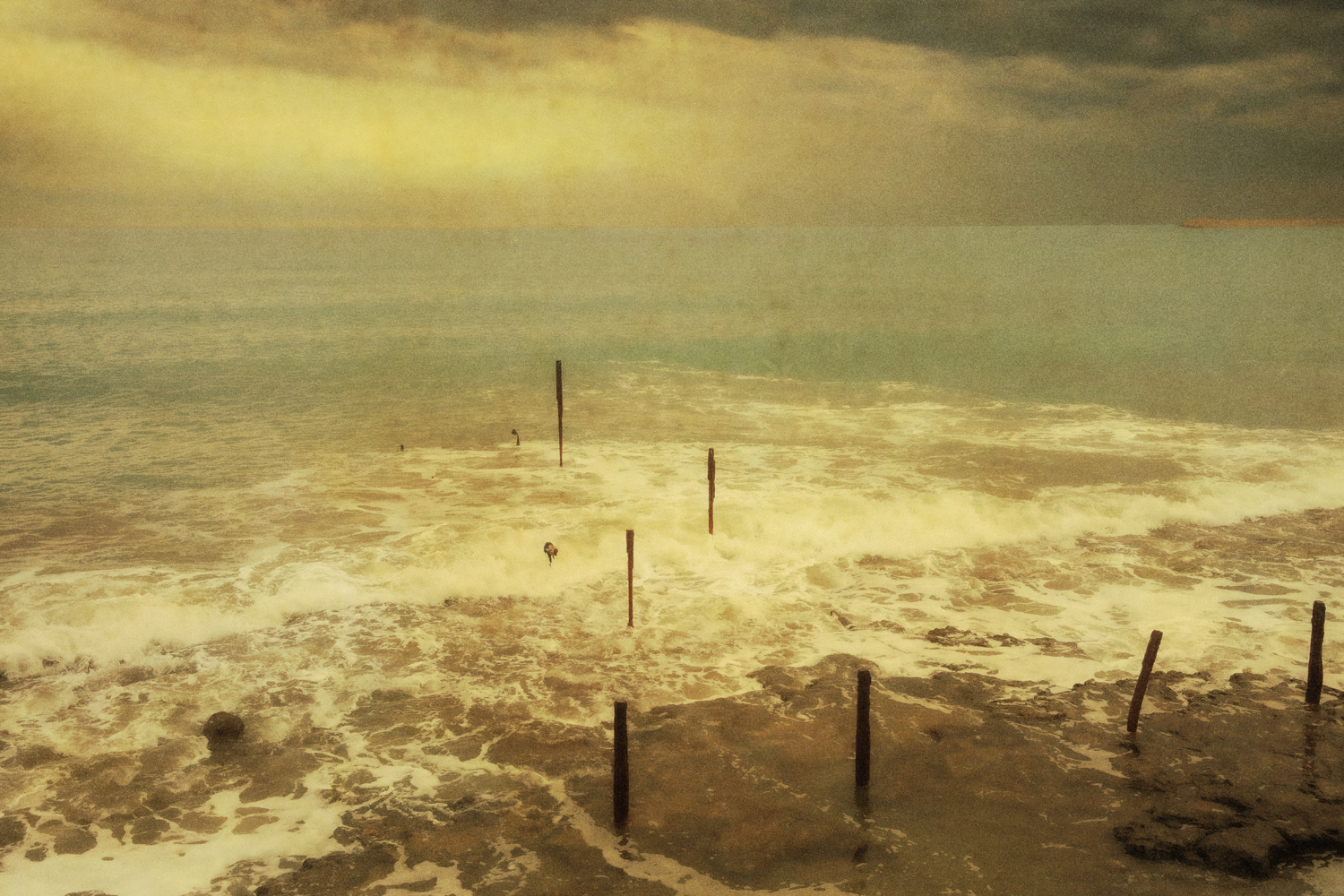
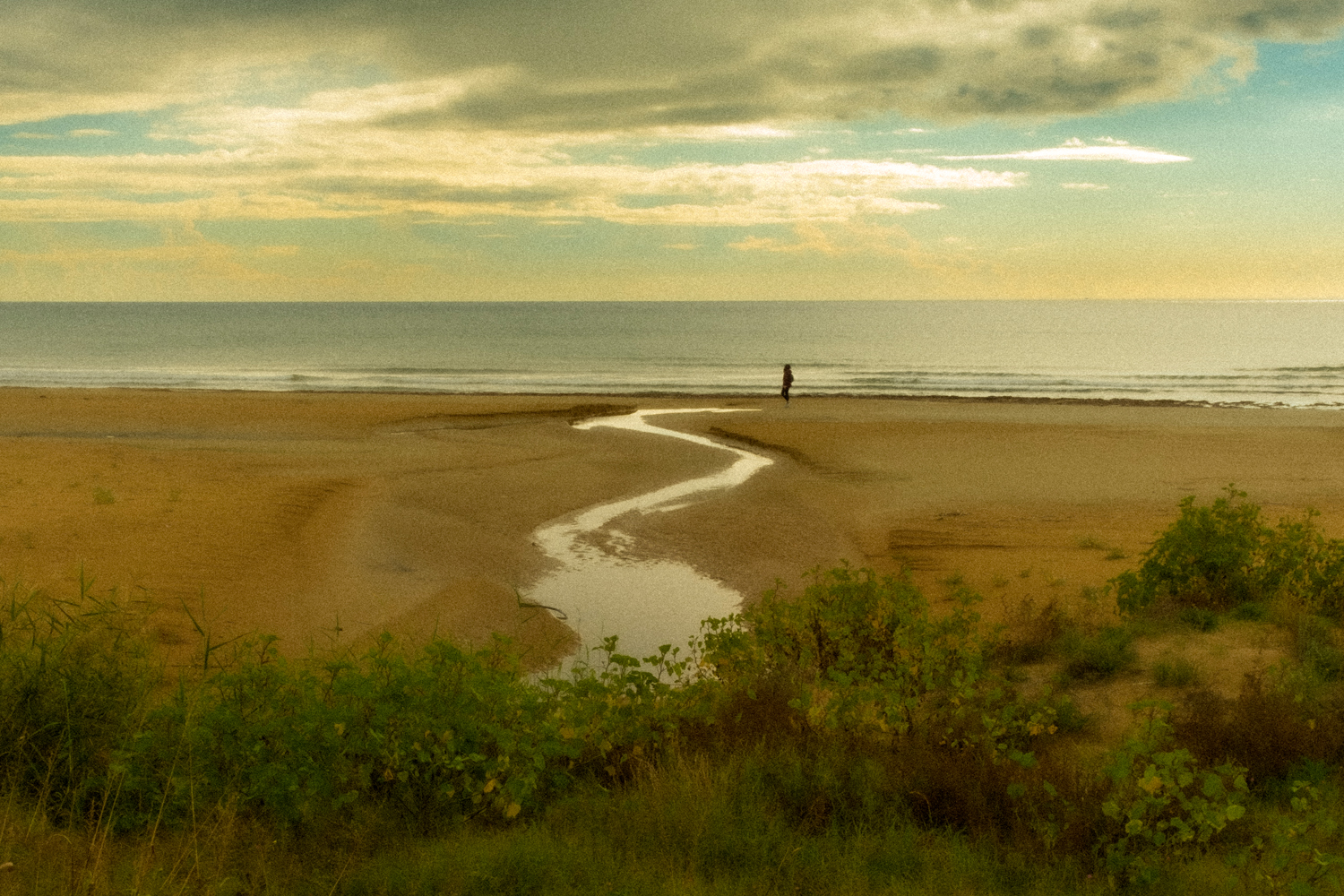
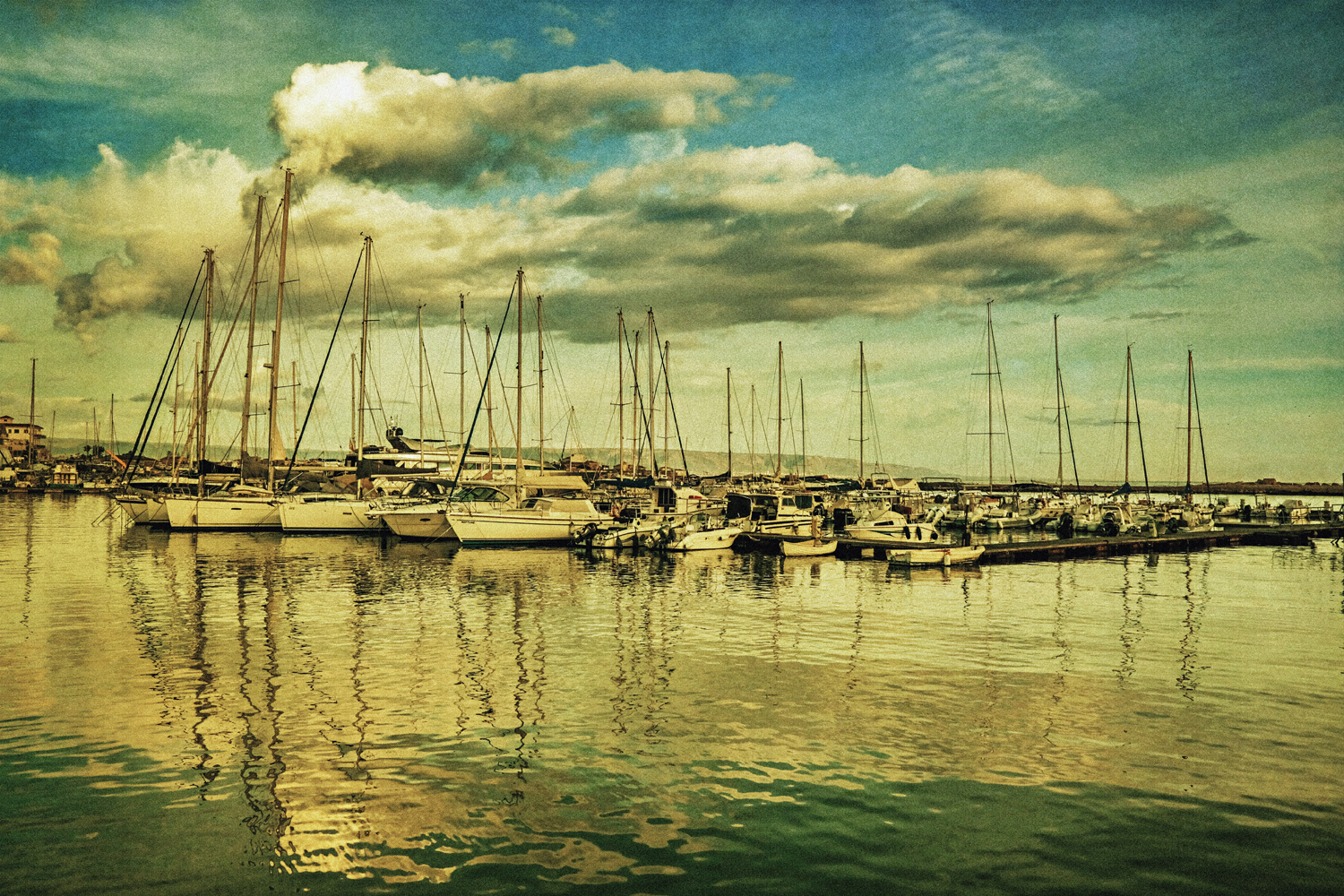
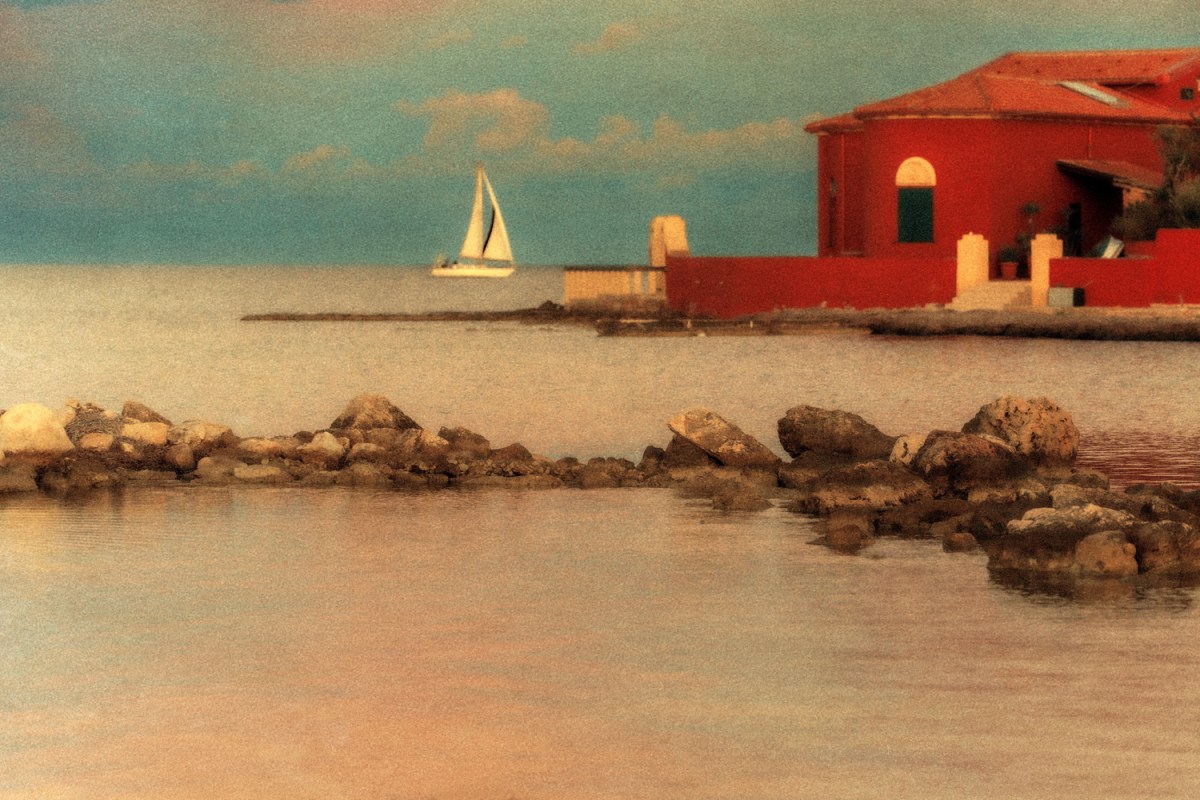
Inspired by the nineteenth-century Italian Romantic painter Antonio Fontanesi, whose work stood alongside masters such as J.M.W. Turner, Caspar David Friedrich, Ivan Aivazovsky, and John Constable, Carmelo approaches the sea not simply as a geographical setting but as an emotional and spiritual landscape. Rather than recreating Romantic painting, he translates its ideas into a contemporary photographic vocabulary.
At first glance, these images seem almost like paintings. The familiar coastline of Sicily dissolves into luminous expanses of golden beaches, glowing skies, tranquil harbours, and calm waters that appear suspended between reality and imagination. The colours are pushed far beyond naturalism. Warm ochres, fiery ambers, muted turquoise seas, and soft green skies create an atmosphere that feels simultaneously nostalgic and dreamlike. The sea is no longer simply observed; it is reimagined, and emotionally reconstructed.
Unlike the stark monochrome contrasts that defined his Etna series, here colour becomes the principal narrative device. It is not used descriptively but to shape the emotional character of each landscape. Light softens edges, dissolves detail, and transforms ordinary coastal scenes into spaces of quiet introspection. Horizons stretch across the compositions, while carefully balanced foregrounds and vast skies echo the compositional language of nineteenth-century landscape painting.
There is a remarkable stillness running through the series. Human presence is minimal, only hinted at through distant solitary figures, boardwalks, boats, and coastal buildings. The landscapes feel inhabited yet strangely timeless. Even where dramatic weather gathers or waves crash against the shore, the photographs maintain a lyrical calm, encouraging viewers to linger within the image, perhaps to dream of being present in such a place.
Carmelo´s deep affection for the sea is evident throughout the project, but equally clear is his admiration for European Romantic art. Elegies of the Sea becomes a dialogue across centuries, allowing photography to borrow not the appearance of painting, but its emotional ambition. Like Fontanesi before him, Carmelo is interested less in recording the visible world than in revealing the inner landscape it evokes.
Fernando Pessoa once wrote, “Life is what we make of it. Travels are the travellers. What we see is not what we see, but what we are.” That thought resonates in this series. These are not simply photographs of the Sicilian coast. They are meditations on atmosphere and the dialogue between landscape and the person who stands before it. In Elegies of the Sea, the coastline becomes less a destination than a state of mind.
All photos © CARMELO MICIELI
To see more of his photography visit Carmelo´s Instagram page.

