

SAKSHI SADASHIV
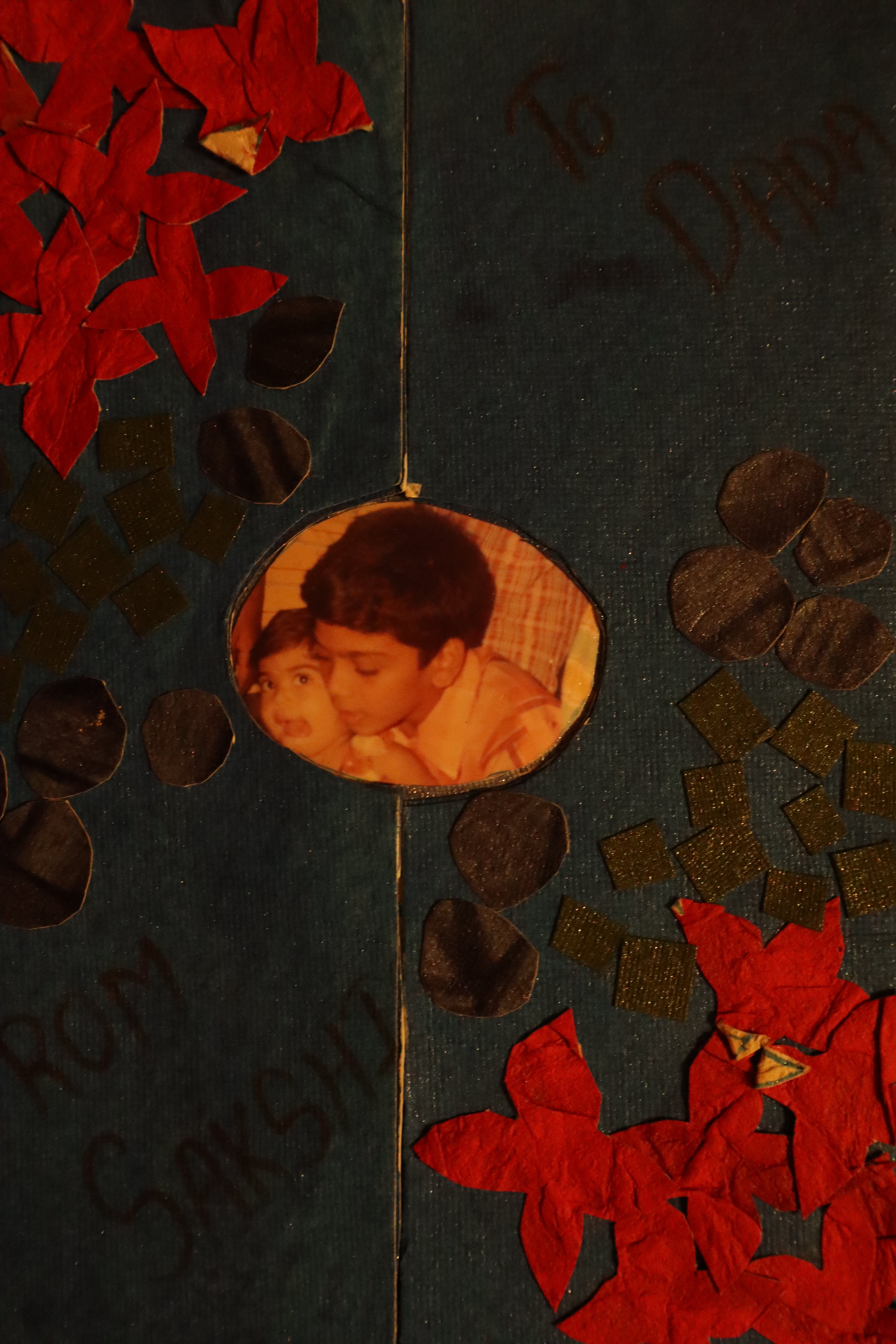
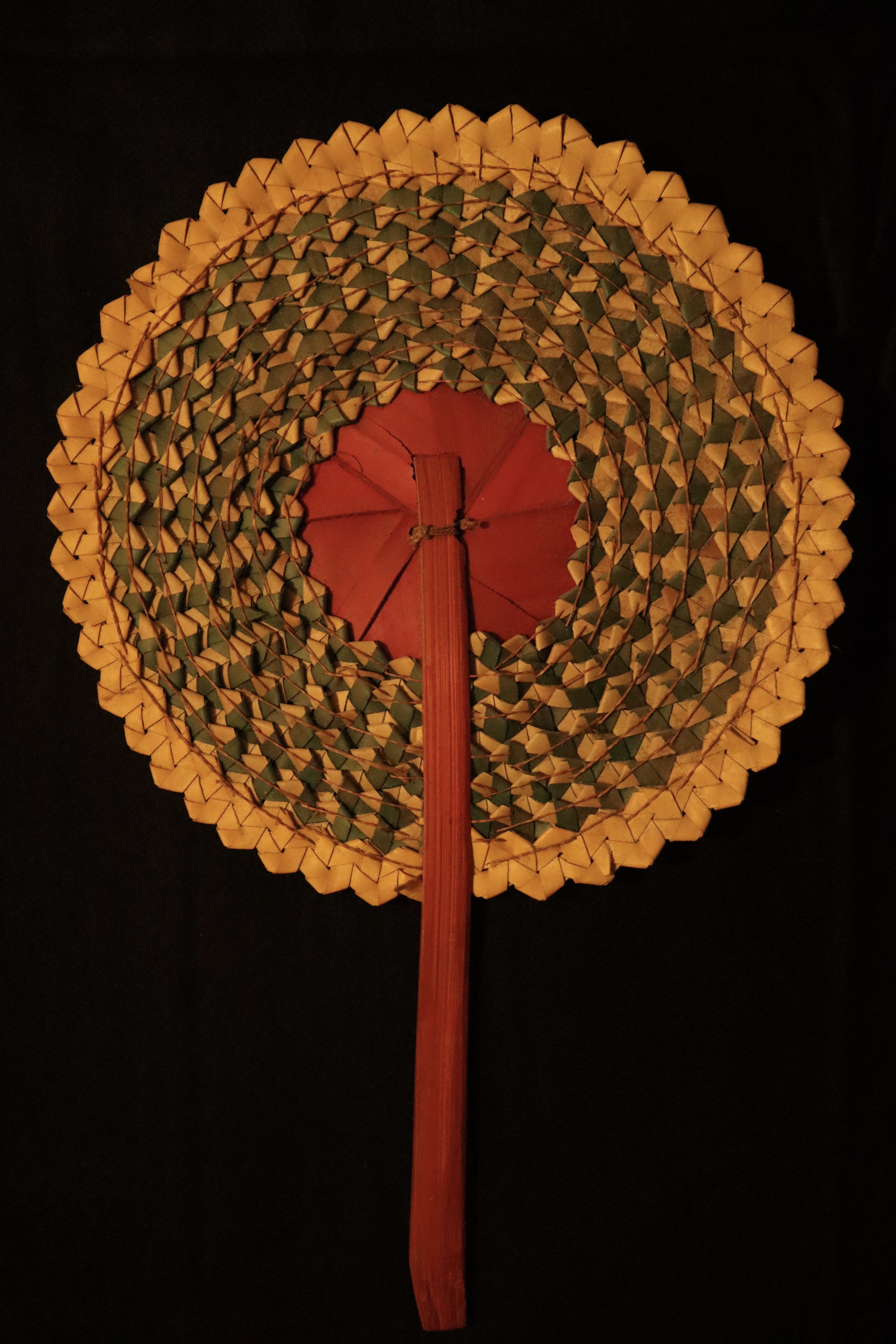
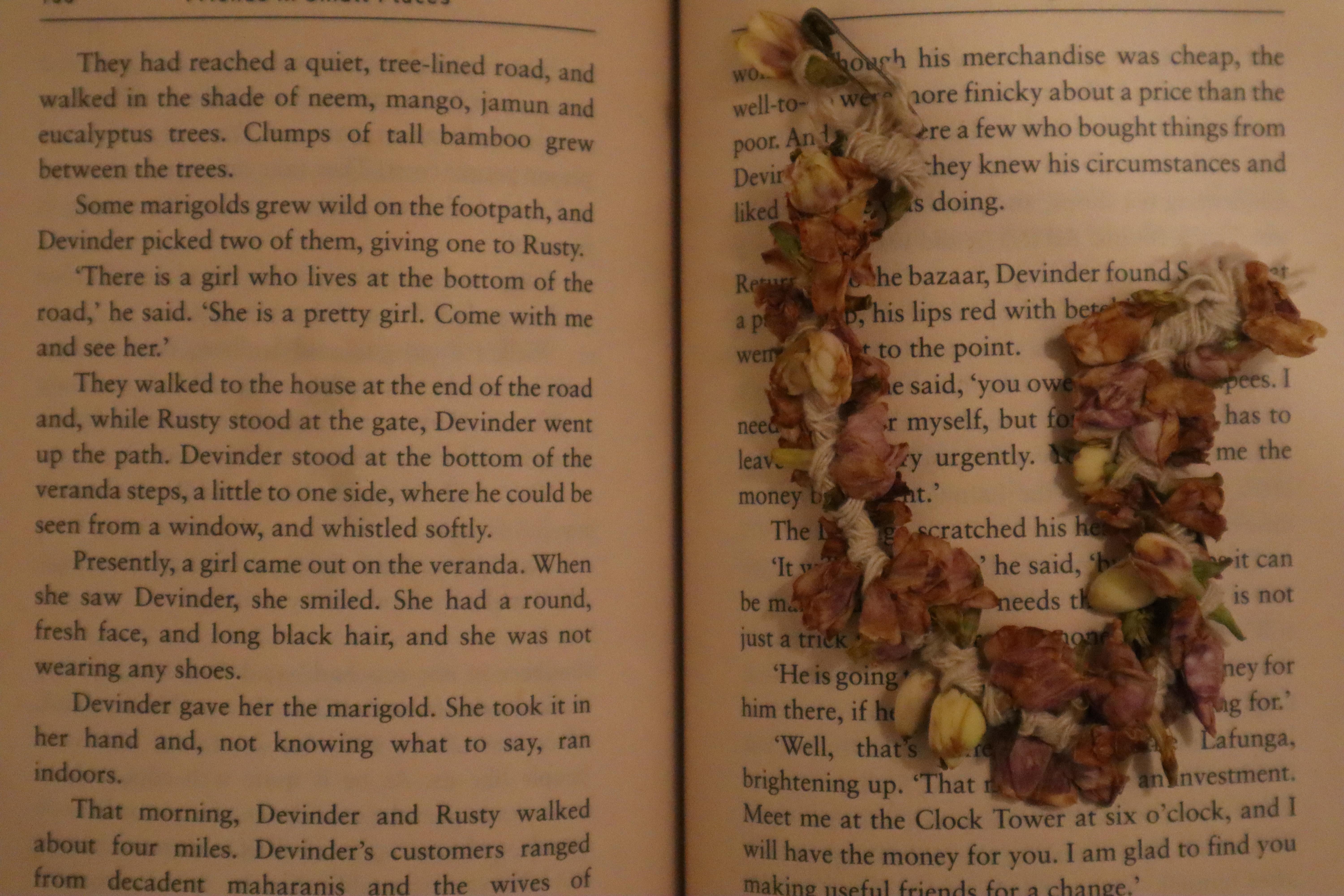
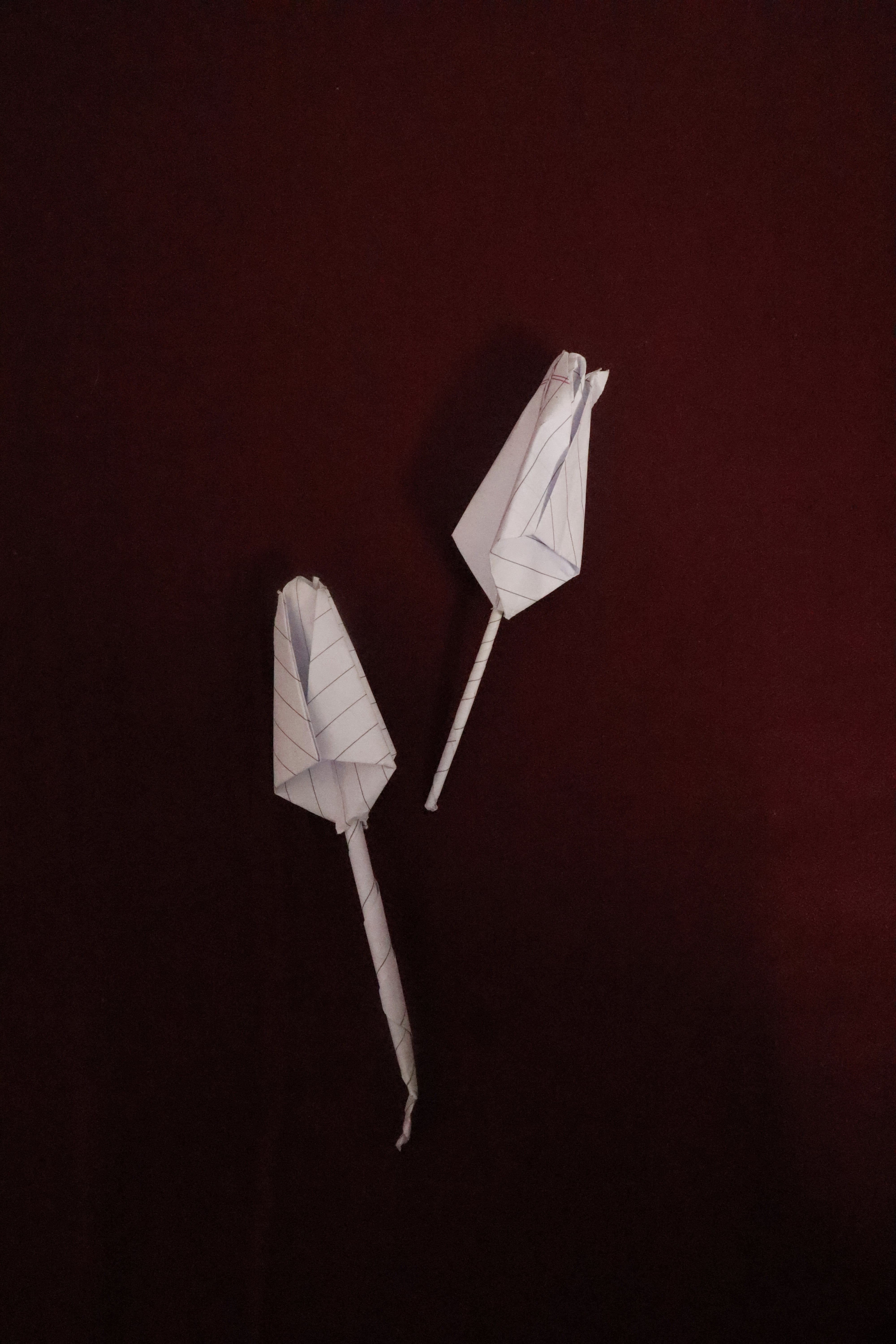
//Sakshi is based in Delhi, India, where she is currently pursuing a journalism course from Jamia Millia Islamia. She combines her passion for photography with her journalism through creative projects that go beyond the documentary. We present a set from her conceptual still-life series about objects of remembrance.
“In my studies I cover gender, culture, crime and art. As a hobby I swim, collect empty glass bottles and sew old torn clothes shabbily. I started photographing in my late teens simply to document myself and the things and people around me. I liked to call it “drafts of being”. I do not seem to recall when this transition from mere documentation to a sculpted structure that moulded journalism and photography together happened, but I am glad it did, as it lets me experiment with all forms of creativity. After all, mundanity instigates creativity,” says Sakshi.
“our art has evolved over the years of its own volition, out of our own balls and brains.”
S. H. Raza
What draws you to the arts?
“Mundanity draws me to art. I engage in art through slow mornings, mundanity in everyday life, warmth of cups of chai and warmer people.”
What do you like most about this conceptual photo series?
“What I find the most intimate about this project is that it tells the stories of people so dear and near to me. It tries to convey the transcending nature of objects and materialism.”
In his book The Principles of Psychology, William James (1890) argues that the human self is partly constituted by objects and other people. He writes: “A man’s self is the sum of all that he can call his, not only his body and his psychic powers, but his clothes and his house, his wife and children, his ancestors and friends, his reputation and works, his lands, and yacht and bank account. All these things give him the same emotions. If they wax and prosper, he feels triumphant; if they dwindle and die away, he feels cast down, not necessarily in the same degree for each thing, but in much the same way for all.” (p. 291-292) Richard Heersmink in his essay The narrative self, distributed memory, and evocative objects (2018) argues that artifacts often afford people continuity for their personal identities by providing a stable ecology of memory cues in their environment. Personal objects such as souvenirs, clothing, furniture, CDs, books, letters, works of art and numerous other objects are often connected to specific personal experiences or specific episodes from one’s past. Sherry Turkle refers to such objects as evocative objects, which she writes, as typically “experienced as part of the self, and for that reason have a special status” (2007, p. 7)
This relates to Sakshi´s photo project. “Through this photo essay, I outline various ways in which artifacts are interwoven in our core memory’s web and how these objects trigger and sometimes constitute emotionally laden autobiographical memories. This is so because we have a strong human need for coherence for our temporal existence. Narratives provide this coherence, sculpted structurally through objects. As Khaled Hosseini says in his book Kite Runner (2003), “Time can be a greedy thing, sometimes it steals the details for itself”. Certain objects hold deep significance beyond their material value. I intended to document objects that invoke memories within individuals of people and spaces that they hold dear to them. Through these objects, individuals hold onto the memories that time sometimes erases.”
Images may be cropped for layout. Click on the photos to see the full images.




ALL PHOTOS © sakshi sadashiv
Visit Sakshi´s Instagram gallery for more amazing photos.
 SPECTACULUM MAGAZINE