
ANTONIO NARDO
// Italian photographer Antonio Nardo, based in Reggio Emilia, approaches photography with a curiosity that extends across genres. His work encompasses reportage, street photography, portraiture and landscape, reflecting an interest in both the human experience and the environments in which it unfolds. Antonio uses his camera to discover stories that might otherwise remain unnoticed. His photography is rooted in observation, with a particular sensitivity to atmosphere, human presence and the traces of time.
For Antonio, the appeal of art extends far beyond the photographic medium. He describes the experience of encountering a work of art as a combination of wonder at its beauty and admiration for the person who created it, something he considers nourishment for the soul.
This appreciation of artistic expression informs his own approach to photography, where the act of looking becomes a means of connecting with a subject and discovering significance in what might initially appear ordinary.
“It is an illusion that photos are made with the camera… they are made with the eye, heart and head.”
Henri Cartier-Bresson
What draws you to the arts?
When observing art, I feel a blend of awe at its beauty and admiration for those who managed to create it. This psychological reaction is food for my soul.
What do you like best about this project?
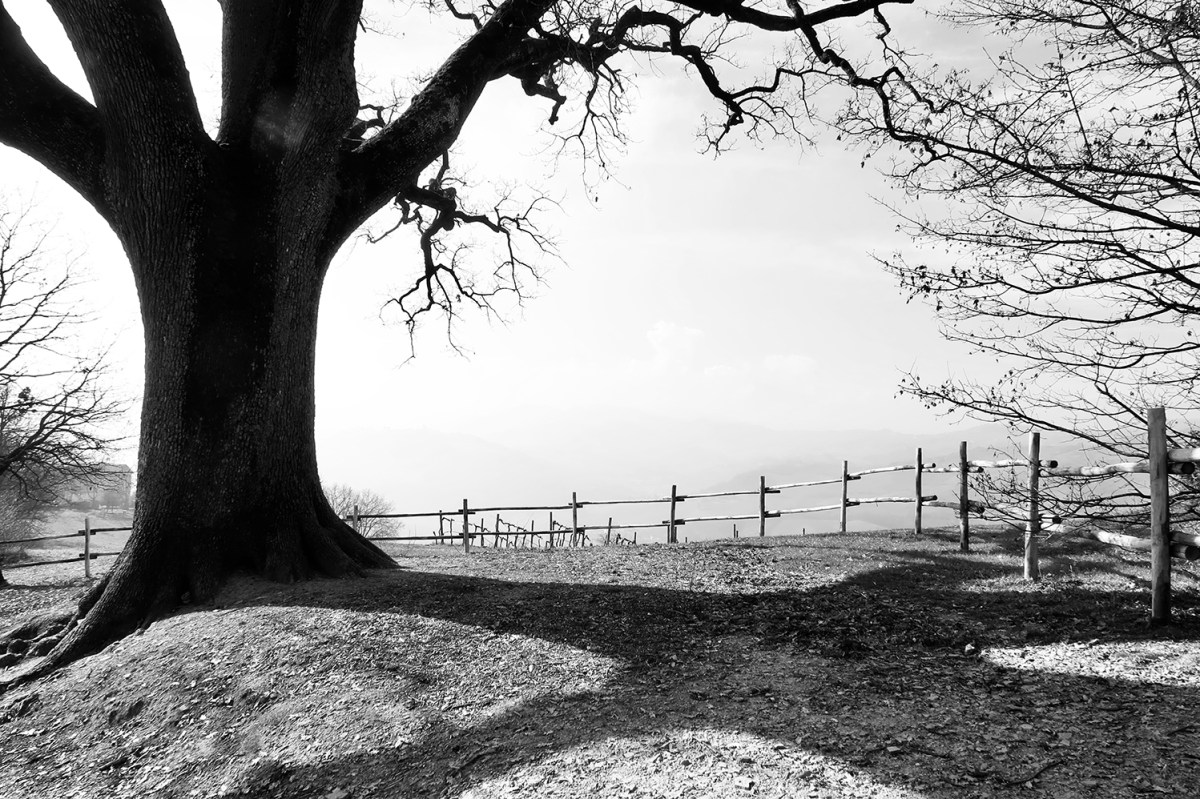
Through my images, I seek to create an imaginary bridge between the past history of this fascinating place and the present. In the intervening time, many lives have been lived, time has passed, and nature is reclaiming its space—so much so that the great oak, with its massive branches, seems to be battling the old ruins. The great oak stands as the sole witness to this vanished past.
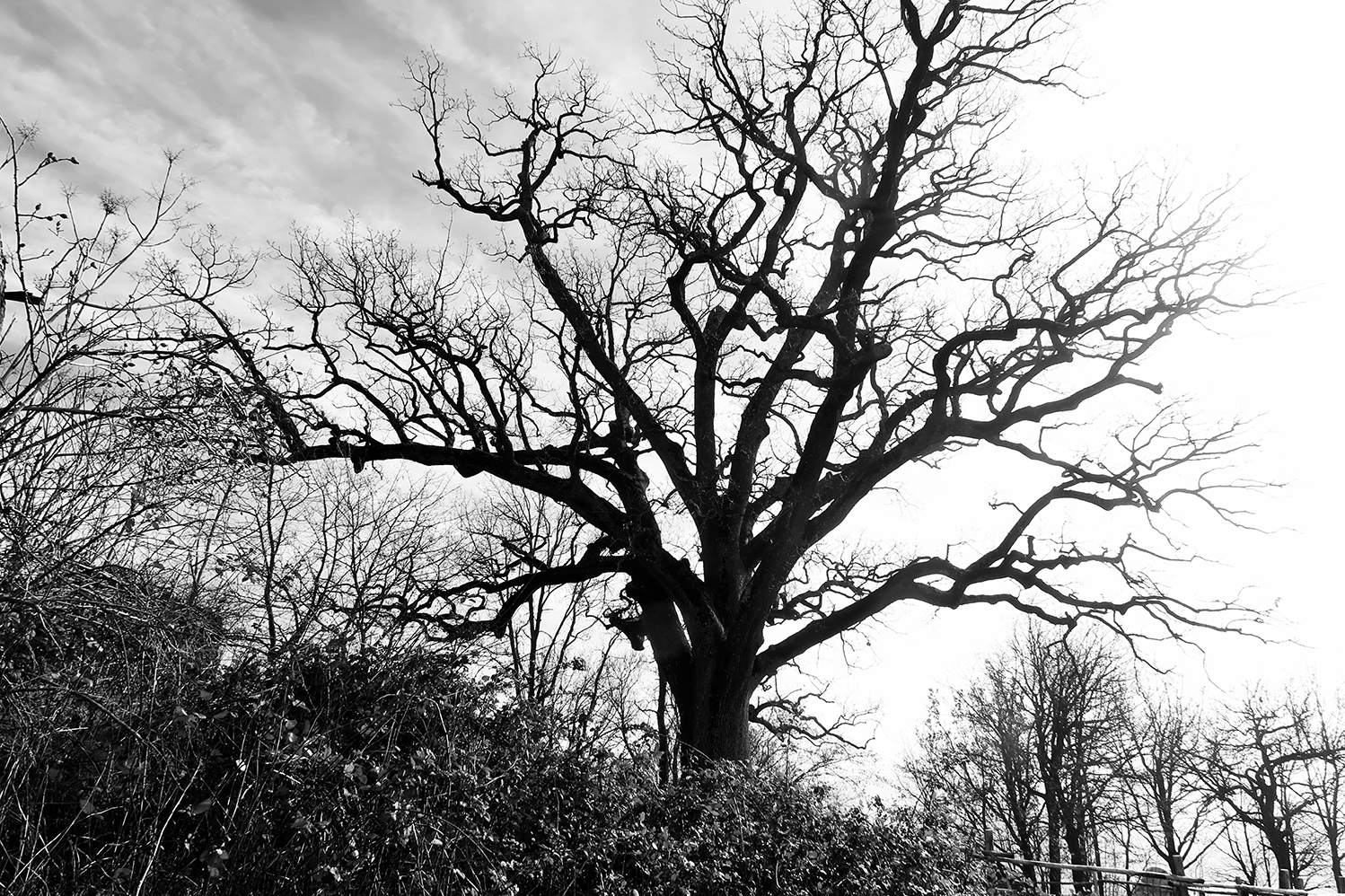
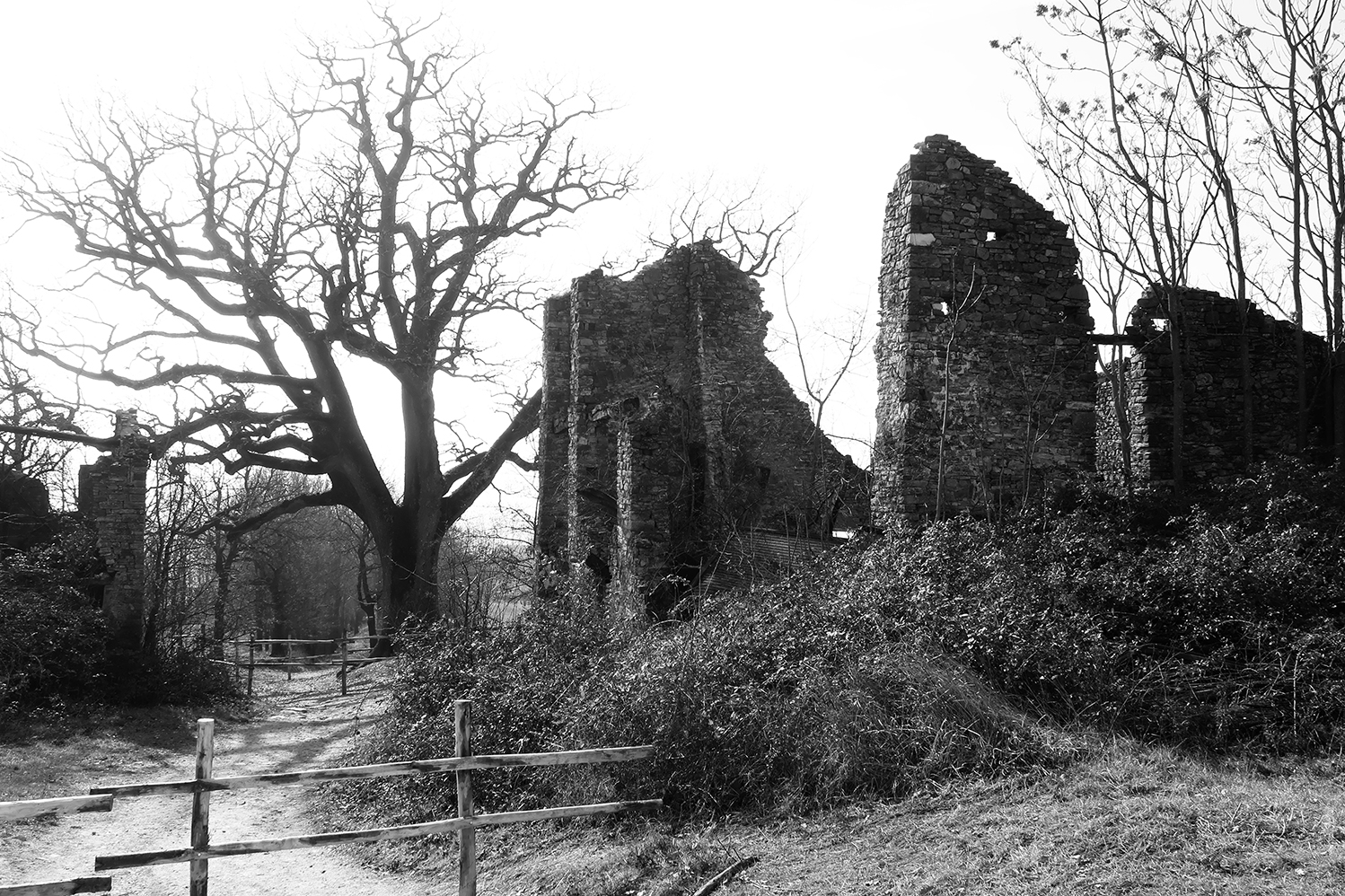
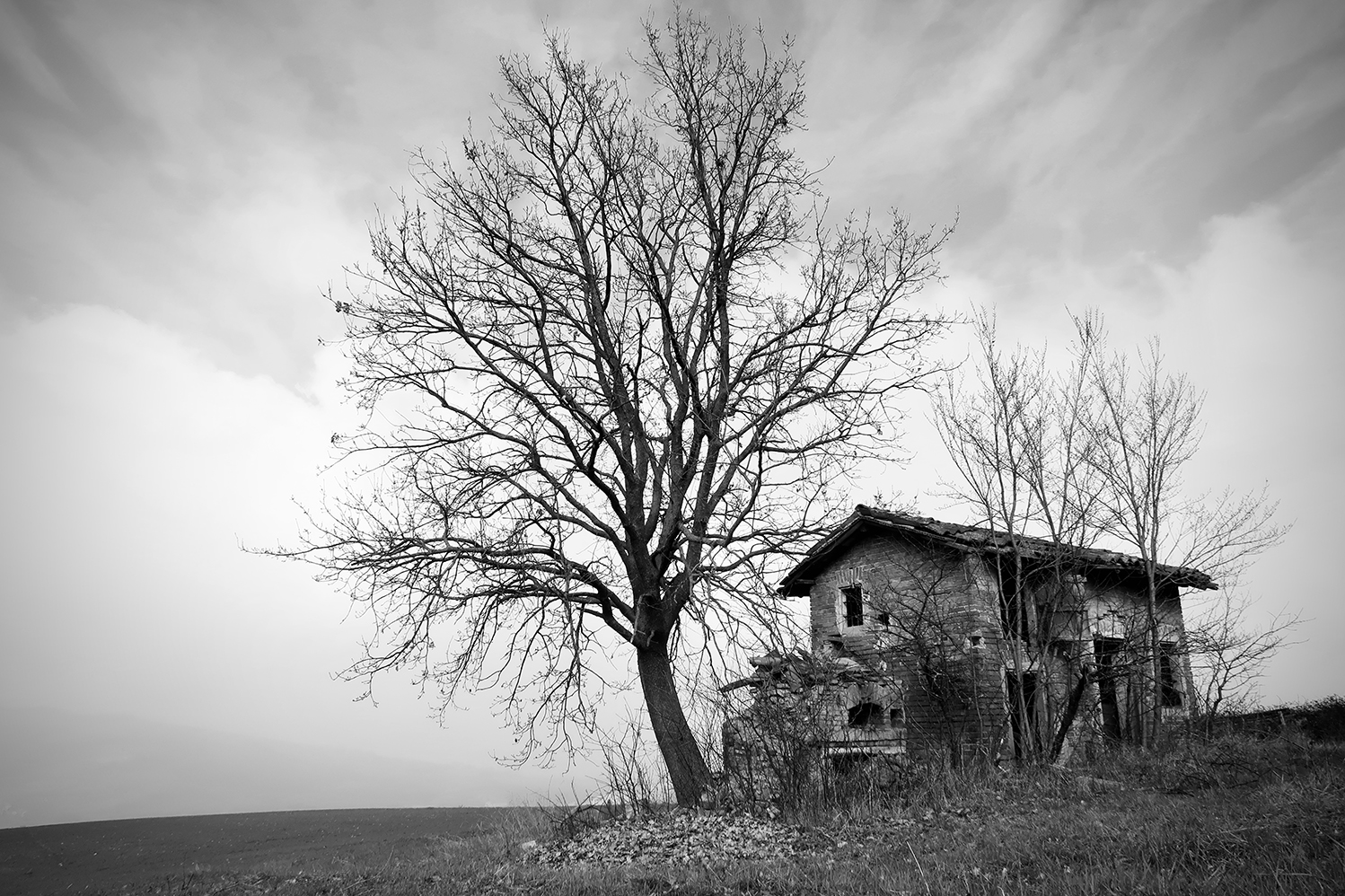
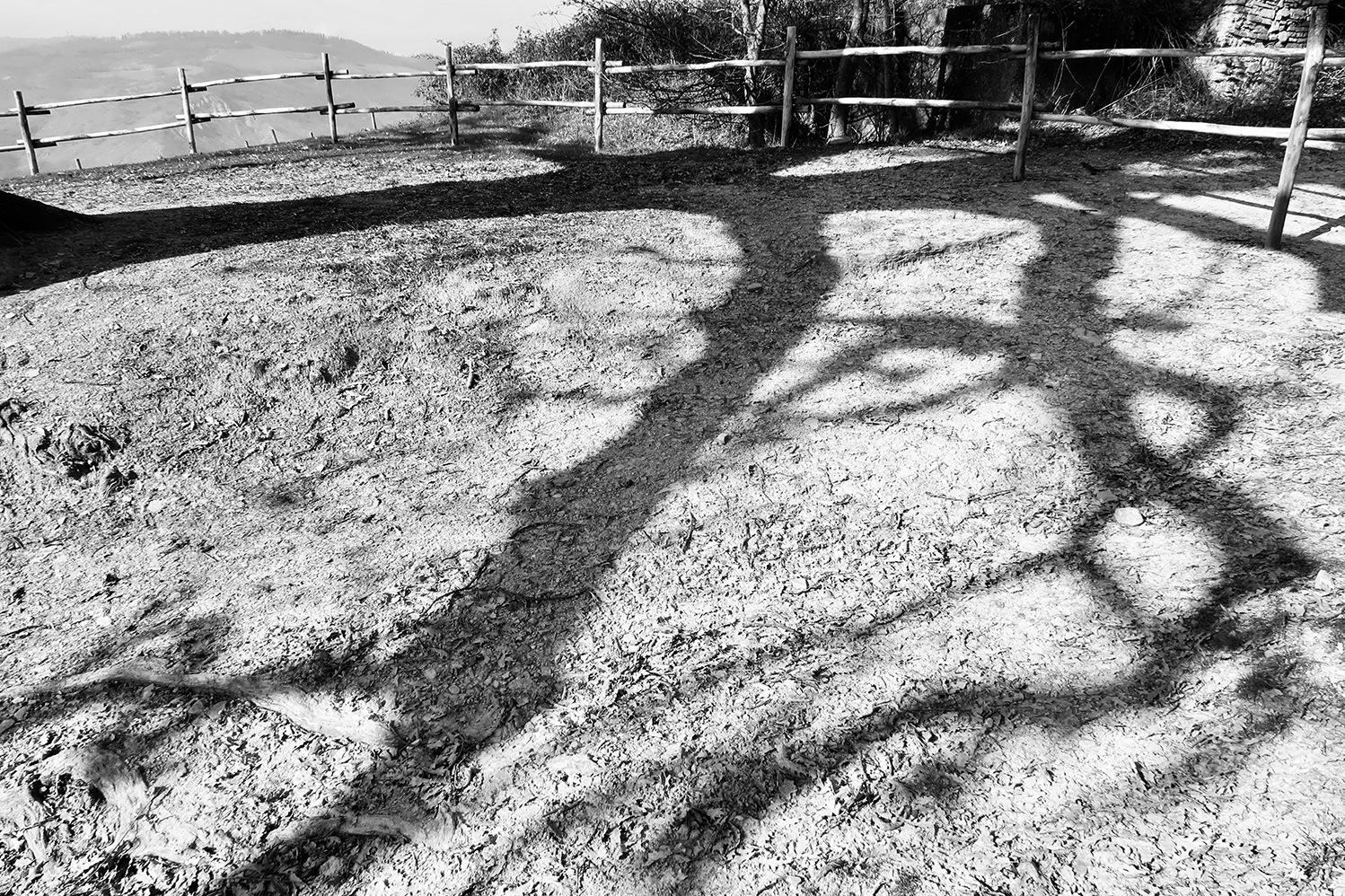
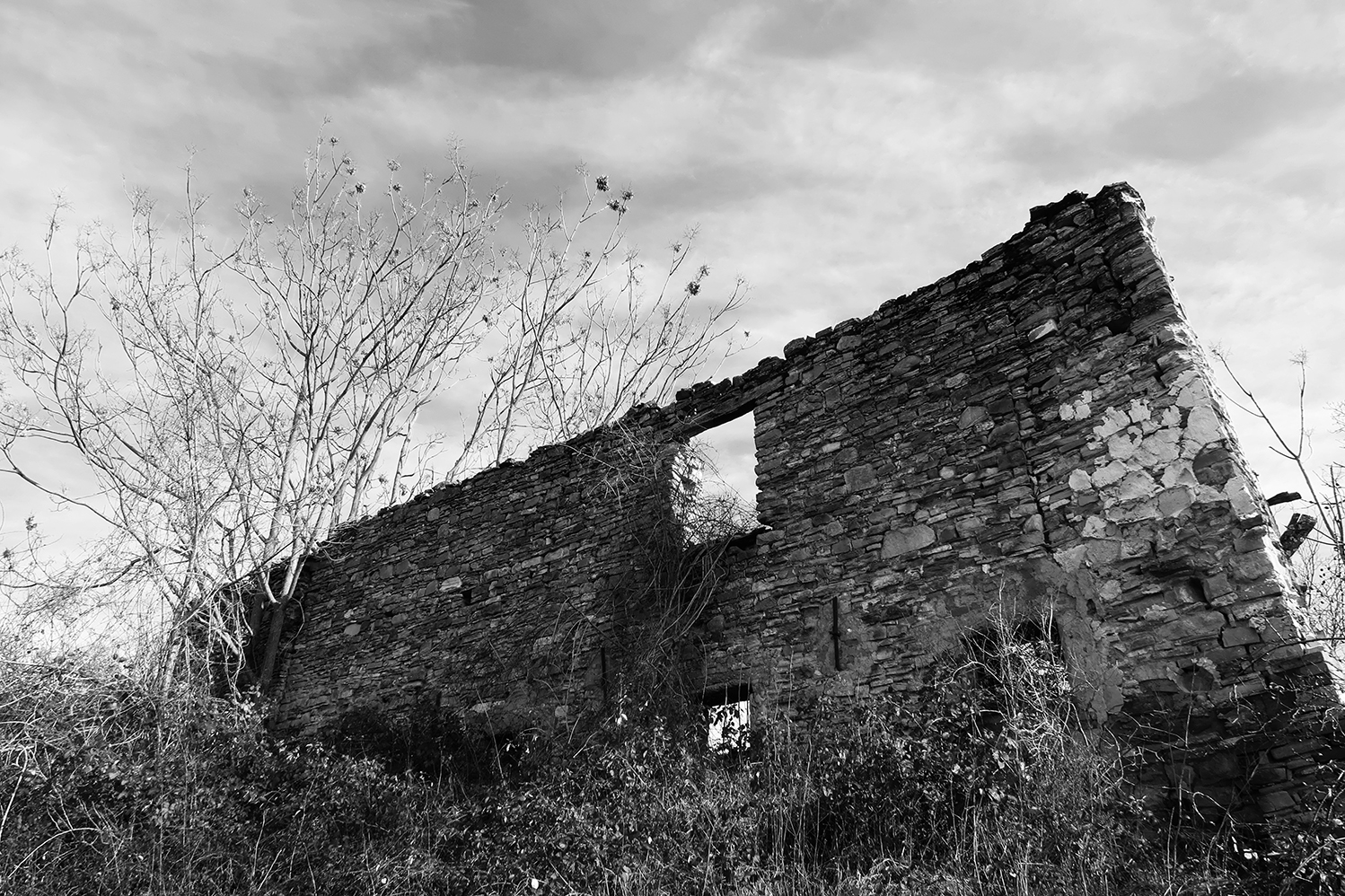
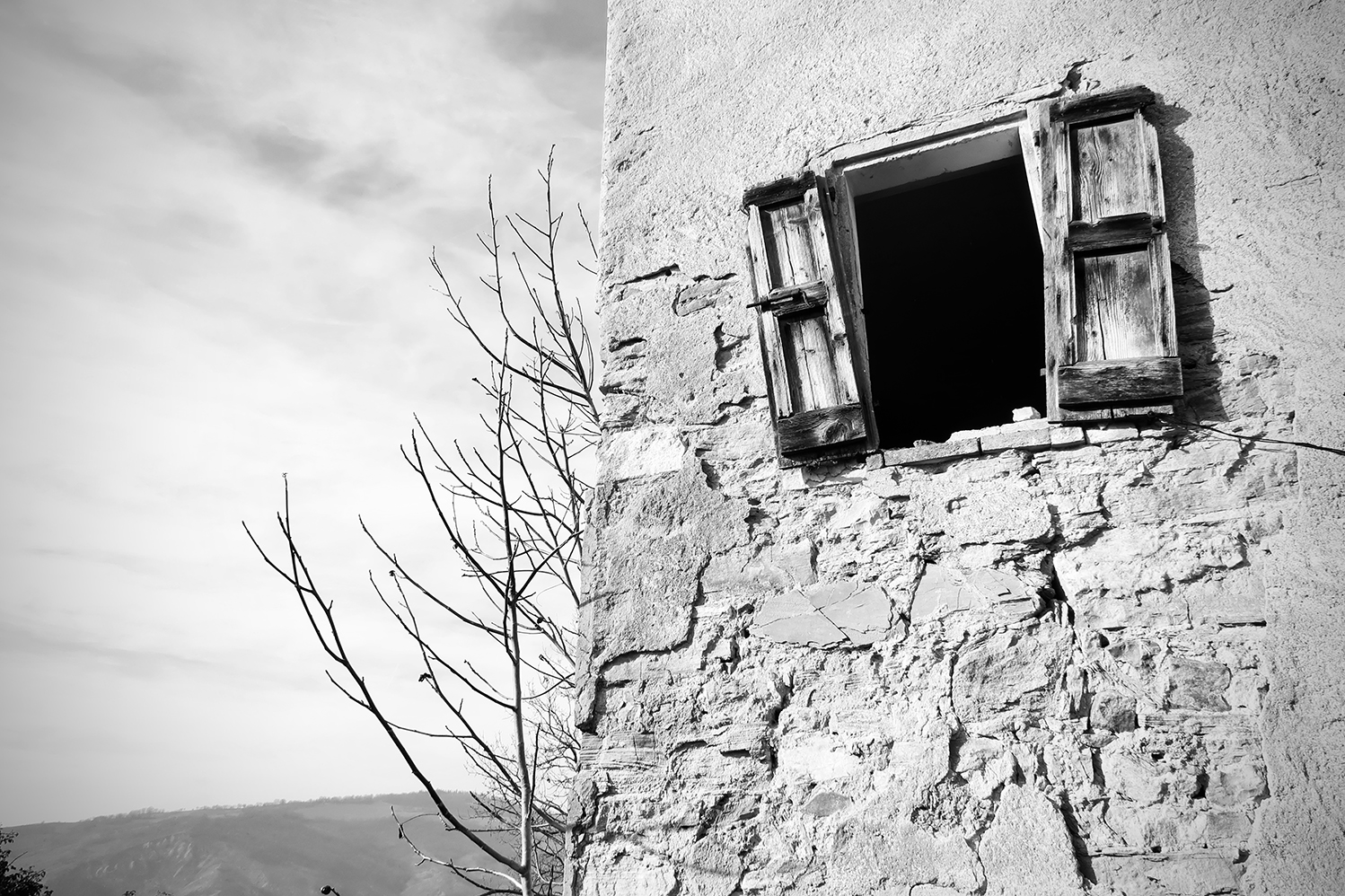
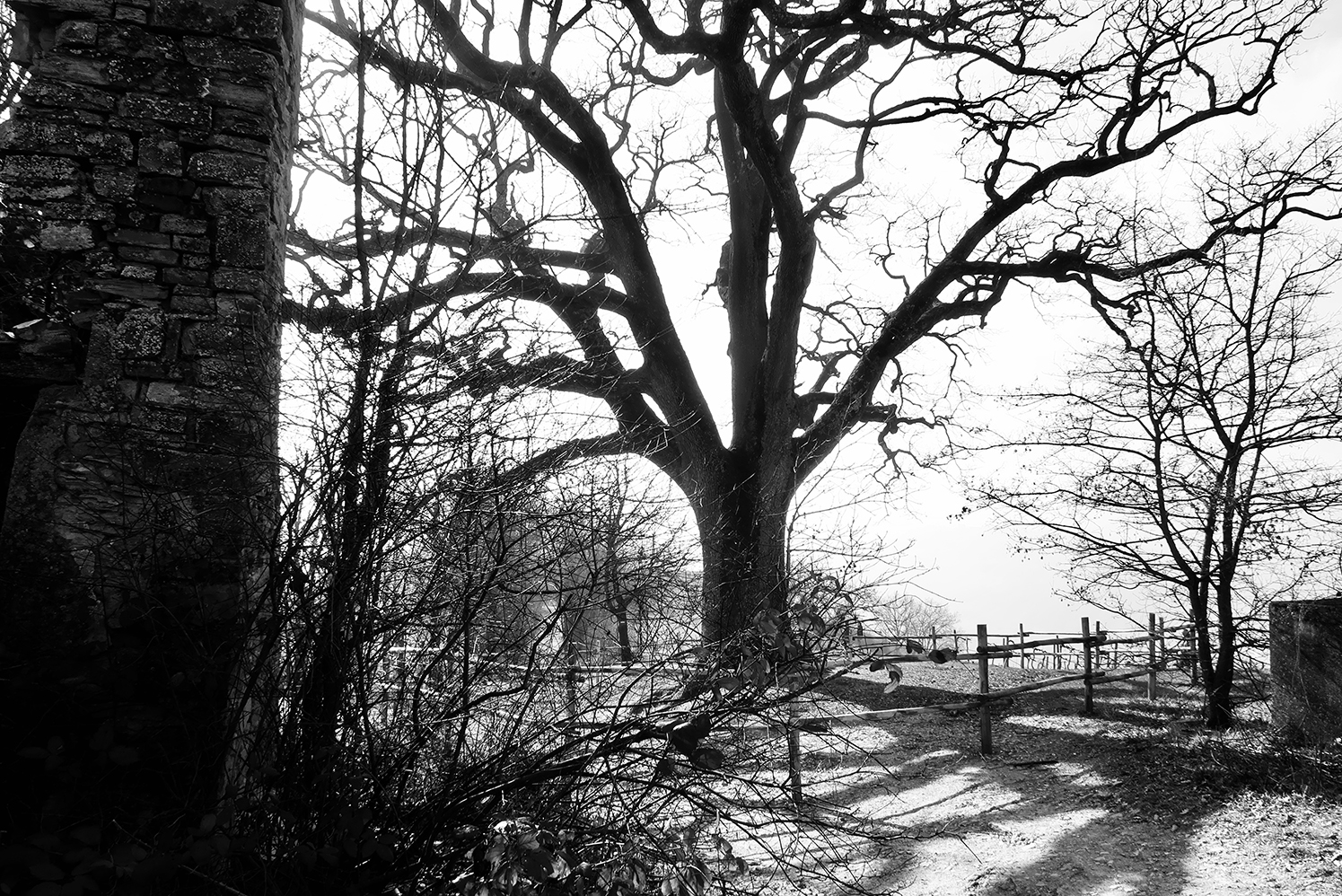
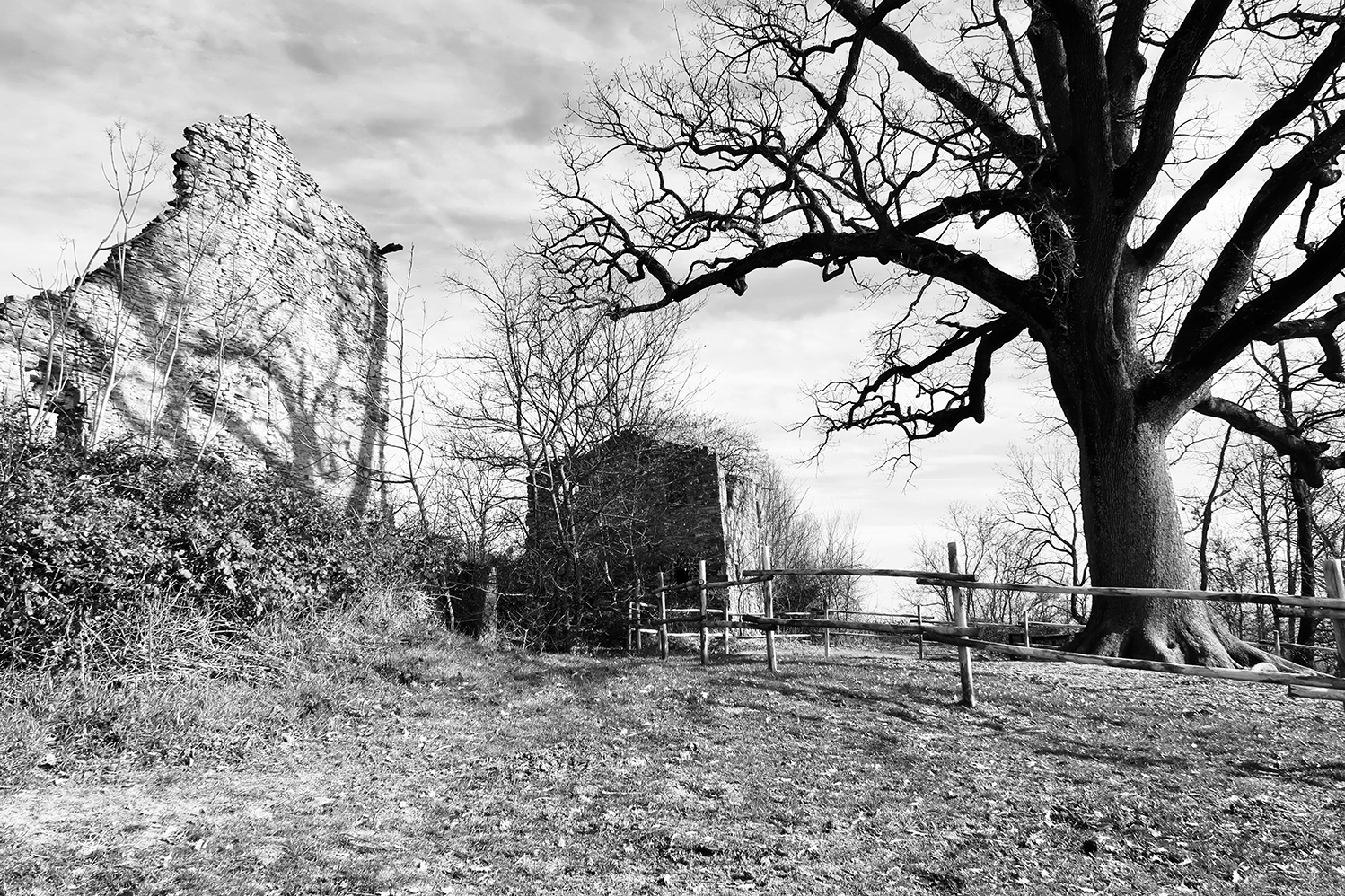
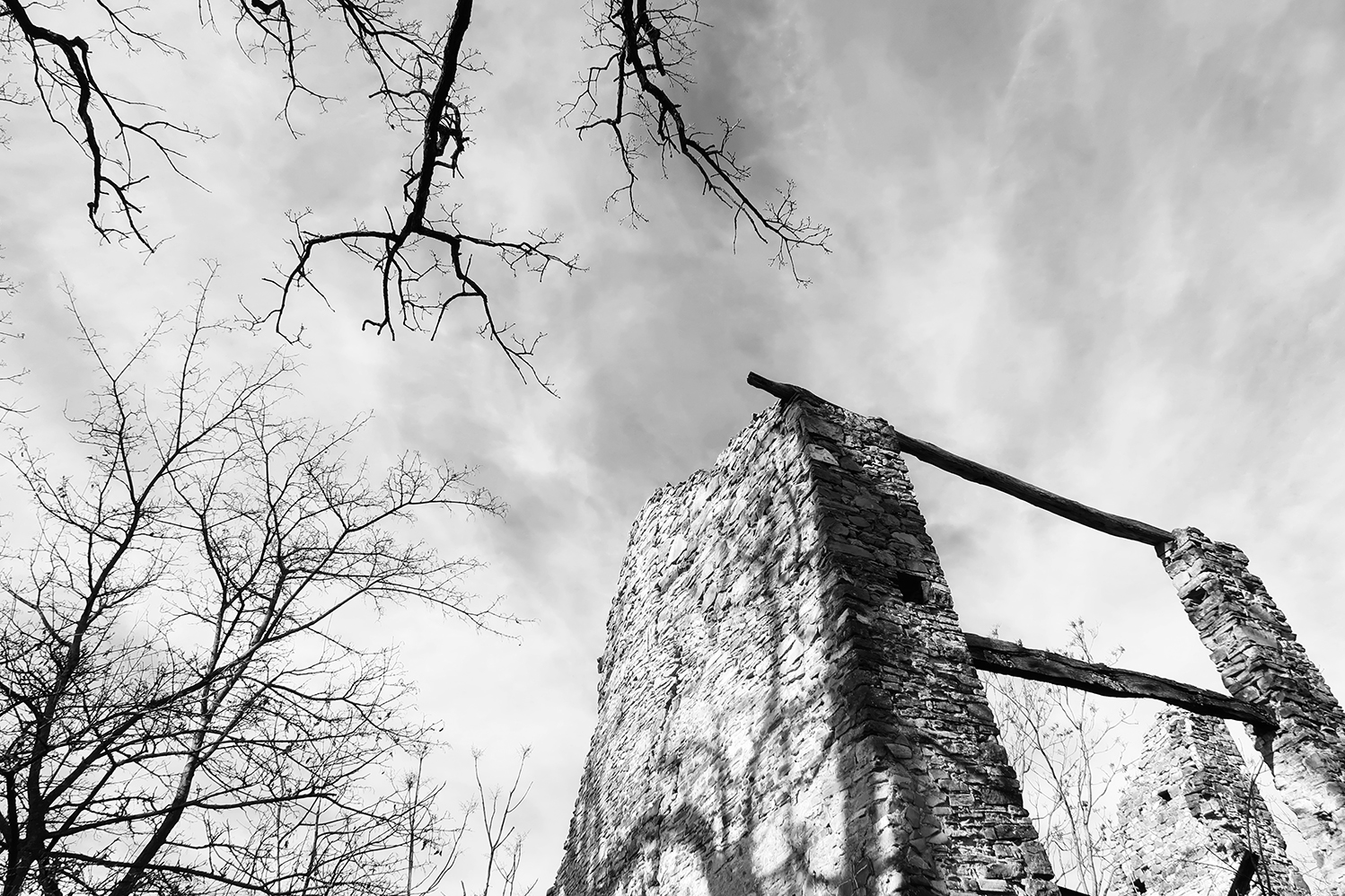
Antonio´s series The Great Oak brings this attentive gaze closer to home. In the hills surrounding Reggio Emilia, picturesque paths lead to an enormous oak tree standing among the ruins of abandoned buildings. During winter, when the vegetation is sparse and the landscape is stripped of its seasonal abundance, the location takes on a mysterious atmosphere. Antonio was drawn to the relationship between the imposing tree and the deteriorating structures surrounding it, recognising in their coexistence a powerful reflection on the passage of time and the enduring presence of nature.
The oak tree dominates the landscape, its massive trunk firmly rooted in the ground while its enormous branches stretch out in every direction. Their twisting forms resemble tentacles reaching towards the ruins, as though the tree were engaged in a silent struggle with the remnants of human habitation. Antonio imagines it as a witness to the history of the place, a survivor that has outlasted the people who once lived here and now stands among the fragments of their vanished world.
Through his photographs, he seeks to establish an imaginary bridge between past and present. The abandoned buildings evoke lives once lived, conversations held and countless ordinary moments that have disappeared from memory. Their crumbling walls and empty openings offer glimpses of a history that can no longer be fully reconstructed. Meanwhile, the oak continues to grow, gradually reclaiming the space around it. Nature and architecture become opposing yet inseparable forces, each revealing something about the other.
Visually, The Great Oak is defined by a striking interplay of light and shadow, organic forms and architectural remains. Antonio’s black-and-white photographs embrace strong tonal contrasts: the oak’s massive trunk and twisting branches emerge as dark, almost sculptural silhouettes against pale winter skies, while the weathered stone walls reveal their rough textures in bright sunlight. The contrast between the solidity of the tree and the fragility of the abandoned structures becomes a recurring visual motif, reinforcing the series’ underlying reflection on endurance and decay. Antonio’s project reflects time and memory within a specific, unremarkable location. A tree, a few abandoned structures and the stark light of winter provide everything necessary to evoke the passage of generations and the changing relationship between humanity and nature.
The people who once occupied this place are gone, and their stories remain largely inaccessible. The oak, however, continues to stand, its branches reaching across the ruins as nature slowly reclaims its space. Through Antonio’s photographs, this quiet corner of the Italian countryside becomes a meditation on impermanence, the endurance of nature and the traces we leave behind.
Antonio’s work has previously appeared in Spectaculum Magazine with his photographic project The House of Tibet , offering another perspective on his interest in places and the stories they hold.
Click on the photos to see the original larger version.
All photos © ANTONIO NARDO
See more of his work on Instagram.

