
MARIIA CHUCHELITE-MAJCHENKO
// Mariia Chuchelite-Majchenko doesn’t come from the usual “picked up a camera and fell in love with light” narrative. Her entry point is psychology, which already tells you this isn’t going to be about pretty surfaces or heroic sharpness. Based in Warsaw, she approaches photography less as a tool for description and more as a way to externalize internal states. Her work is rooted in vulnerability, perception, and the slightly uncomfortable territory where identity starts to blur.
Mariia´s stated goal is almost suspiciously modest: to create a pause. Not spectacle, not visual overload, just a moment of stillness in a world that clearly has no interest in slowing down. Self-portraiture plays a central role in that process, not as an act of self-display but as a controlled environment for introspection. It’s less “look at me” and more “this is what it feels like from the inside.”
That psychological grounding carries directly into the work itself. The series operates as a study of de-identification and inner withdrawal, and it commits to that idea with almost stubborn consistency. The figure appears, but never fully. Faces are obscured, turned away, or softened into near-erasure. Identity isn’t presented, it’s withheld.
“The purpose of art is to represent not the external appearance of things, but their internal meaning.”
Aristotle
What draws you to the arts?
To me, art is primarily a tool for connecting with one’s inner self. It is a way to find a path back to oneself in a world full of noise. Engaging with the arts makes me feel a profound sense of grounding and clarity; it allows me to process complex emotions that words cannot always reach. For me, art is not just about aesthetics, but about the essential journey of self-discovery and honest reflection. This is exactly why self-portraiture is such a crucial part of my practice: it is my most direct tool for this internal dialogue.
What do you like best about this project?
I love how the soft layers and washed-out colors create a sense of absolute stillness. It feels like a fragile memory or a quiet pause. I am proud that I was able to capture the exact feeling of vulnerability and peace that I was aiming for.
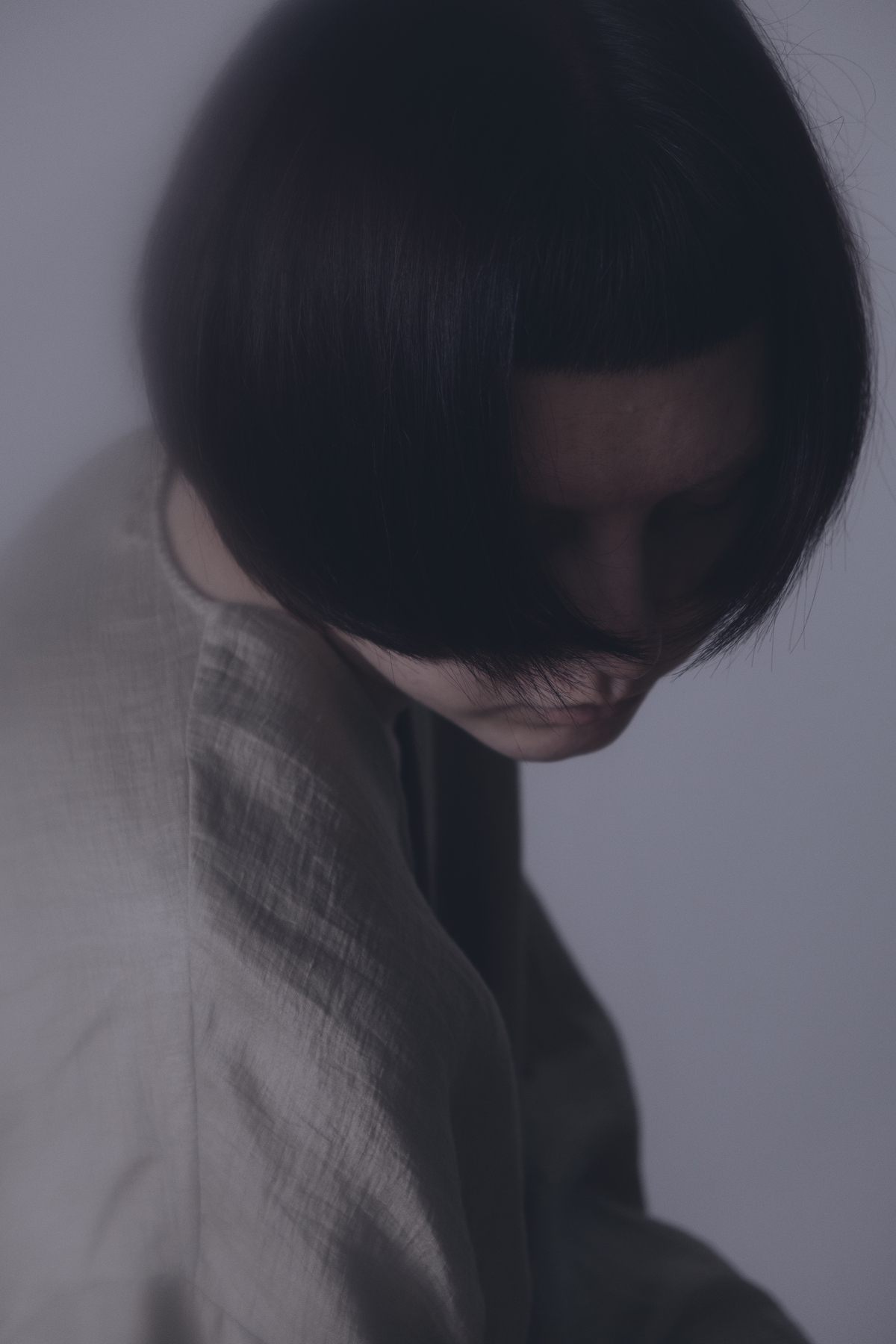
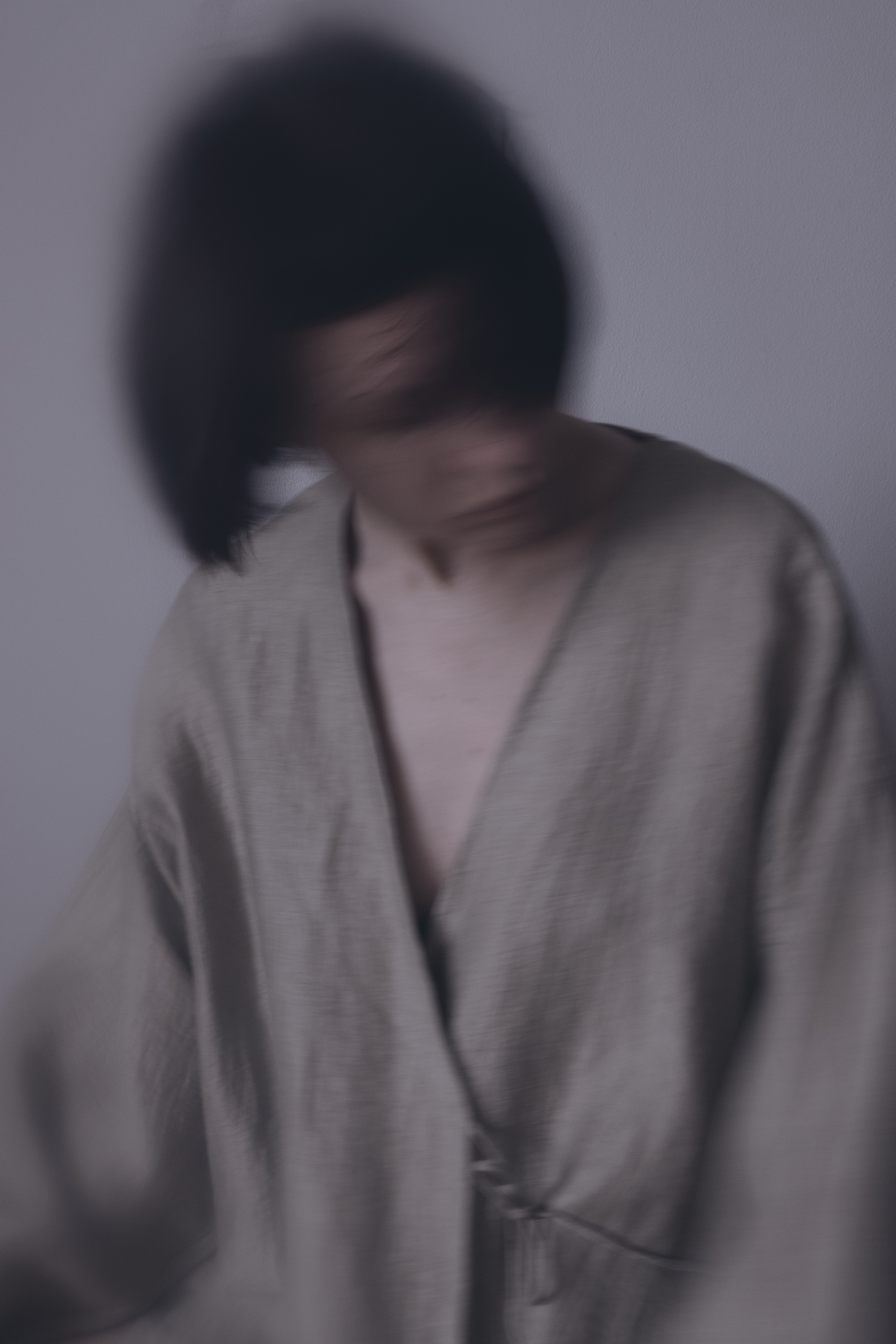
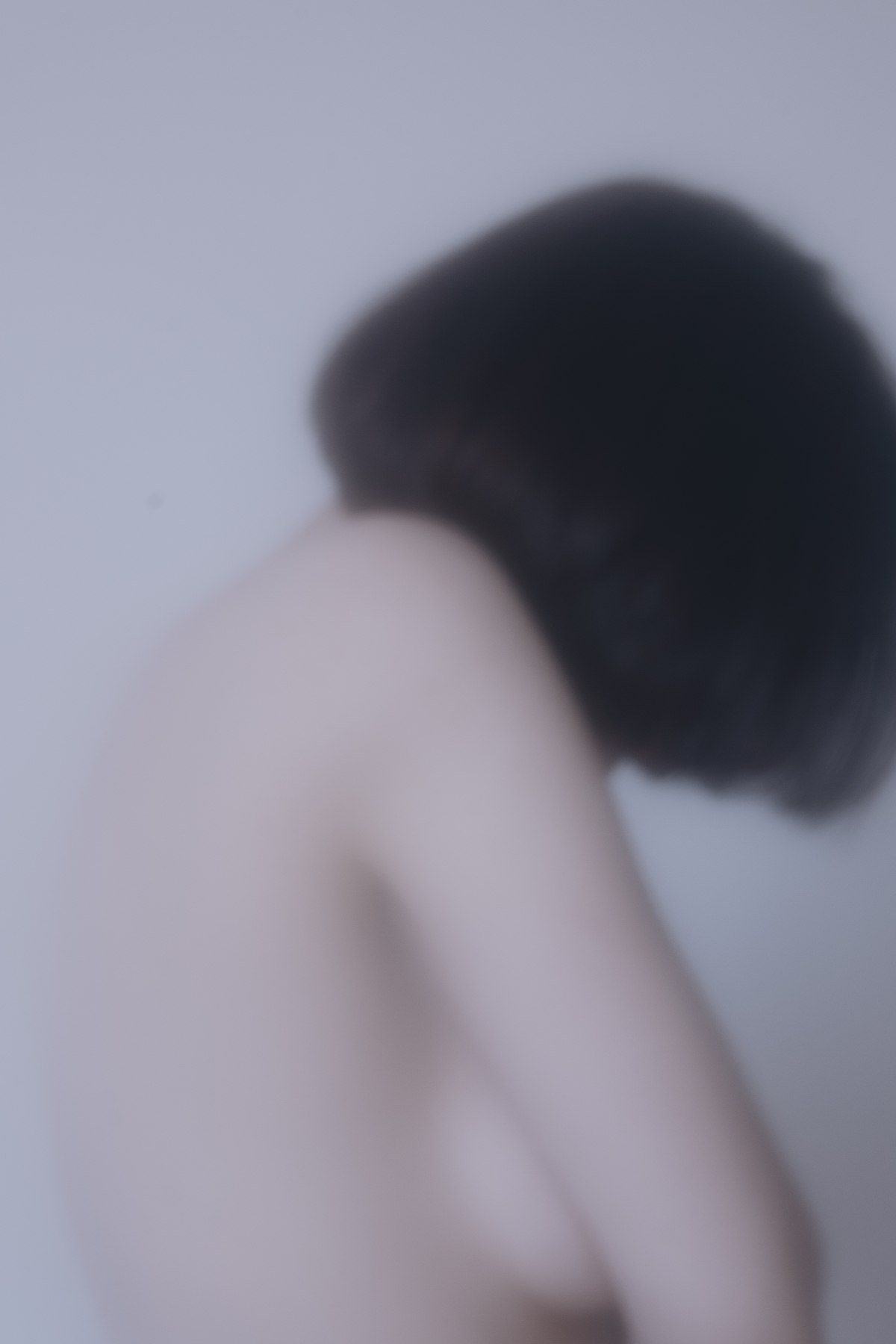
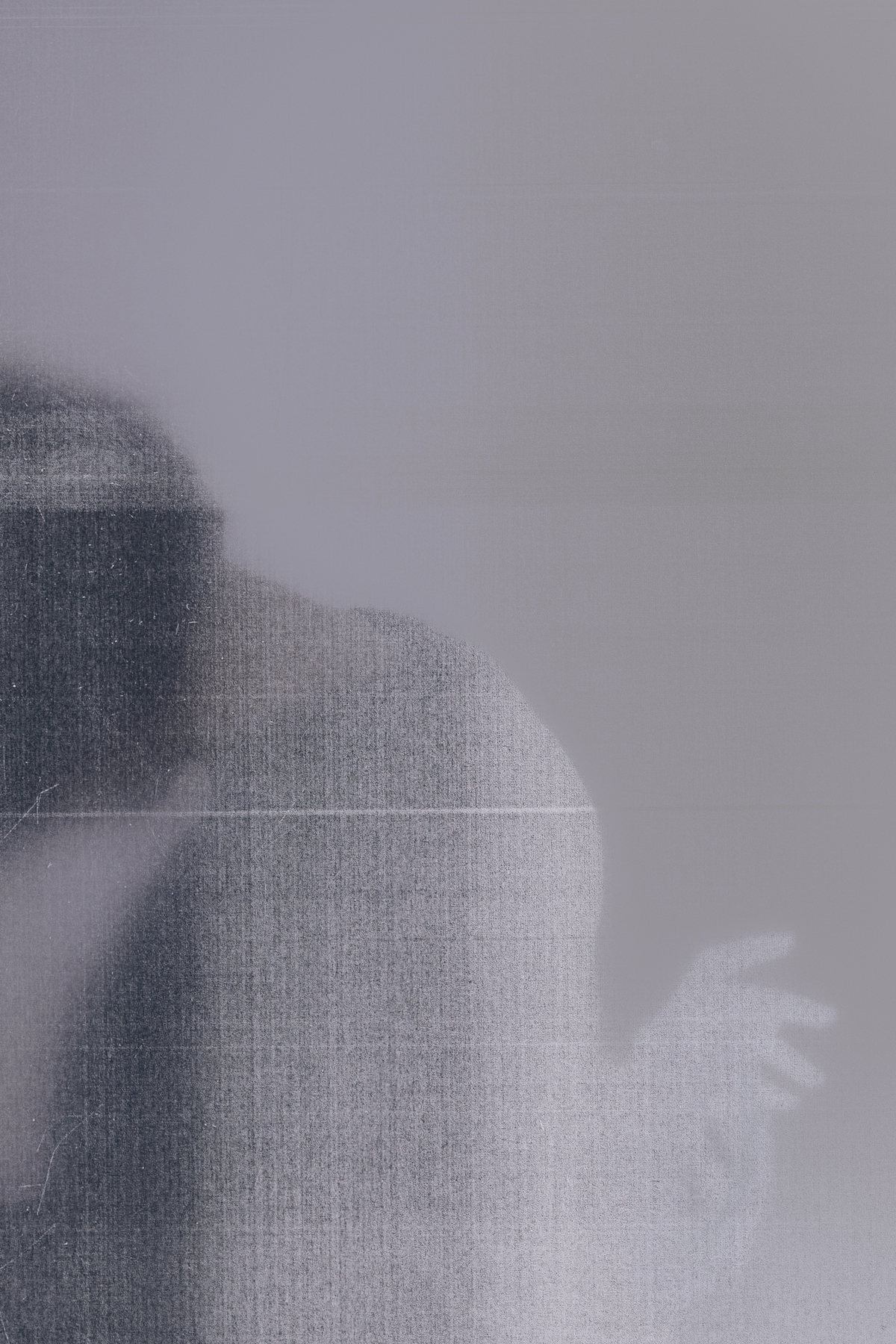
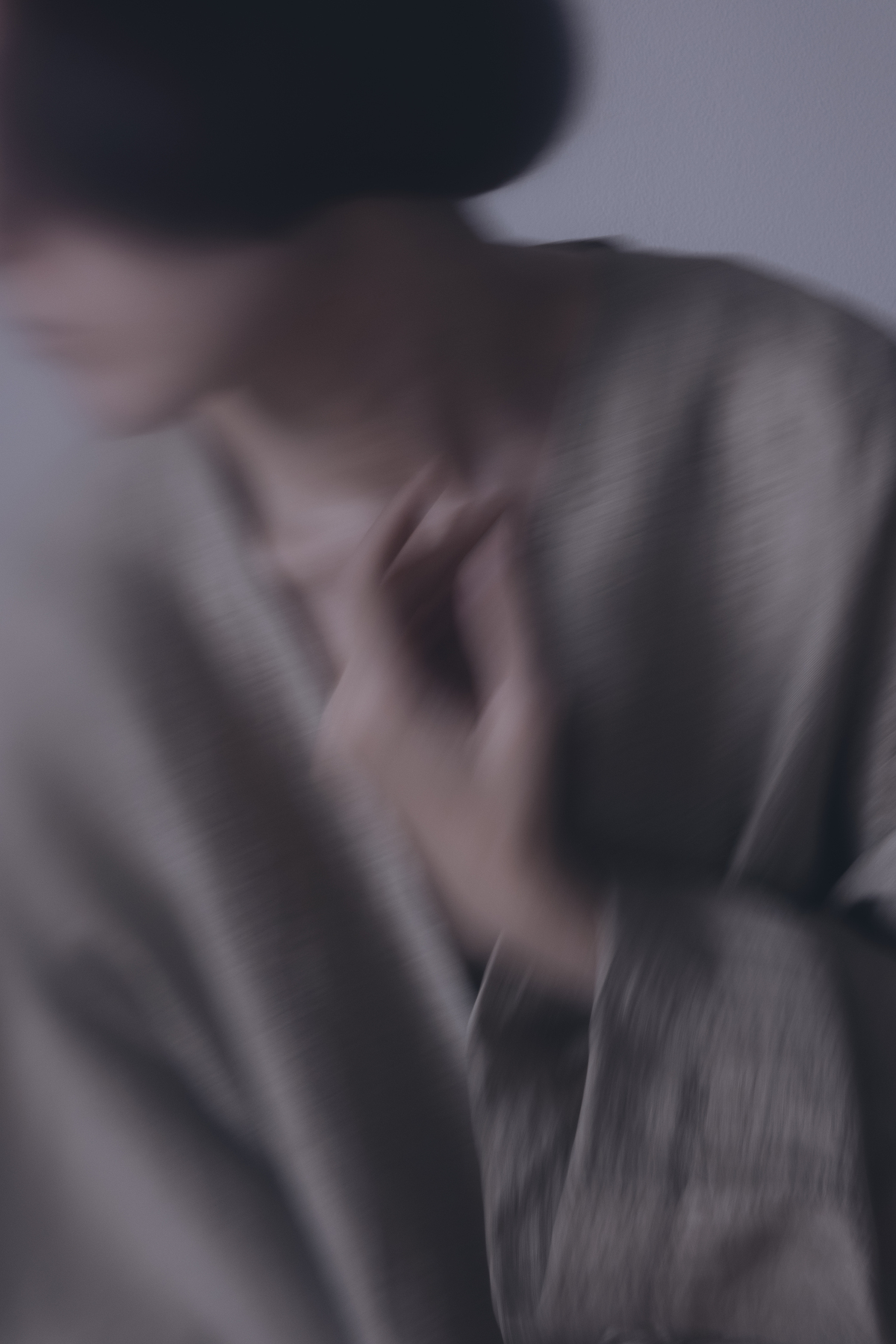
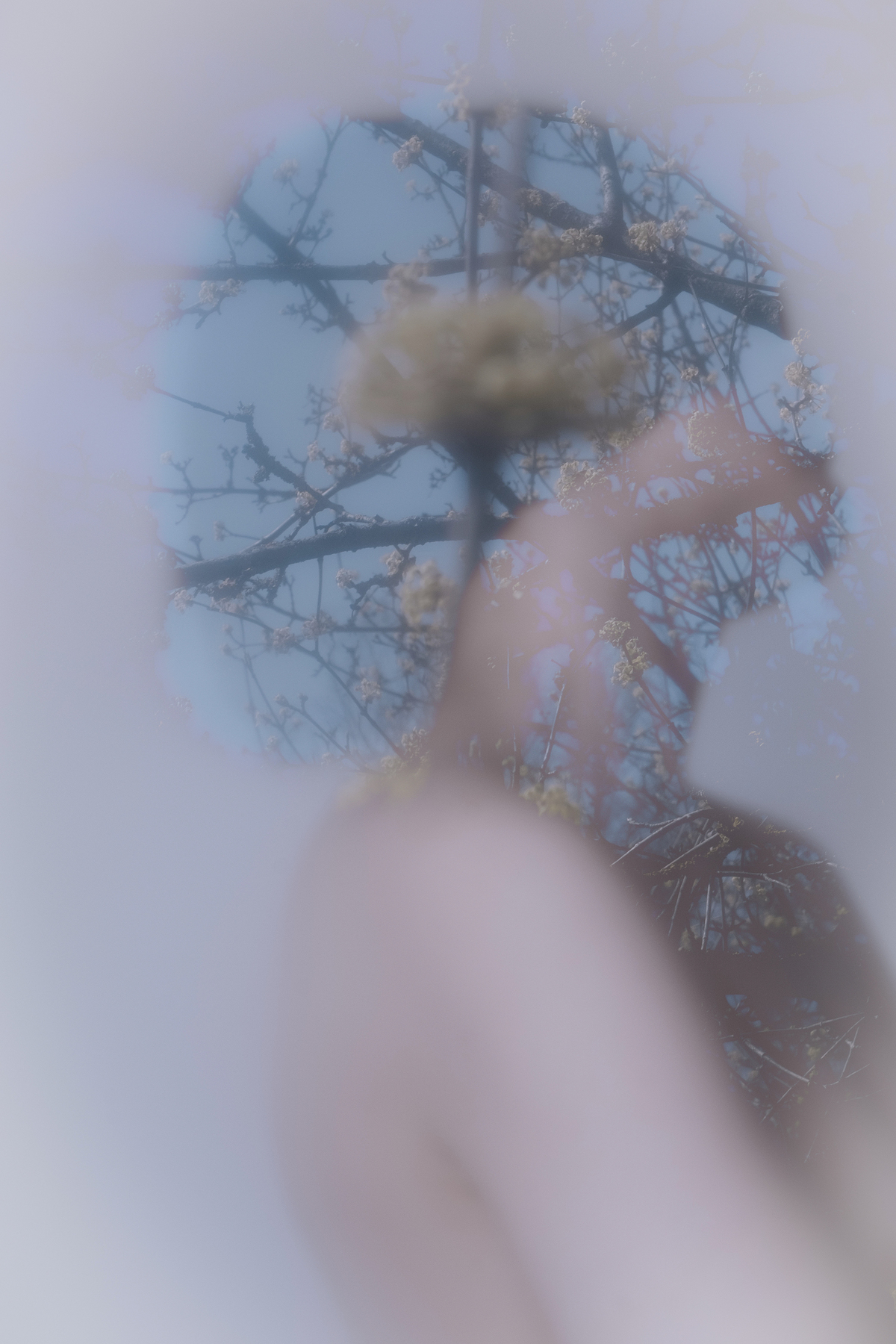
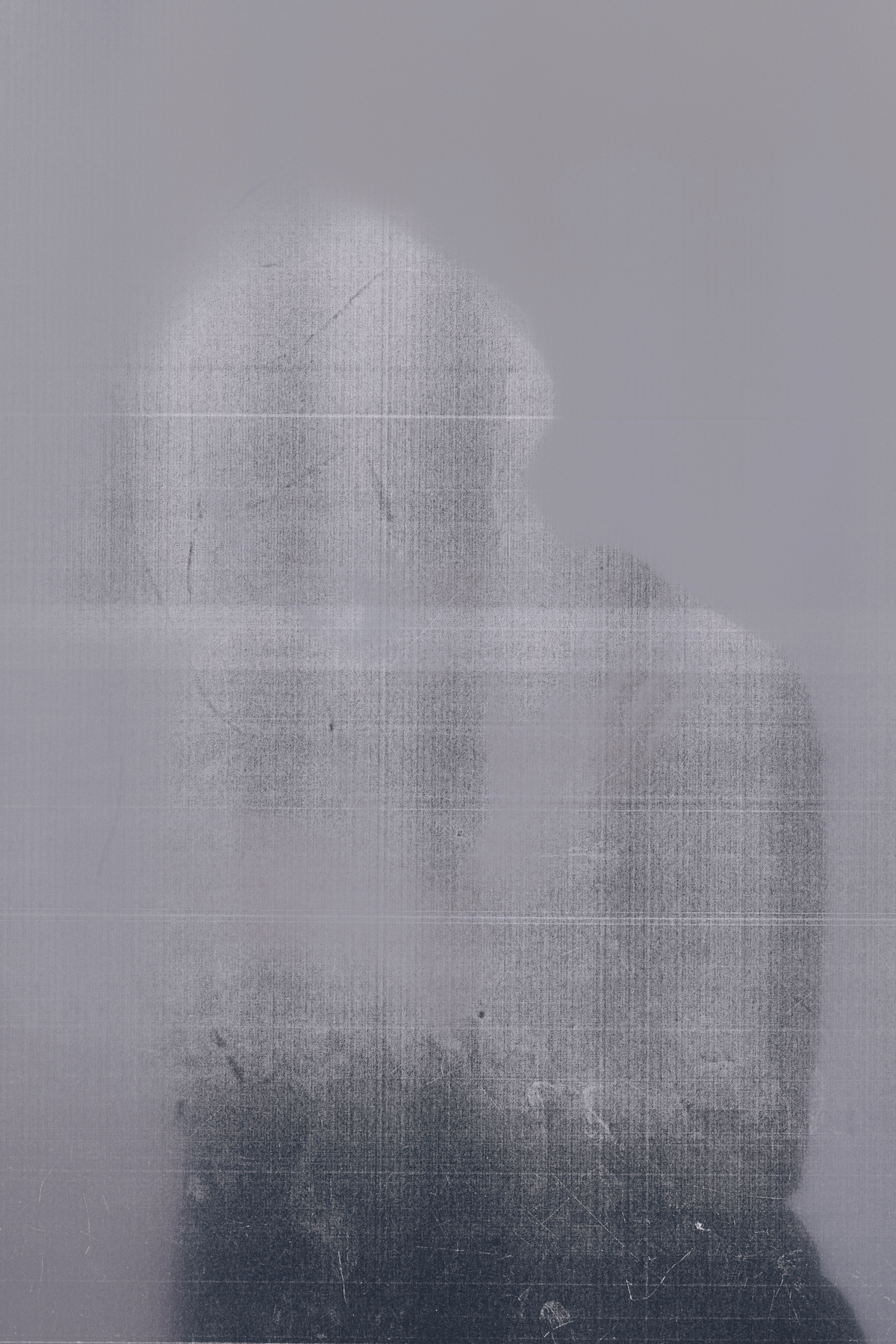
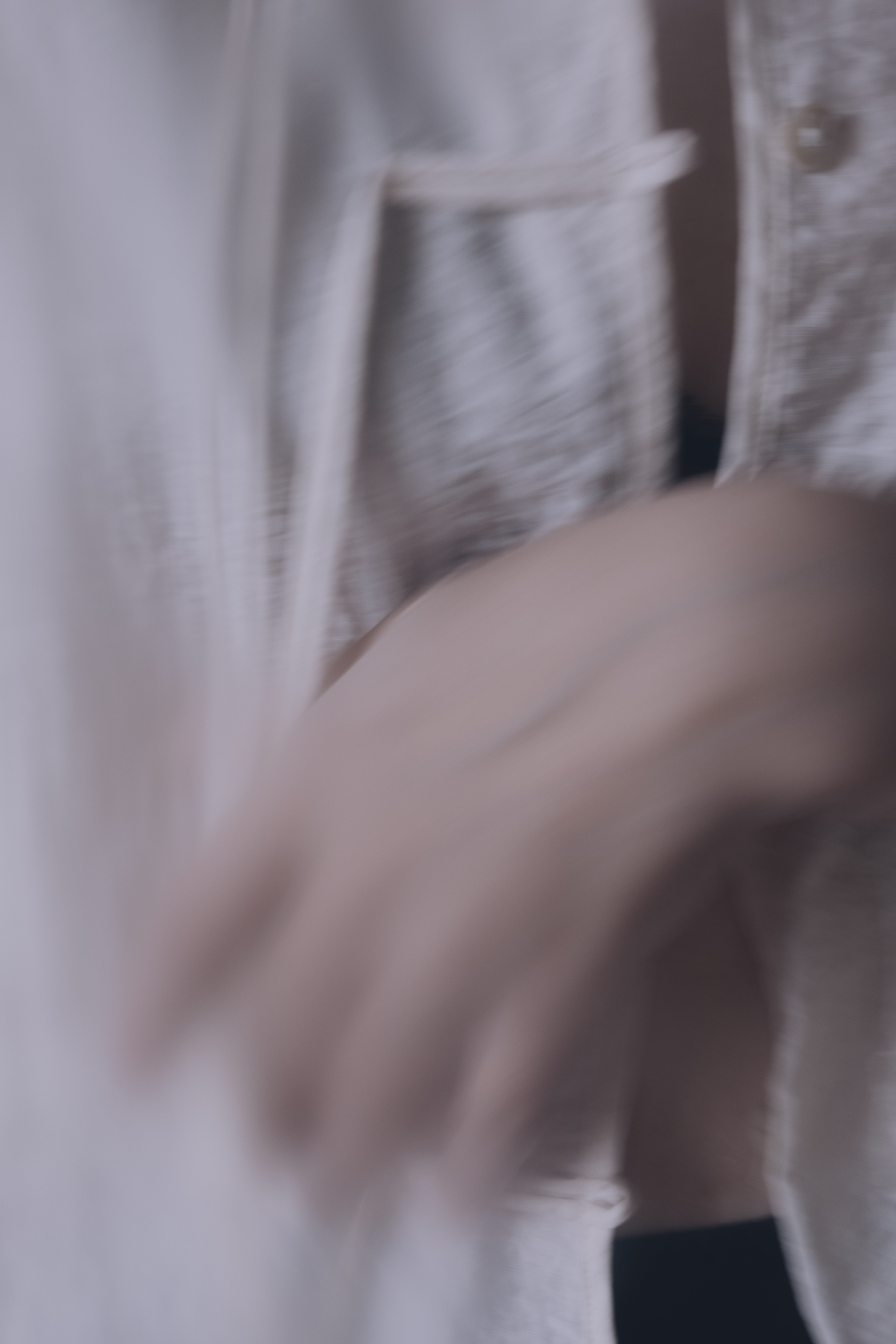
The series presented here continues that approach, focusing on de-identification and inner stillness. Across the work, the figure is present but never fully accessible. Faces are hidden, turned away, or softened to the point of near-erasure. Identity feels unstable, as if it could dissolve at any moment rather than hold its ground. The body does not assert itself. It recedes.
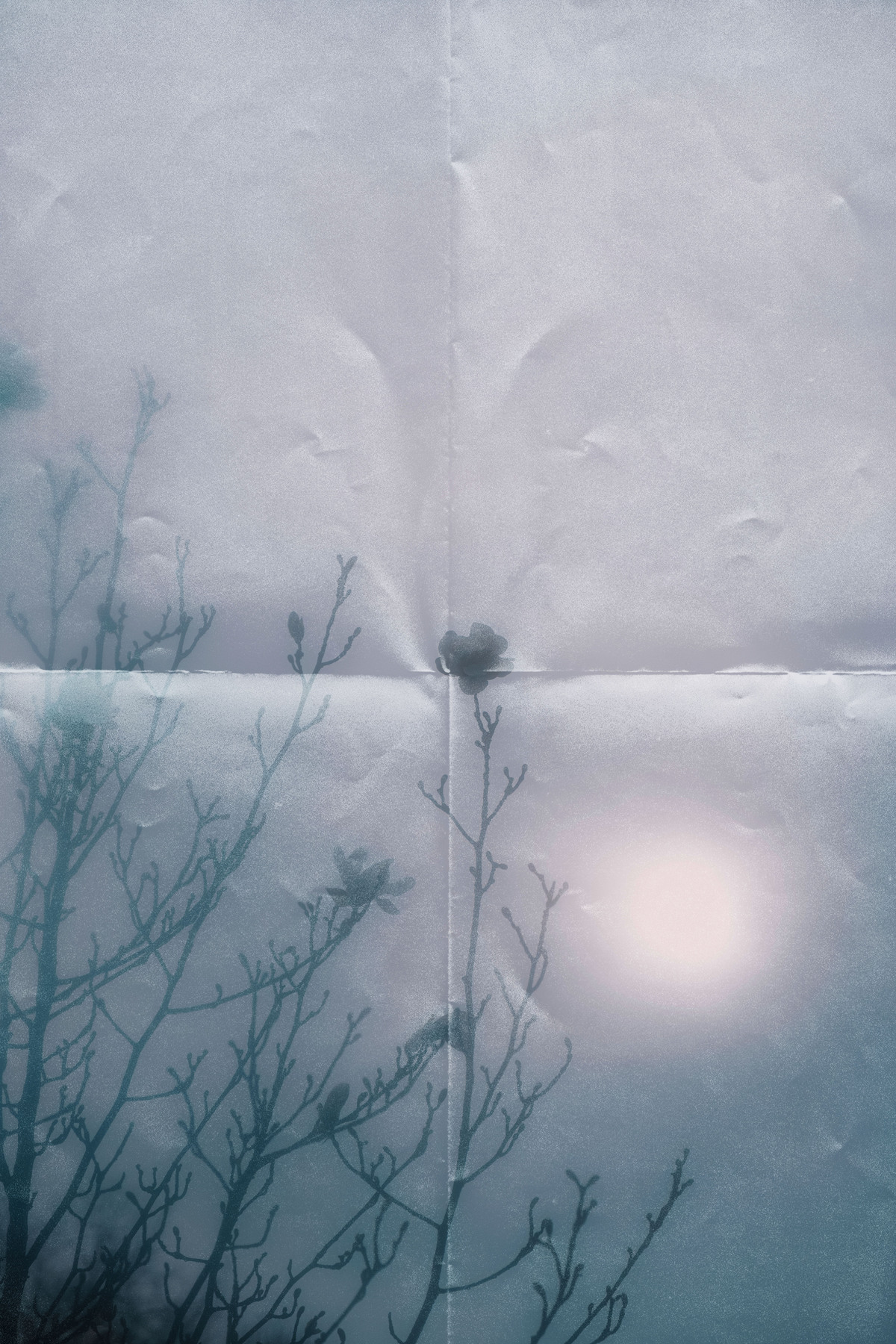
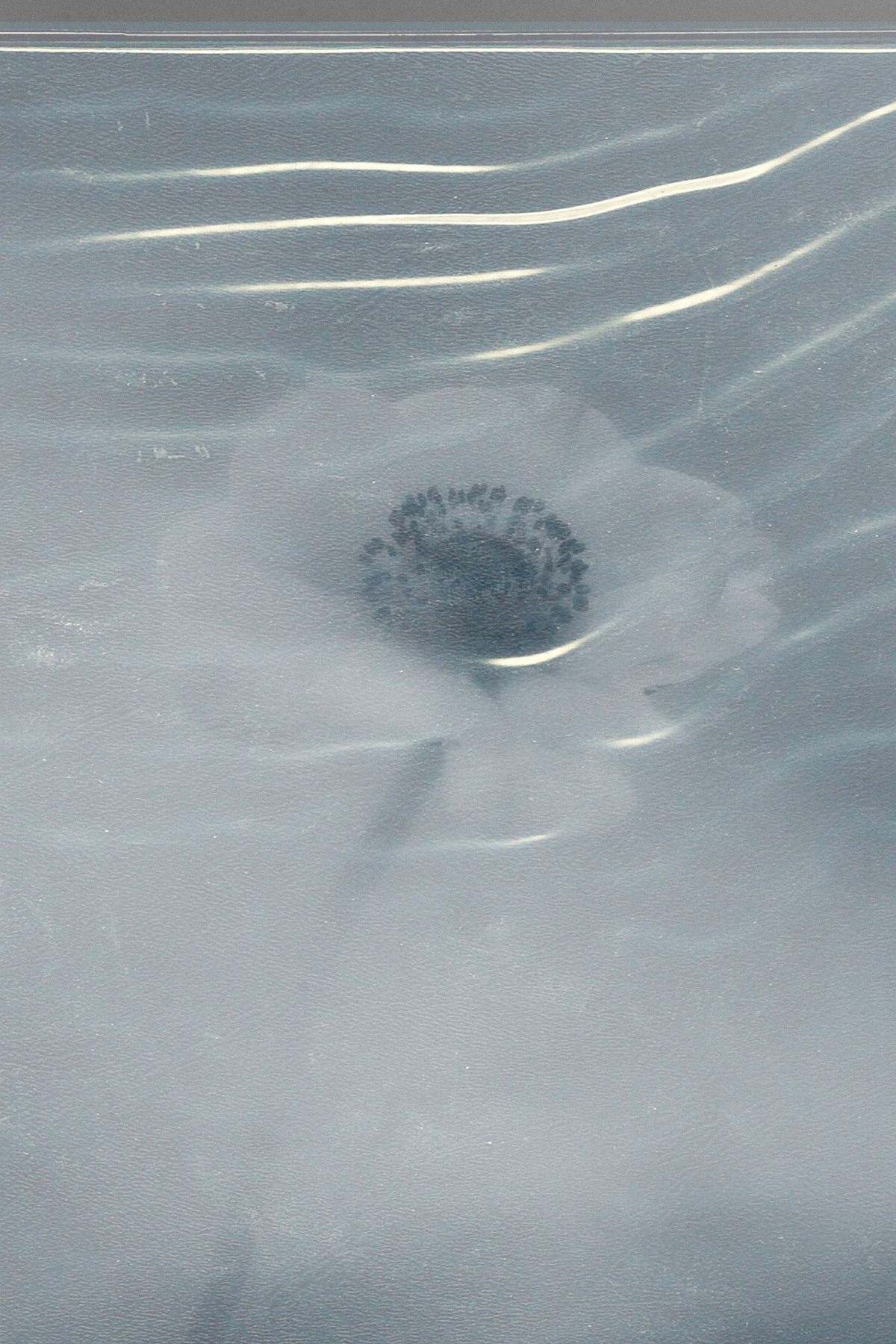
Visually, everything leans toward disappearance. Focus is consistently disrupted, edges blur into each other, and movement transforms the figure into something transient. In some images, layering creates a faint doubling, suggesting multiple emotional states existing simultaneously without resolution. Botanical elements and textures do not frame the subject but merge with it, flattening the distinction between figure and environment until both operate on the same fragile plane.
Color plays a quiet but decisive role. The palette is muted, washed out, almost drained of intensity. Blues, greys, and pale tones dominate, giving the images the quality of something remembered rather than directly observed. oment that has already passed.
It feels less like looking at a person and more like encountering the residue of a moment that has already passed.
The process behind the work reinforces this instability. Using a Fujifilm camera, she captures fragments in soft focus, which are later combined and layered in Adobe Photoshop. The result is not a constructed scene in the traditional sense, but a visual equivalent of how the mind assembles memory and emotion, incomplete, overlapping, and slightly out of reach.
What holds the series together is restraint. There is no attempt to resolve the images into something definitive. Instead, they remain suspended, quiet, and deliberately unresolved. In a culture that demands clarity and constant visibility, this work does something less accommodating. It withdraws, and in doing so, makes that withdrawal visible.
Click on the photos to see the original larger version.
All photos © MARIIA CHUCHELITE-MAJCHENKO
See more of her work on Instagram.

