
RAFA ROJAS
// Rafa Rojas does not photograph São Paulo the way it is usually sold to you. Based in Brazil, he moves between roles — photographer, curator, editor — but his work stays grounded in the same instinct: to look closer when everything around him pushes toward simplification. Cities like São Paulo tend to be reduced to easy narratives. Big, chaotic, grey. Efficient shorthand for something far more complicated. Rafa’s practice quietly resists that reduction.
Rafa´s background reflects a long engagement with visual culture, from publishing and exhibitions to independent editorial work. He co-founded Imagem Vertigem magazine, published the book Underground Stories, and has exhibited across Brazil and internationally. But none of that translates into a need to overstate the image. If anything, his work leans the other way. It pays attention. He is the creator of Colors of a Grey City, first exhibited at MIS in 2024 and later circulated through the Pontos MIS program in 2025.
His work has been shown across Brazil, Europe, and Japan, as well as published in various national and international platforms. In 2025, he contributed to the exhibition and photozine BECO and served as a juror for the Mata Atlântica Open Call at MIS-SP.
“The city is not a concrete jungle, it is a human zoo.”
Desmond Morris
(British zoologist, writer and painter)
What draws you to the arts?
When I was a child, I loved drawing and creating comic books. As I got older, I moved into photography. I’m deeply passionate about music and cinema, and for me, art is a form of therapy. It makes me feel good, regardless of the medium I engage with, and it’s something that is constantly present in my everyday life.
What did you like best about this photography project?
I struggle to evaluate my own work. What resonates with me most is how it has been received. The project has already circulated across Latin and North America, Europe, Japan, as well as Brazil, suggesting that people connect with it in different ways.
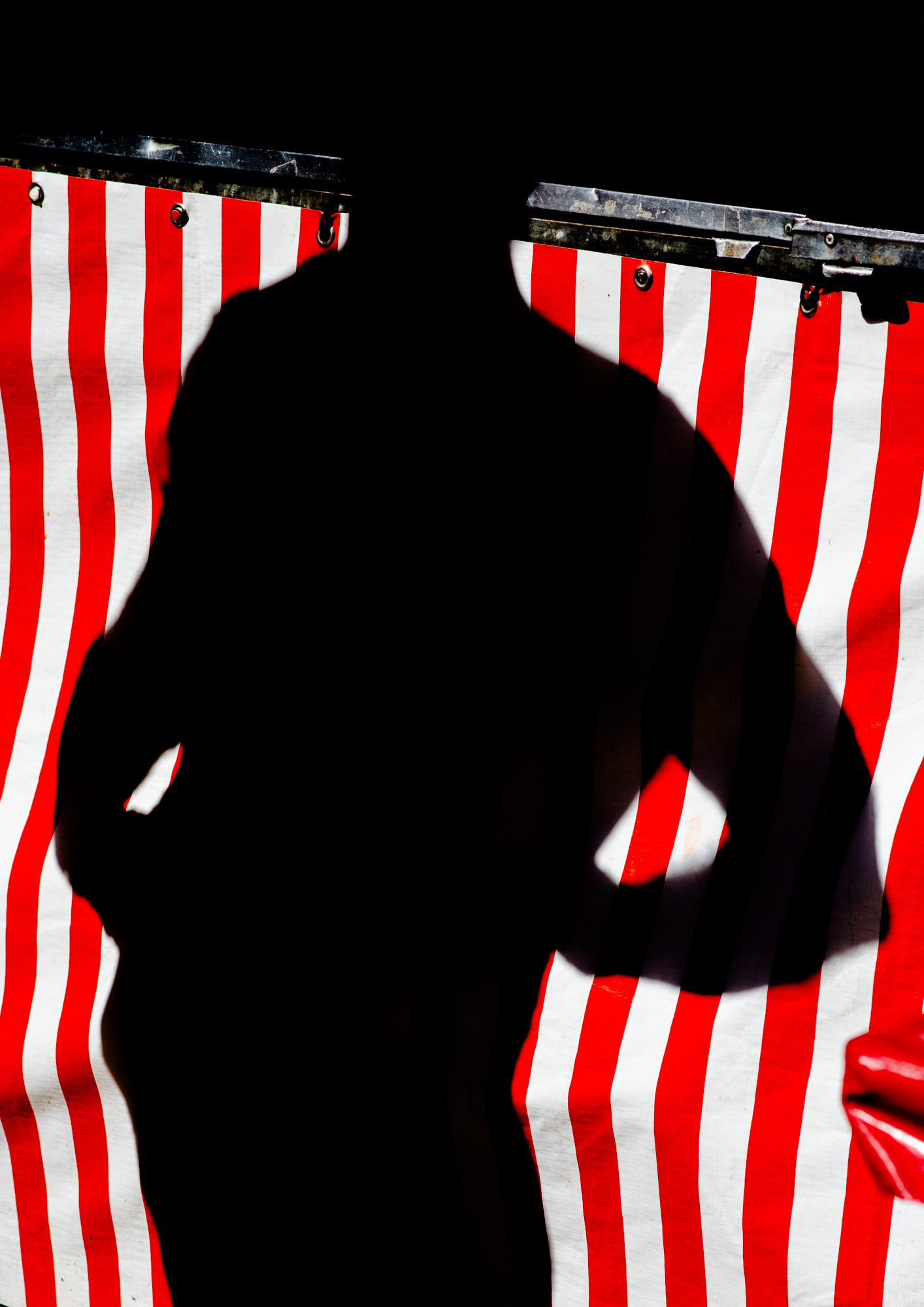

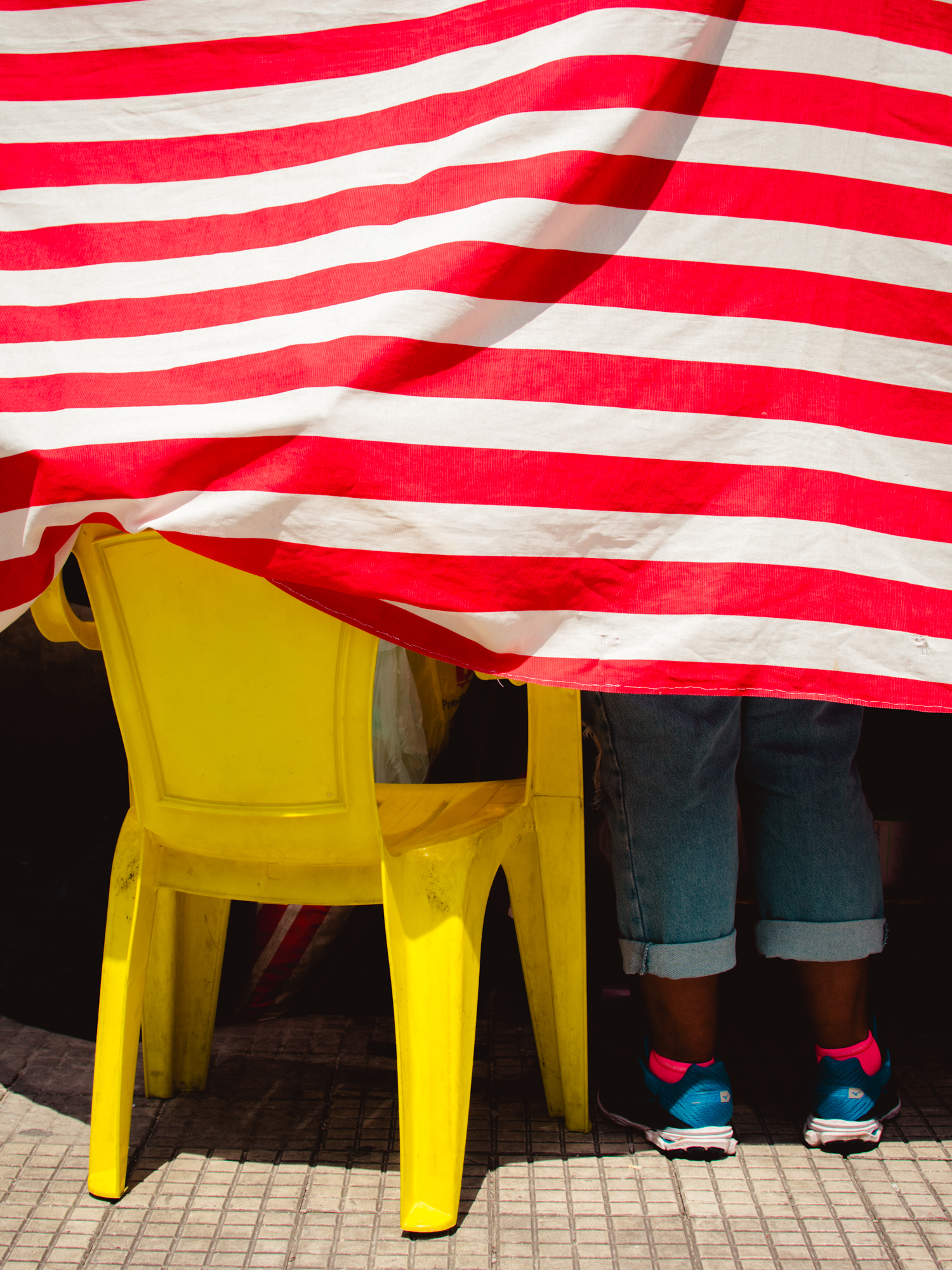
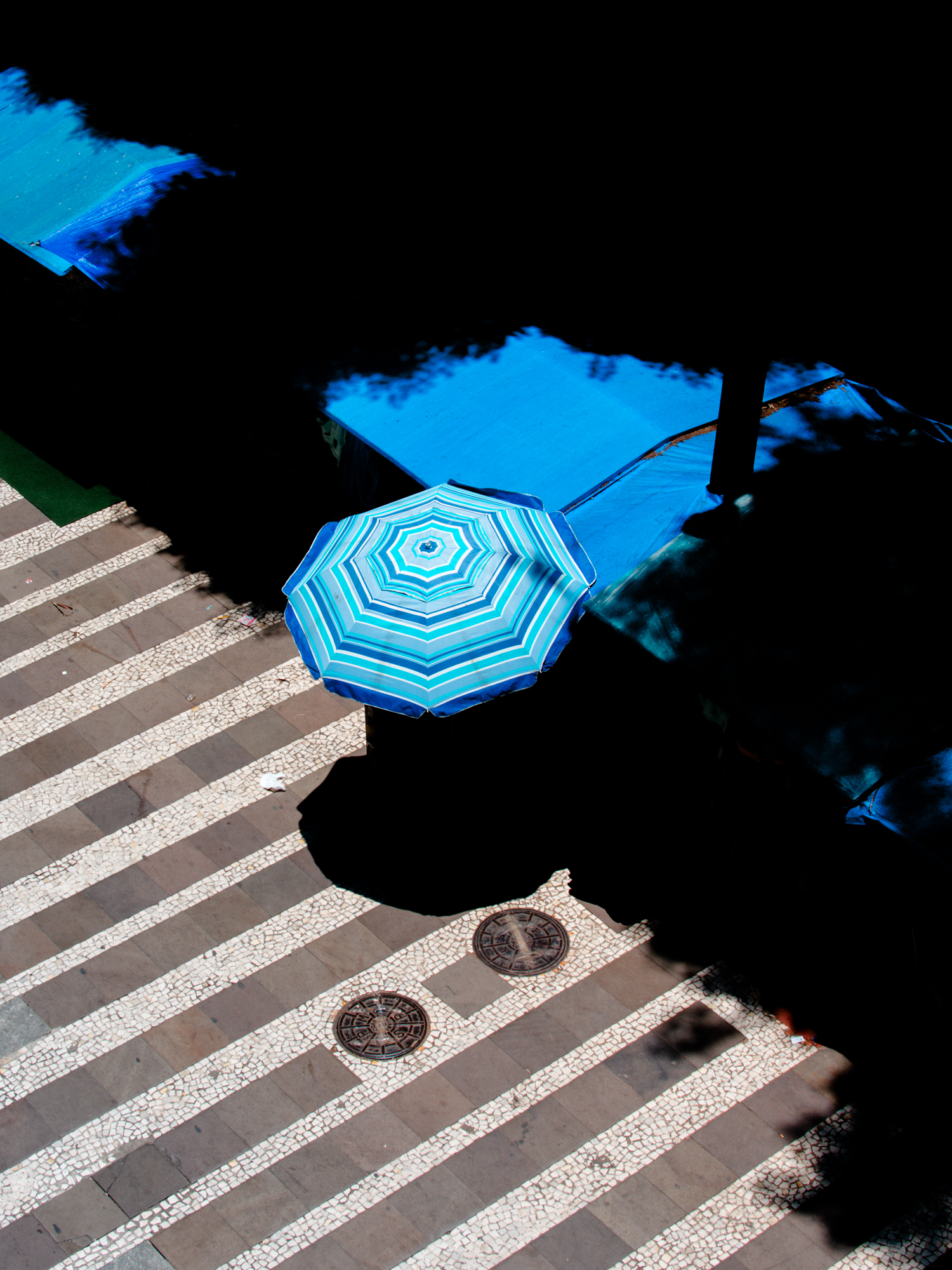
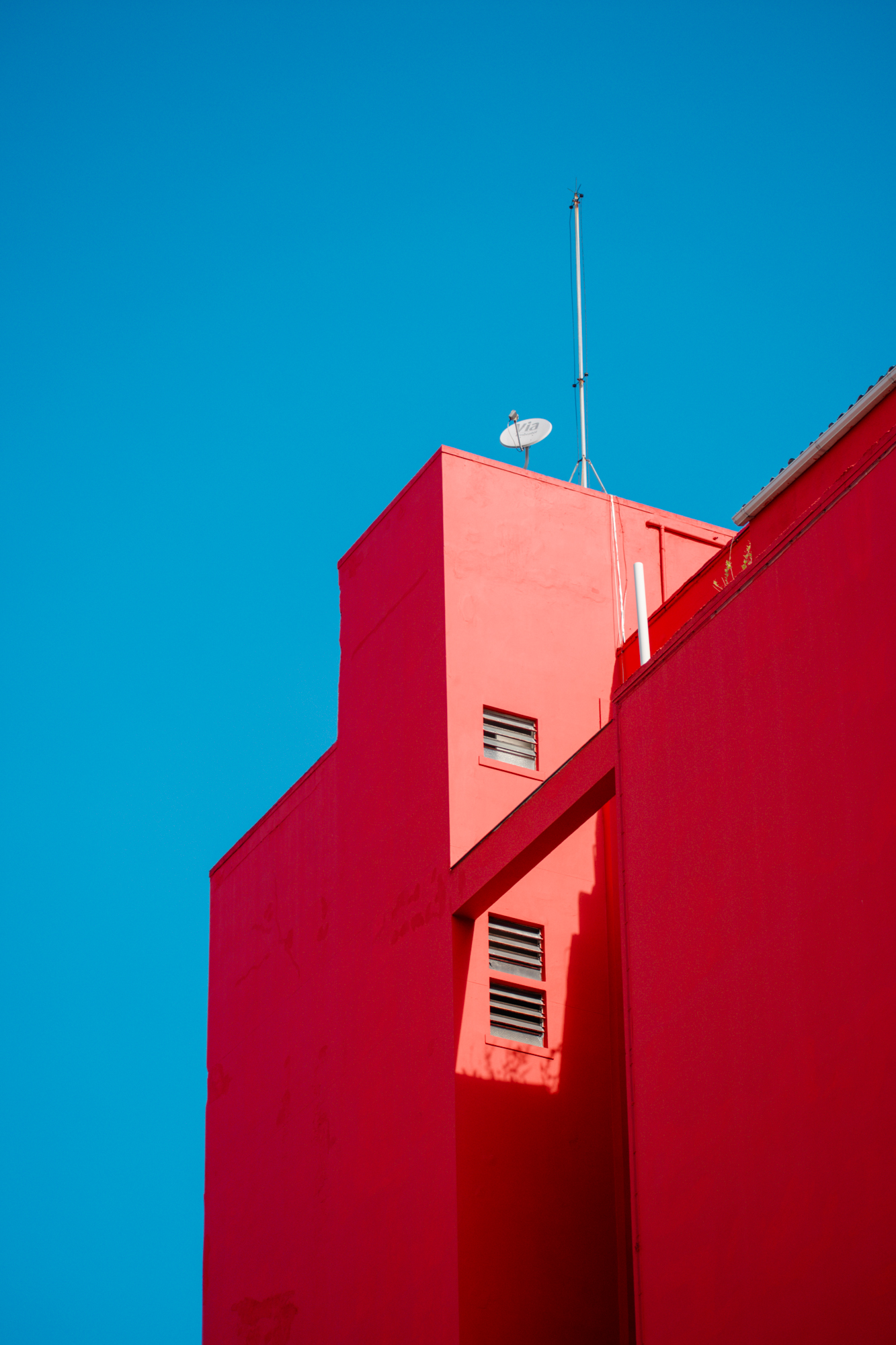
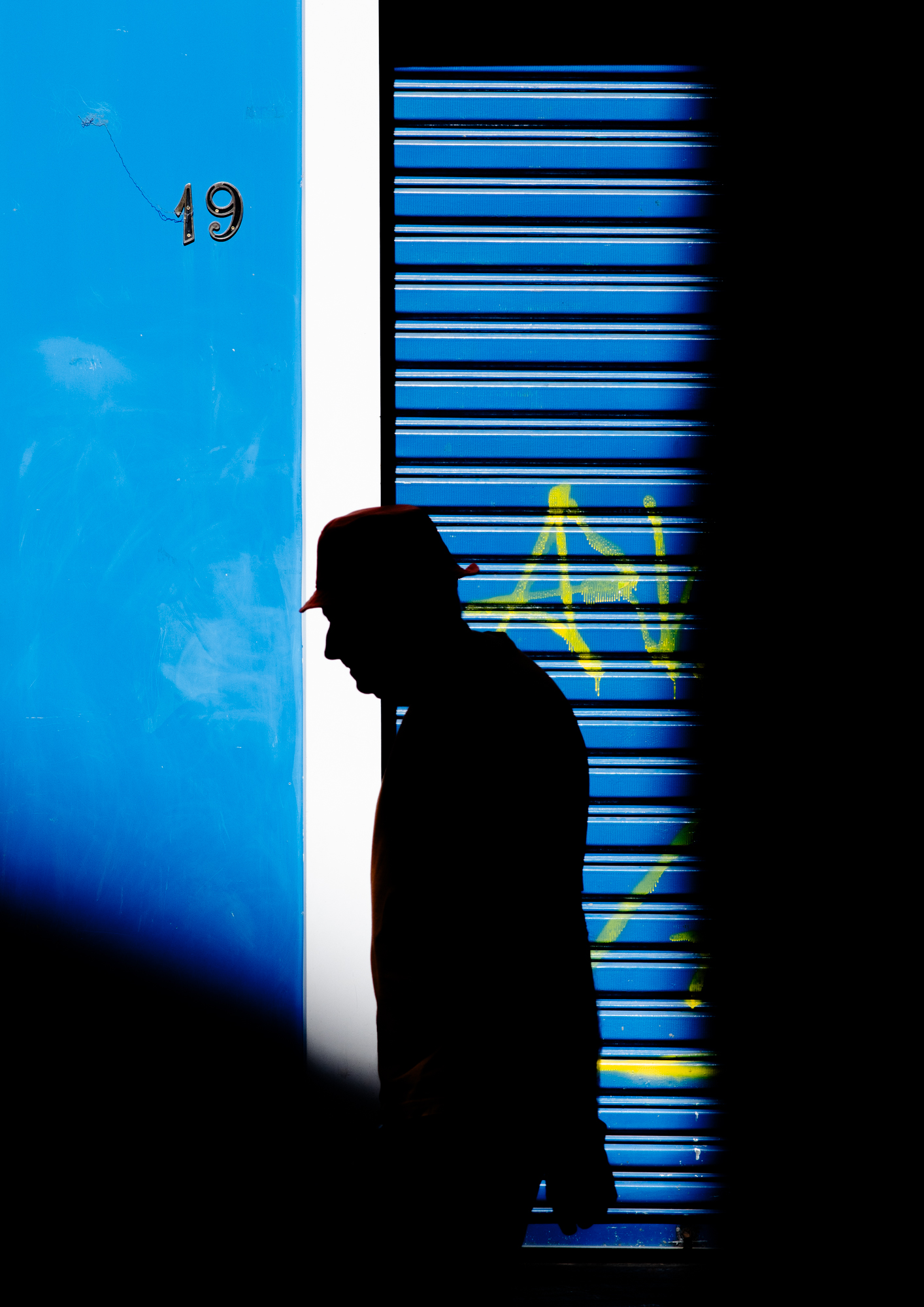
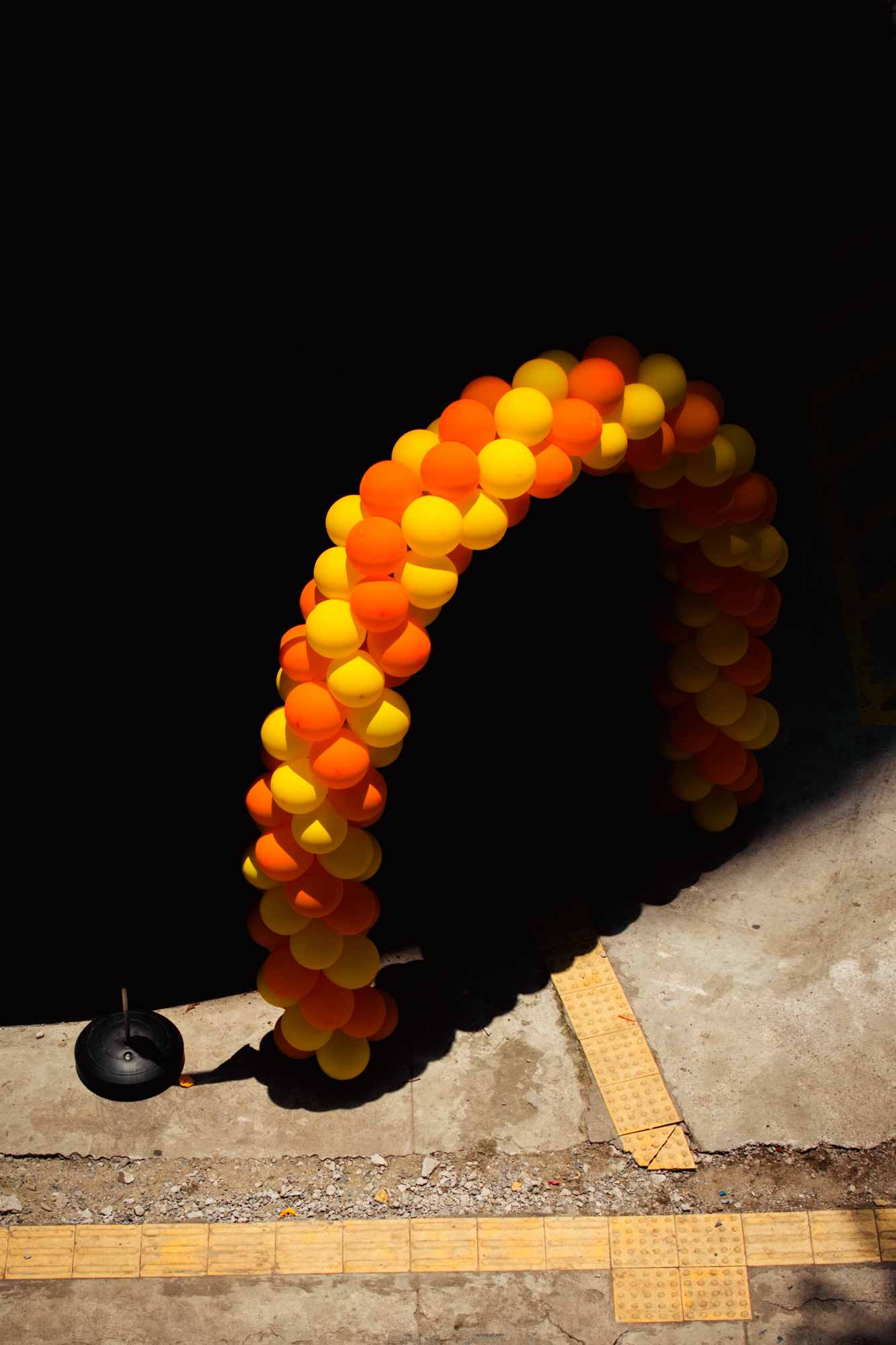
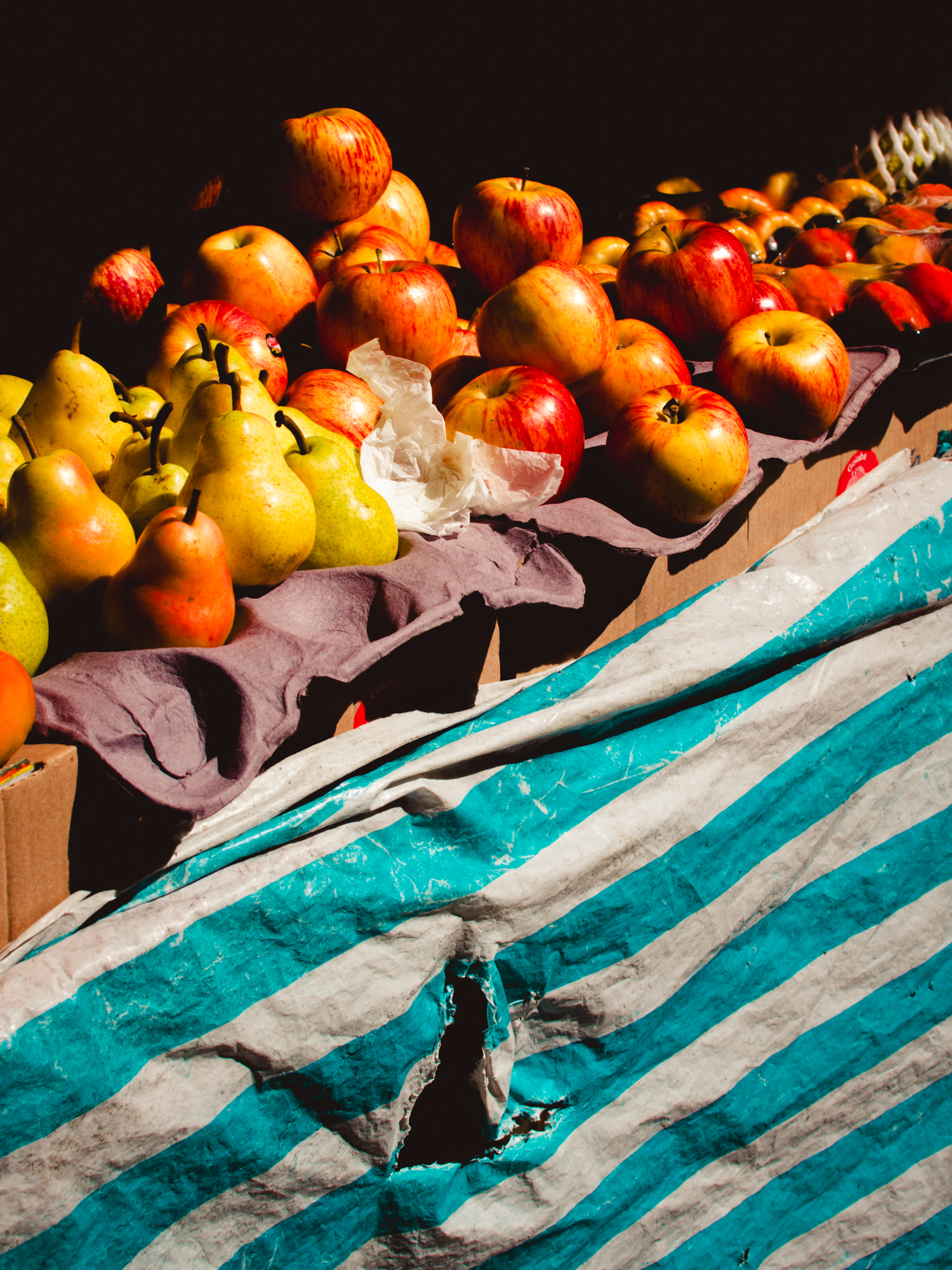
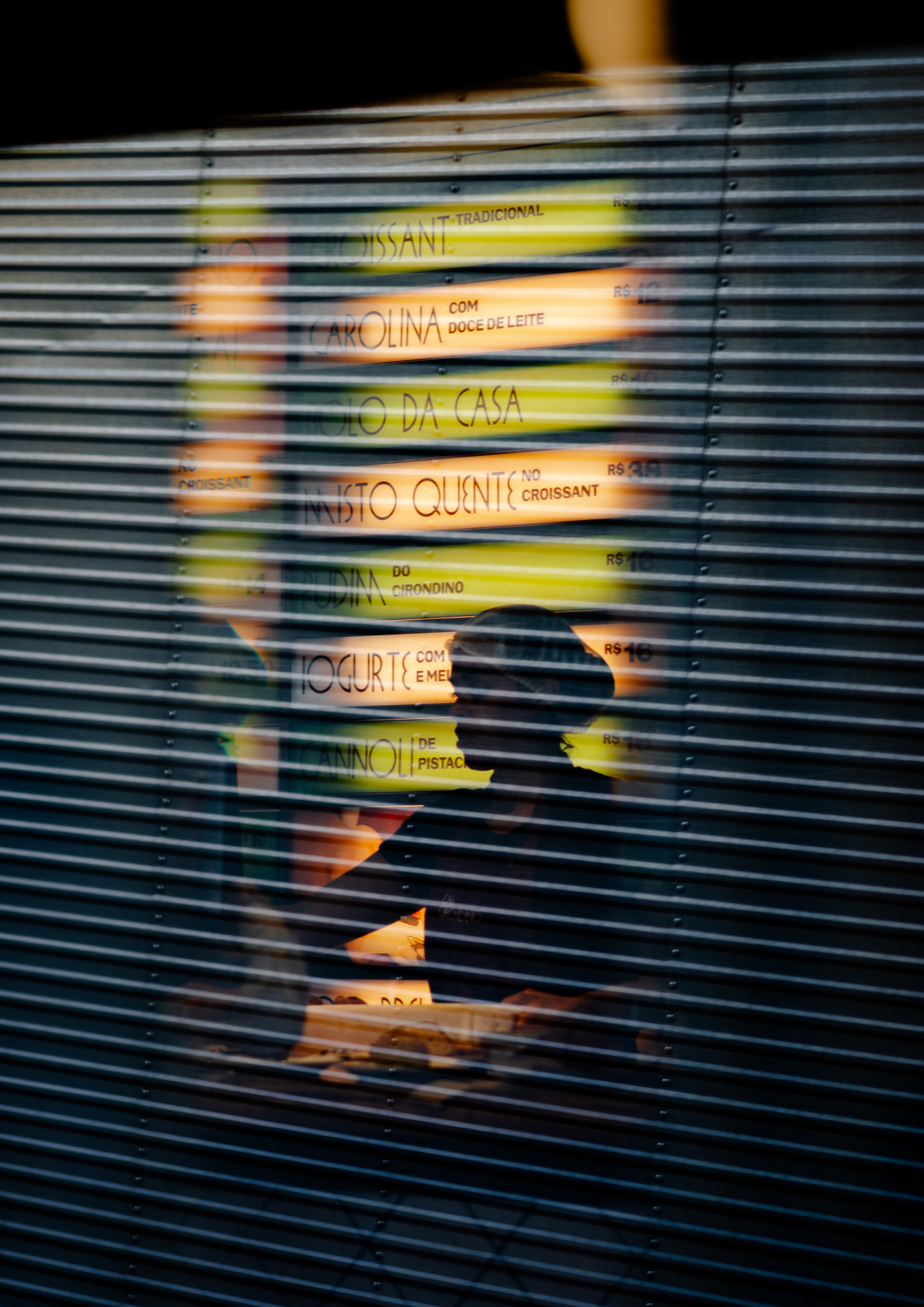
The series Colors of a Grey City proves that São Paulo is not actually grey. The city is often described as overwhelming — too many people, too many cars, too much concrete. Over time, this perception has hardened into something almost unquestioned. Grey becomes identity. Not just visually, but symbolically. A city stripped down to density, speed, and pressure.
Rafa doesn’t argue against this directly. He simply looks elsewhere. The series builds itself through fragments: a figure sitting under a red-striped umbrella, absorbed in a moment that feels both ordinary and strangely isolated; a burst of mural color interrupted by shadow, where visibility itself becomes unstable; a passing gesture against an orange wall, where the city’s surfaces begin to speak louder than its structures. These are not grand statements. They are interruptions.
Color, in this work, is not decoration. It is evidence. It points to what persists despite the constant rewriting of the city. São Paulo is in a state of continuous transformation — shaped by gentrification, by economic pressure, by policies that erase as much as they build. Entire neighborhoods shift, histories disappear, and what remains is often flattened into something neutral, manageable, controlled. Grey, in this sense, becomes a symptom.
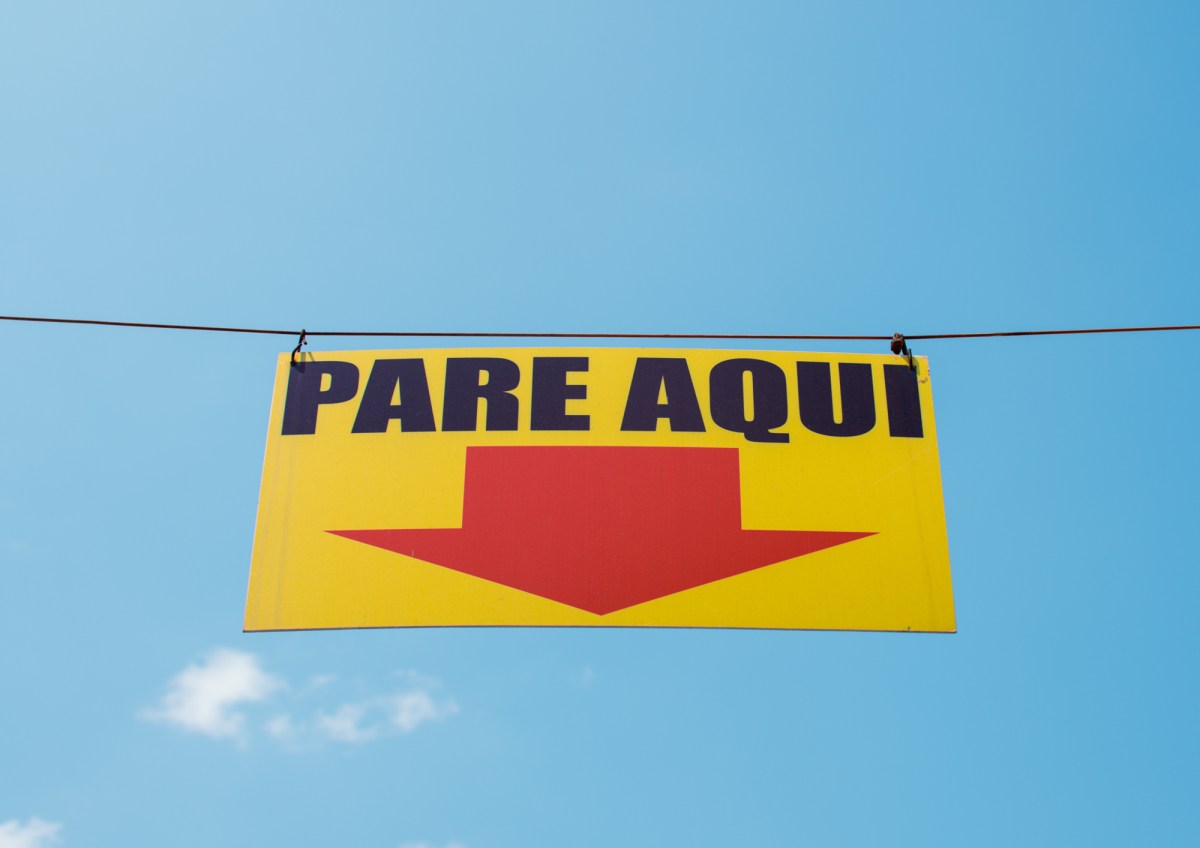
Colors of a Grey City does not try to reconstruct the city or romanticize it. It pays attention to what escapes the dominant narrative — the details that resist being absorbed into uniformity. Tarps, fruits, clothing, light, blue sky. Moments that exist briefly, but insist on being seen.
There is a looseness to the way Rafa works. The images feel guided by chance, by proximity, by being in the right place without overthinking it. You get the sense that forcing the image would ruin it. So he doesn’t.
Rafa himself avoids over-explaining the project. What matters to him most is how it travels — how it resonates across different places and audiences. The series has moved through Latin and North America, Europe, Japan, and Brazil, connecting in ways that are not entirely predictable. Which makes sense, because the work itself is built on noticing what is usually overlooked. At its core, this is not a project about color versus grey. It is about visibility. About the quiet persistence of things that do not fit into a controlled image.
And maybe that’s the interesting part. The city is not actually grey. It just pretends it is.
All photos © RAFA ROJAS
To see more of his photography visit his website or his Instagram page.

