

ANTONIO NARDO
// For Italian photographer Antonio Nardo, photography is more than a creative practice—it’s a personal path, an emotional compass. Antonio has explored many genres over the years—from landscapes to portraits and street photography—but it is his instinctive, reflective approach that ties his work together. His latest series, The House of Tibet, is no exception.
Antonio was born near Milan, and his family moved between Calabria and Reggio Emilia in search of stability. He first encountered photography as a child with a small analogue camera, capturing holidays and concerts without much thought to where this impulse might one day lead. “It was probably an unconscious love,” he reflects. It wasn’t until fifteen years ago that he began to study photography in earnest, joining local photography groups, enrolling in courses, and gradually carving out his own artistic path.
Today, Antonio is known for his quiet, visual storytelling—whether working in landscapes, portraits, or documentary and street photography. He has exhibited in Reggio Emilia and has been published internationally, including in L’Oeil de la Photographie in France. Yet, for all his public accomplishments, it’s his deeply personal connection to The House of Tibet that defines his most recent work.
“to see well, one should learn to become deaf and dumb.”
Henri Cartier-Bresson
What draws you to the arts?
My approach to art is instinctive and profound, I like to identify with those who wanted to leave a message. Sometimes I feel it as something that elevates my spirit and makes me a better person.
What did you like best about this photography project?
What I like most about this photographic project is the memory of my mother, when I lost her I spiritually took refuge in this place that gave me the spiritual strength to overcome this loss.


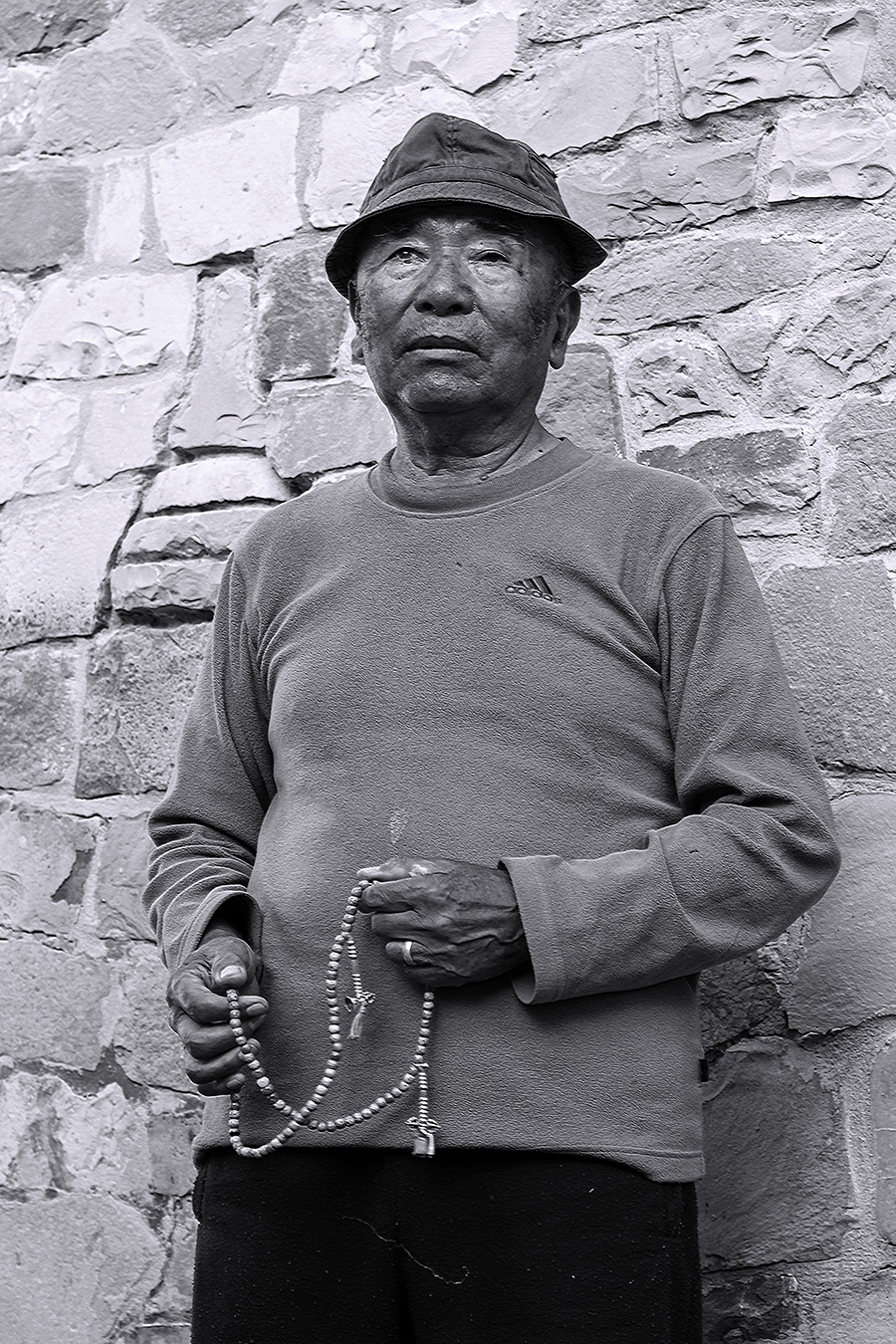
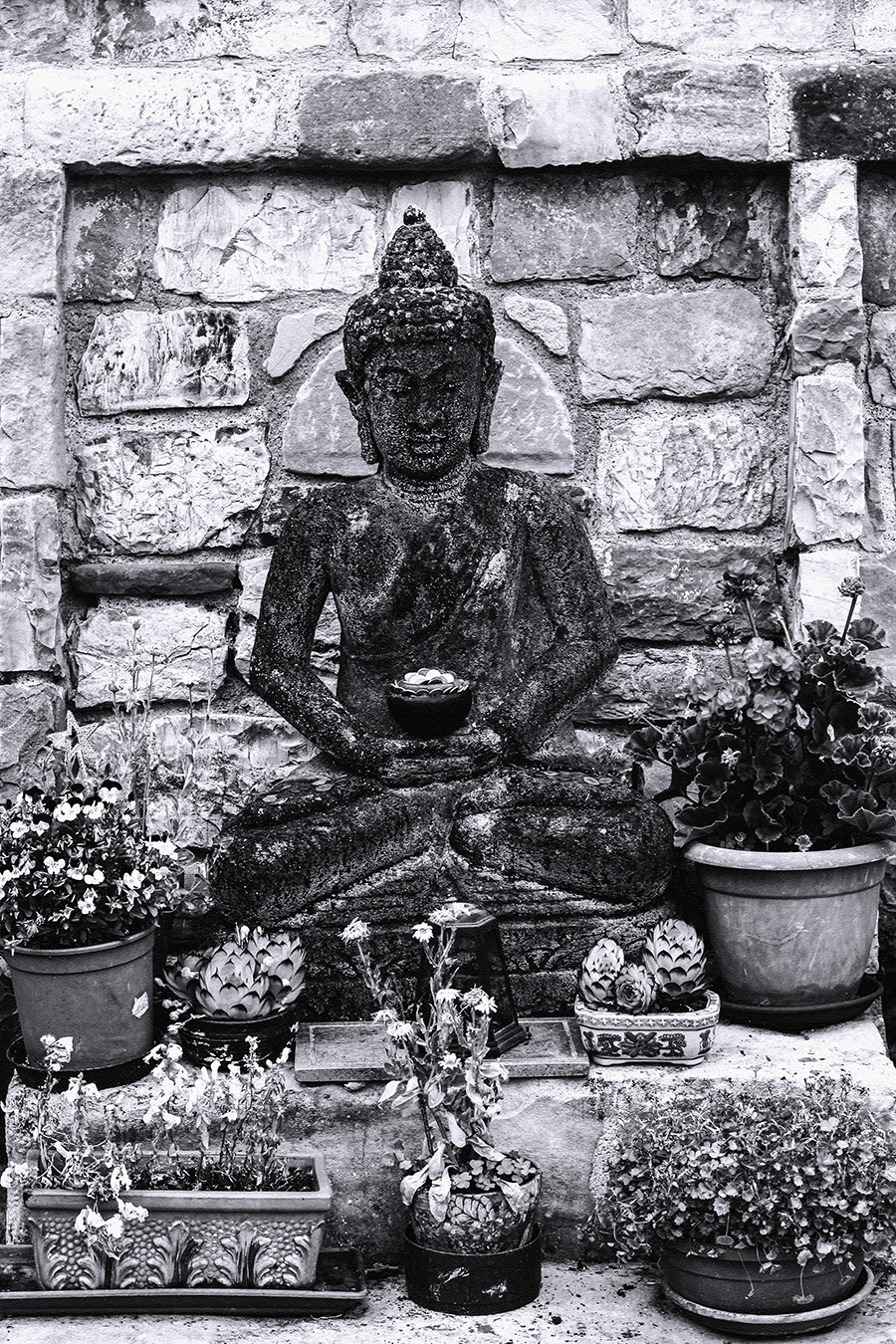

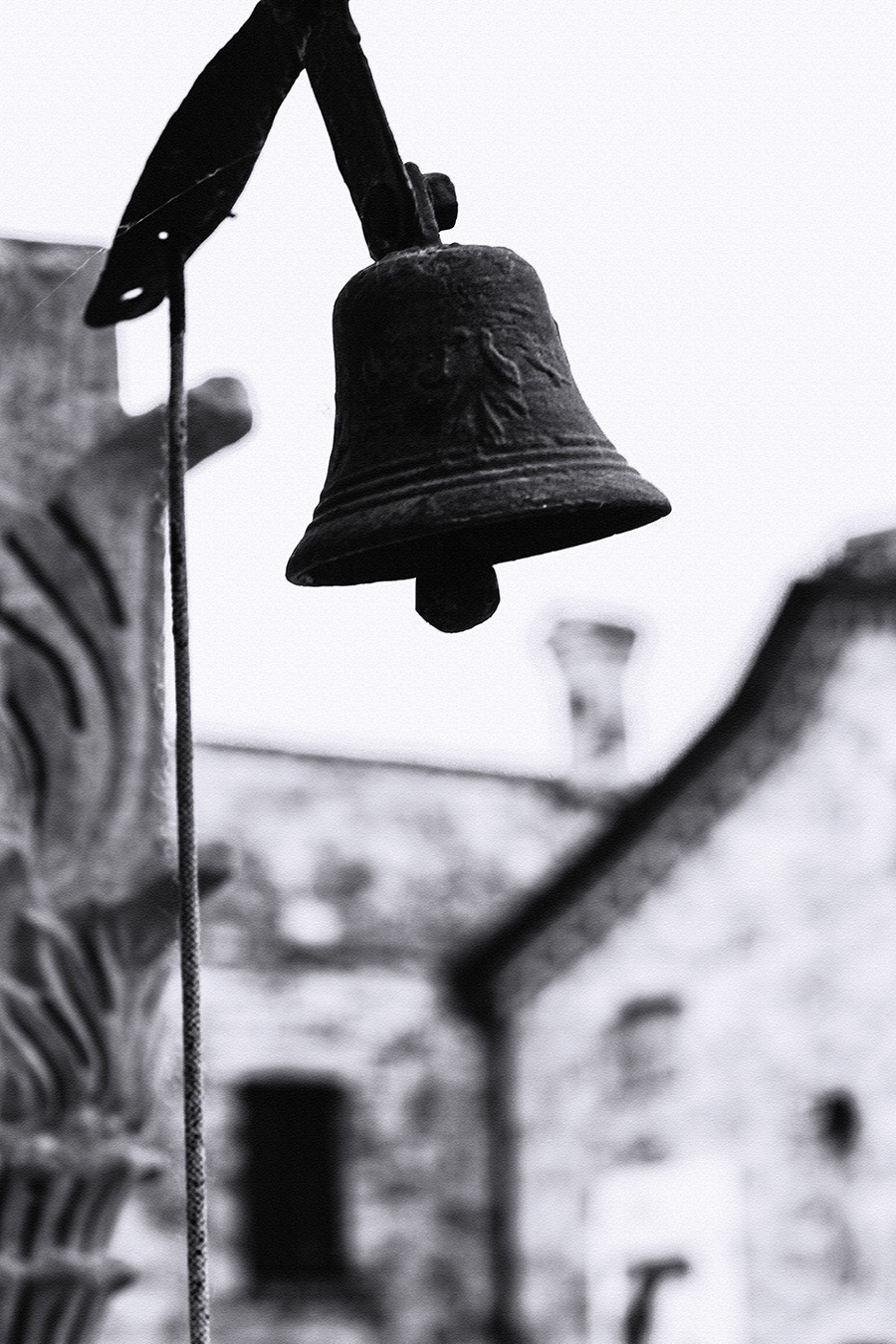
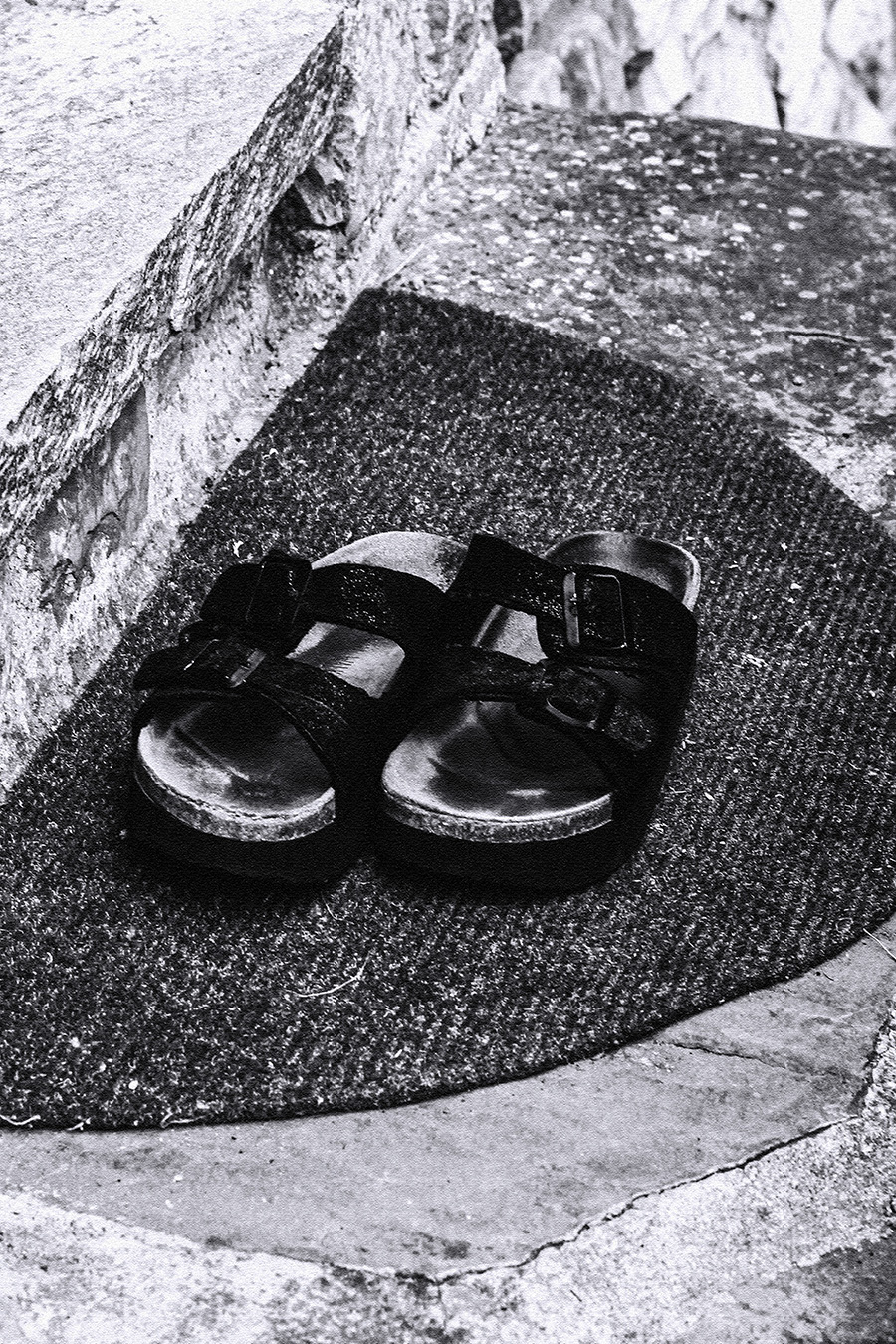
At first glance, The House of Tibet might seem like a visual study of a remote, peaceful village nestled in the Reggio Emilia Apennines. But behind the images lies something far more personal—a journey of grief, memory, and quiet rediscovery, seen through the eyes of the photographer. This body of work is rooted in a deeply personal journey.
After losing his mother, Antonio found solace in a small hilltop village called Votigno di Canossa, home to the cultural centre known as The House of Tibet. “This place gave me the spiritual strength to overcome the loss,” he says. “I turned to this place in the most difficult moment of my life,” Antonio shares. The House of Tibet is a place where the soul quiets down like a transparent lake, calm and deep.
With instinctive elegance, Antonio captures the stillness, texture, and gentle symbolism of this sacred space, where memory and serenity meet in subtle visual meditations. His monochrome work, rooted in emotion and quiet observation, reflects a profound connection to art, loss, and spiritual grounding.
His connection to the space is visible in every frame: each shadow, each still object, speaks of pause, of presence, and of remembrance. These are images that observe rather than intrude, reflecting a photographer attuned to the silence between forms. Shot in evocative black and white, the work captures a spiritual retreat in the hills of the Reggio Emilia Apennines with quiet reverence and emotional depth.
The House of Tibet itself is a singular place—both historically significant and culturally rich. Founded in 1990, the centre is the first Tibetan House in Europe and the fourth in the world, following New Delhi, Mexico City and New York. Inaugurated by the Dalai Lama himself in 1999, it is recognised by the Tibetan Government and continues to be a beacon for intercultural dialogue and the preservation of Tibetan traditions.
With a museum housing rare cultural and religious artefacts, and a mission to support Tibetan communities through education and healthcare, the centre extends far beyond its serene stone courtyards.
Through Antonio’s lens, this place becomes a space of quiet transformation. His monochrome palette adds to the timeless quality of the series—simple, textured, and contemplative. The detail of a statue weathered by time, the softness of worn sandals on stone, the presence of absence—his photos elevate the everyday and invite the viewer to pause, to breathe, to see. The quality his images possess is a kind of listening stillness, one that honours memory and moment in equal measure.
Located in the village of Votigno di Canossa, The House of Tibet is more than a cultural centre. It was the first officially recognised Tibetan House in Europe, inaugurated by the Dalai Lama in 1999. It houses a museum of rare artefacts and is dedicated to preserving the millennia-old traditions of Tibetan culture, while fostering global dialogue and humanitarian outreach.
His monochrome images of this sacred space—weathered statues, worn sandals, stone paths—are more than documentation. They are fragments of emotion, loss, and spiritual resonance. Quiet compositions and rich textures draw viewers in, inviting them not just to see the place, but to feel what it has meant to them.
With this photographic work, Antonio tells the story of a place—where image becomes offering, and where memory, culture, and spirit converge.
All photos © ANTONIO NARDO
To see more of his photography visit Antonio´s Instagram page.
 SPECTACULUM MAGAZINE