THAT´S HOW IT IS
(IF IT SEEMS SO TO ME)
LUISA MONTAGNA
// Italian photographer Luisa Montagna crafts visual universes that blur perception, reality and memory. Her series “That’s how it is (if it seems so to you)”, a title borrowed with playful intent from Pirandello, guides us into an ethereal dimension where the line between what is and what appears becomes elegantly indistinct.
Luisa’s journey into photography began later in life, catalysed by a gift from her husband—a camera that initially served as a tool for capturing holiday moments. But a hiatus due to health issues unexpectedly transformed her relationship with the medium.
The advent of lightweight mirrorless cameras allowed her to return to photography, this time with a deepened vision. “From that day on,” she recalls, “I never stopped photographing.”
For Luisa, art is about reaching into the emotional depths of being: “It is certainly experiencing sensations and emotions that come from deep within me,” she says. Through photography—and more broadly through the arts—she discovers and constructs new interior geographies.
Her images have already been recognised in international competitions and are increasingly being seen in group exhibitions. With this series, Luisa opens doors to alternate sceneries, where personal perception becomes the only reliable guide.
“Reality is not what it is, but what it seems.”
Luigi Pirandello
What draws you to the arts?
It is definitely experiencing sensations and emotions that come from deep within me.
What do you like best about this project?
Certainly being able to create new worlds that bring the user into a new scenery.
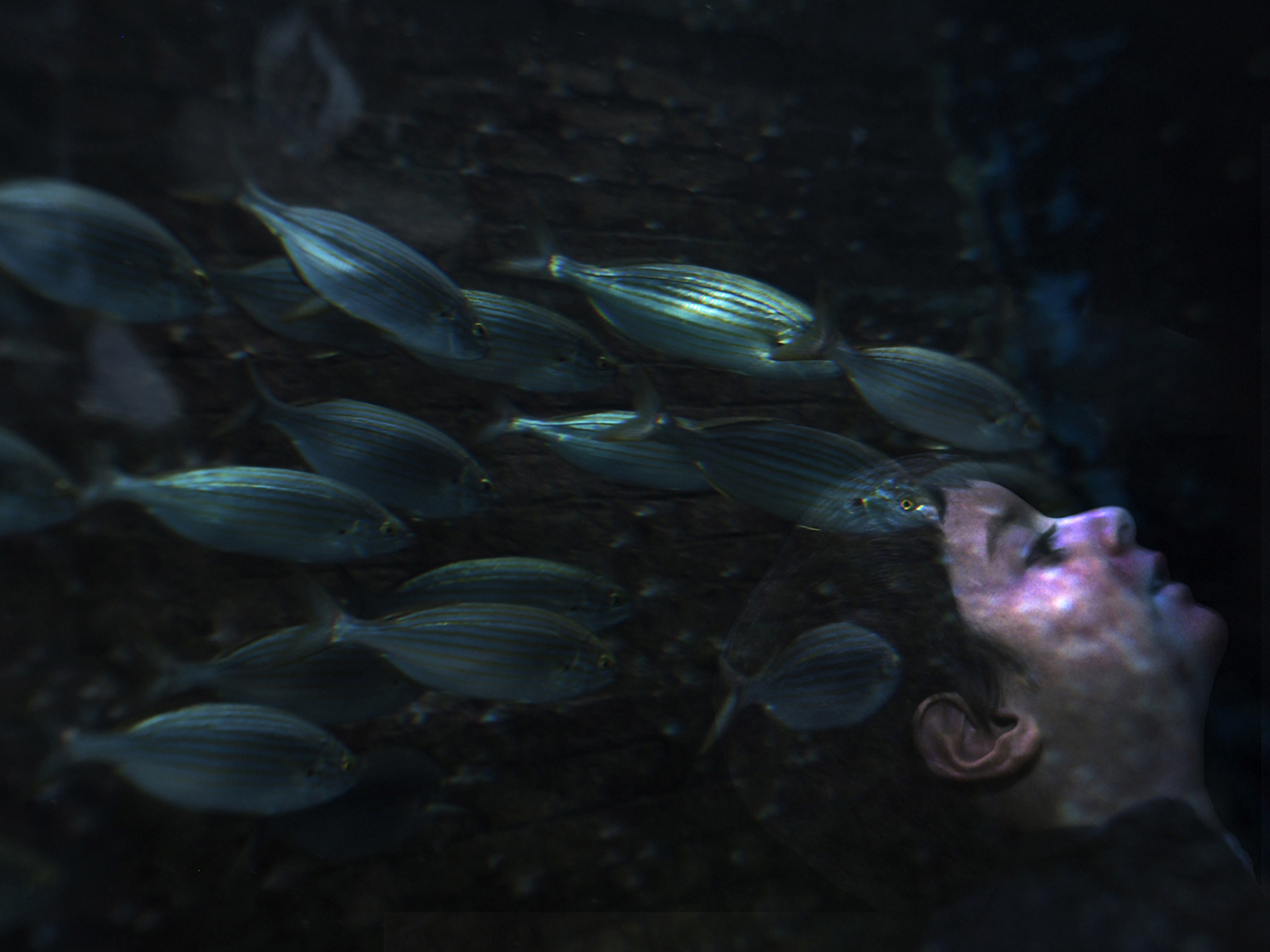
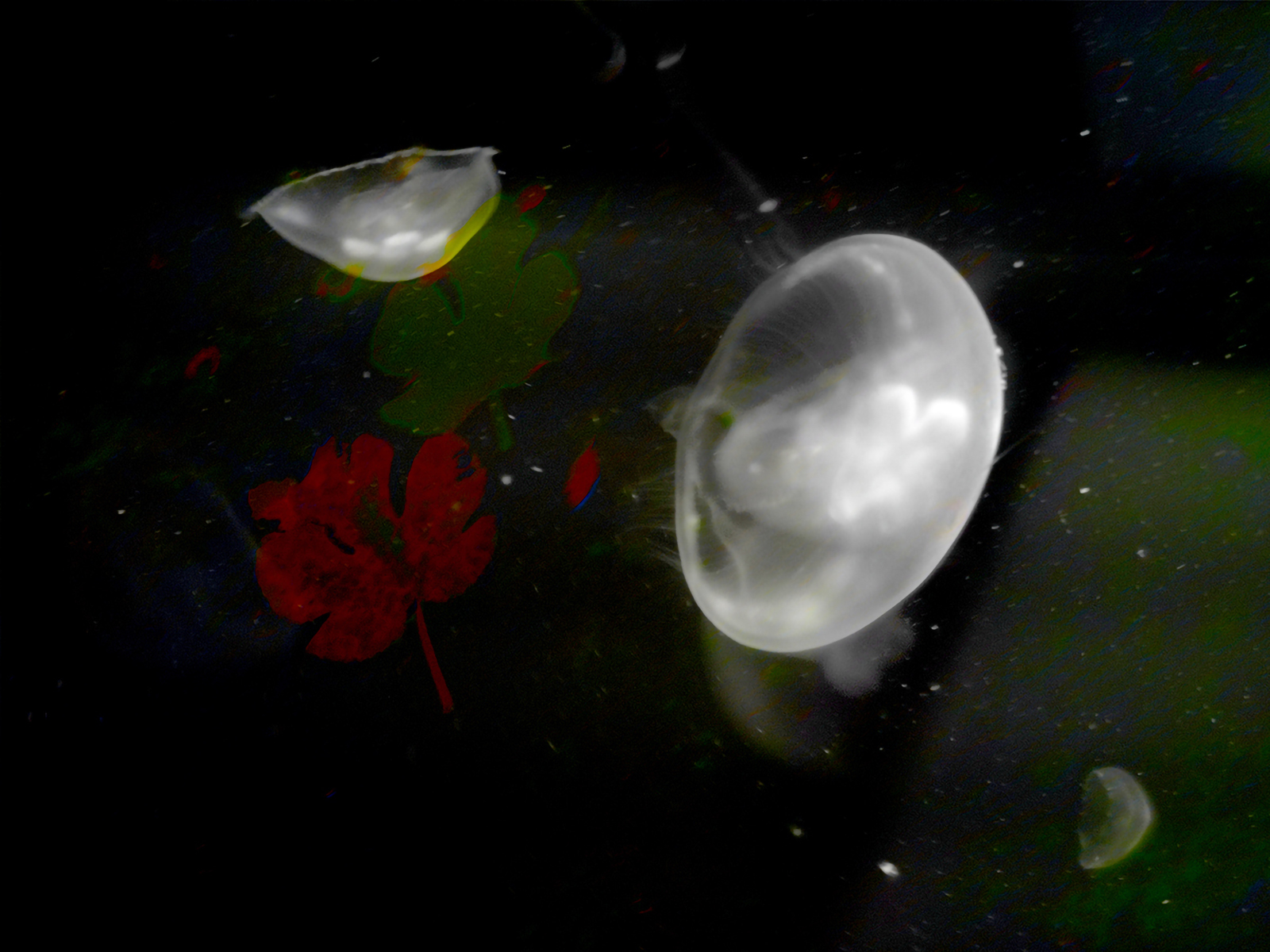
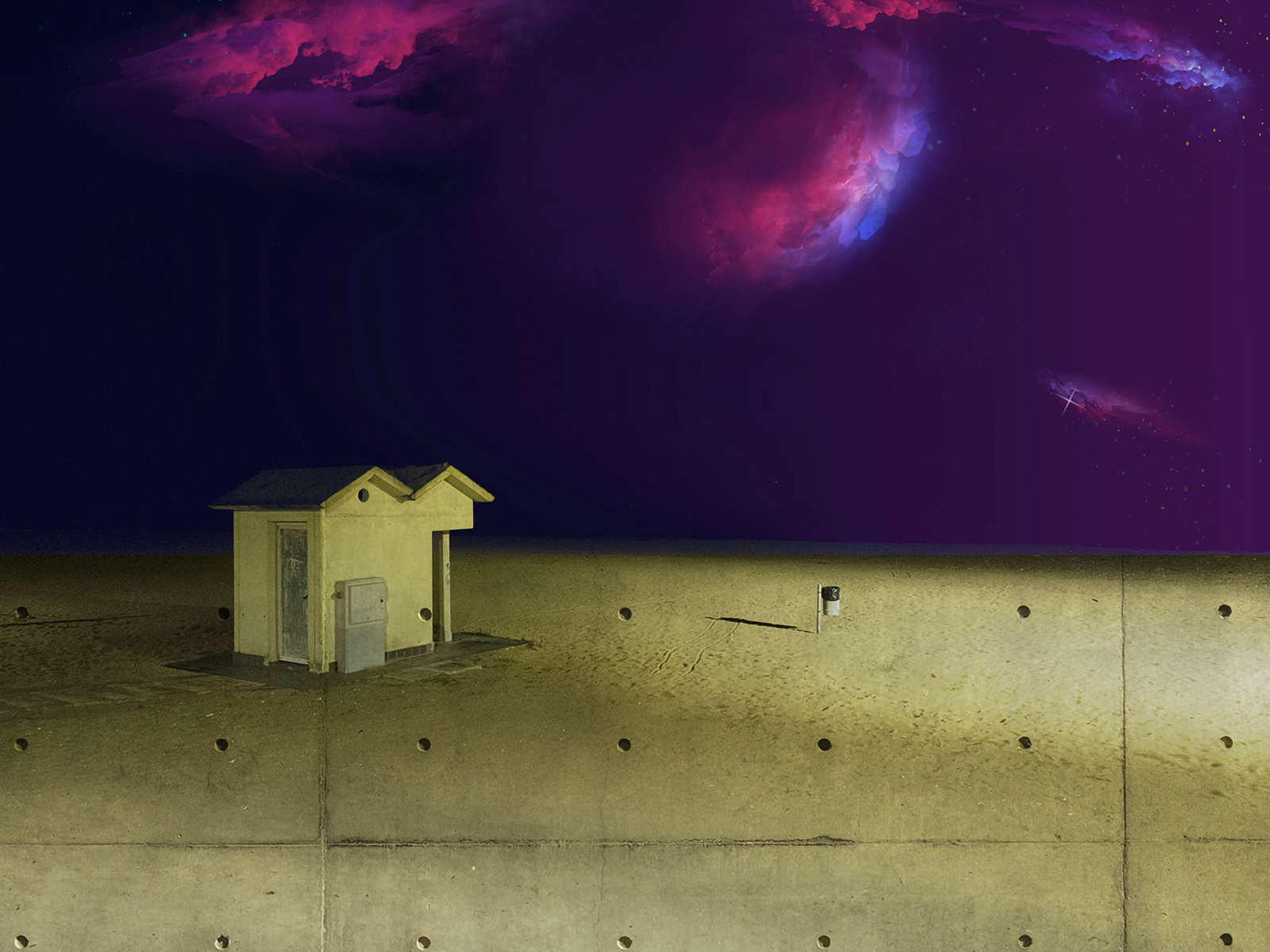
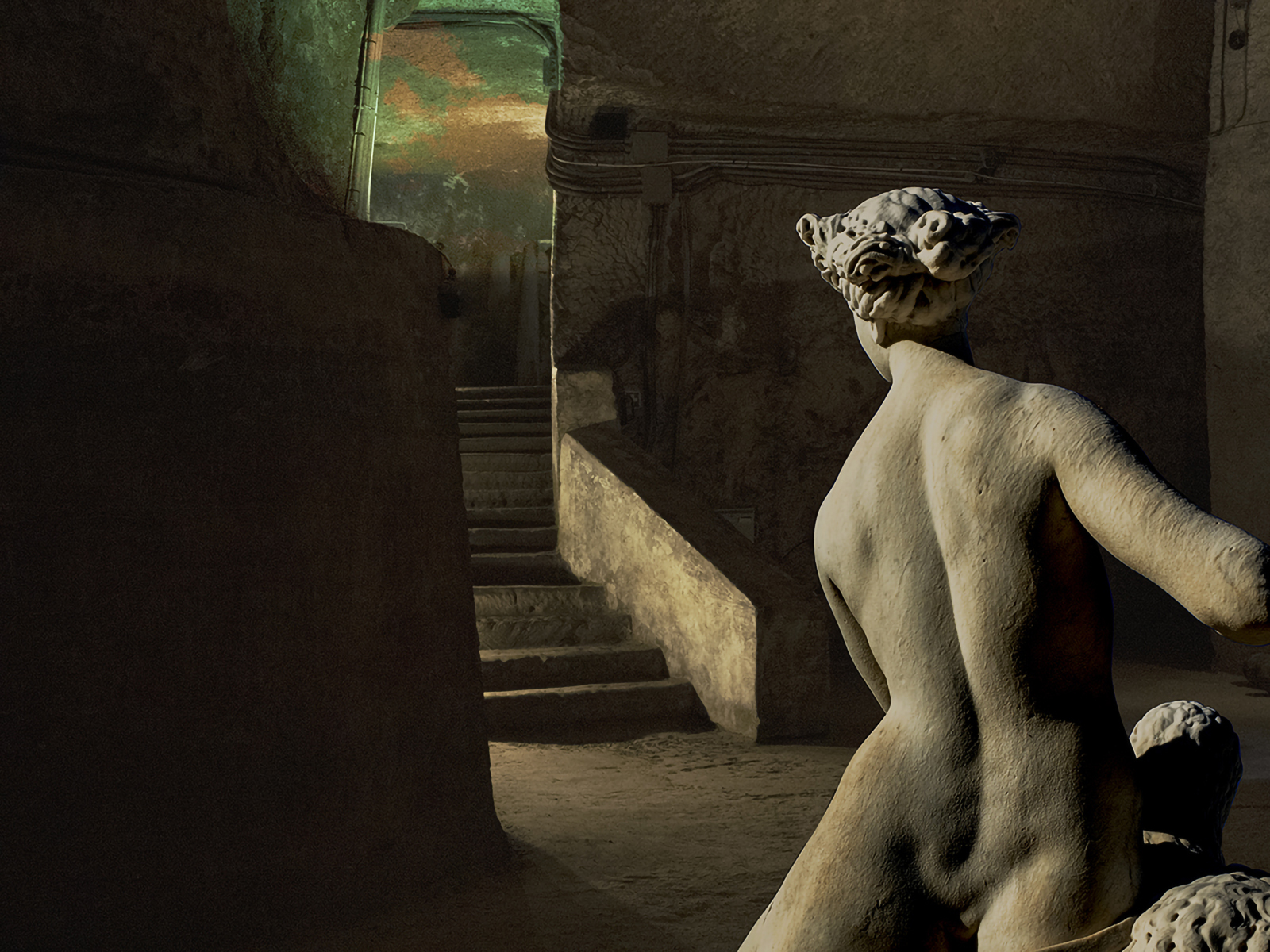
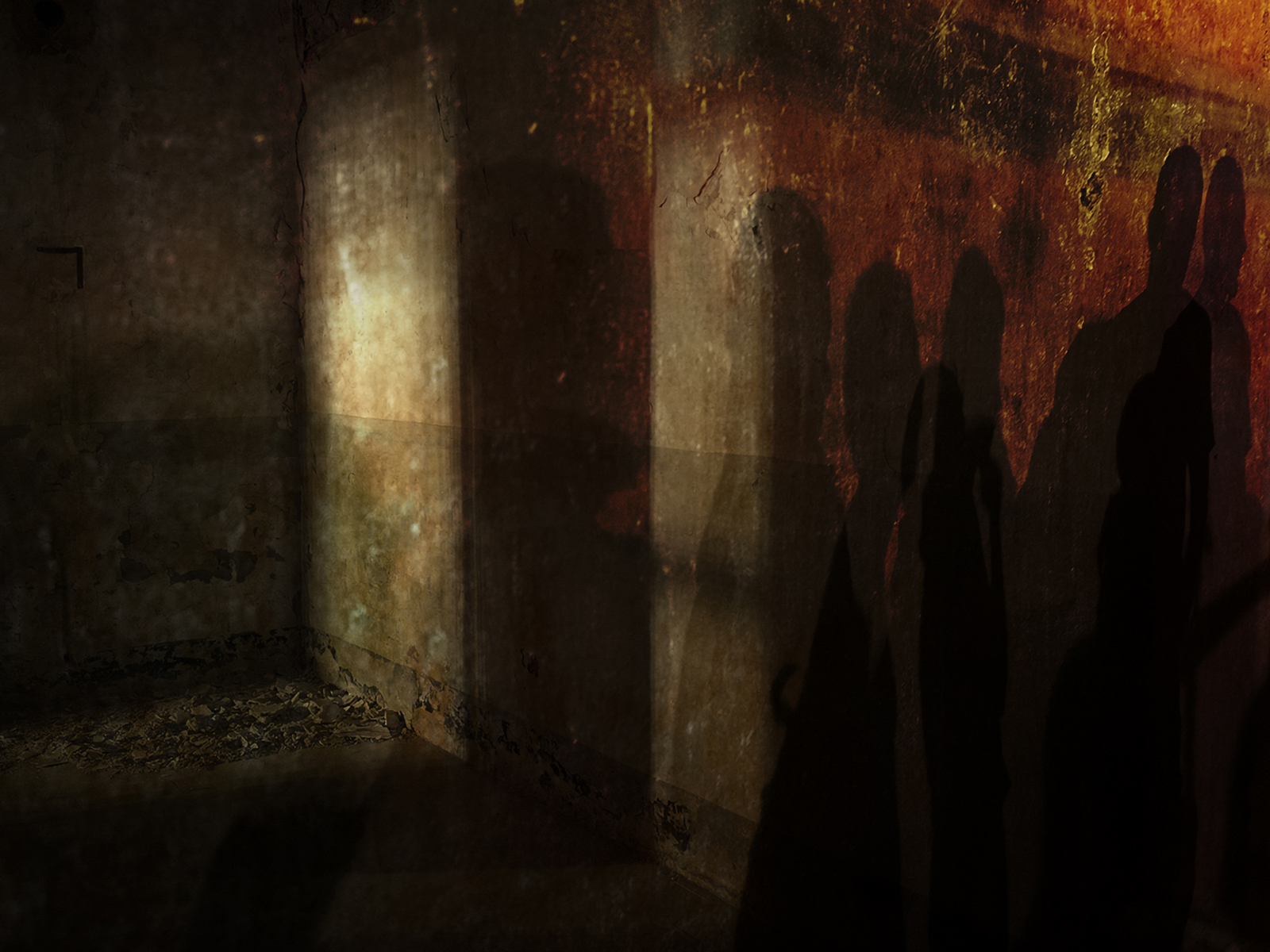
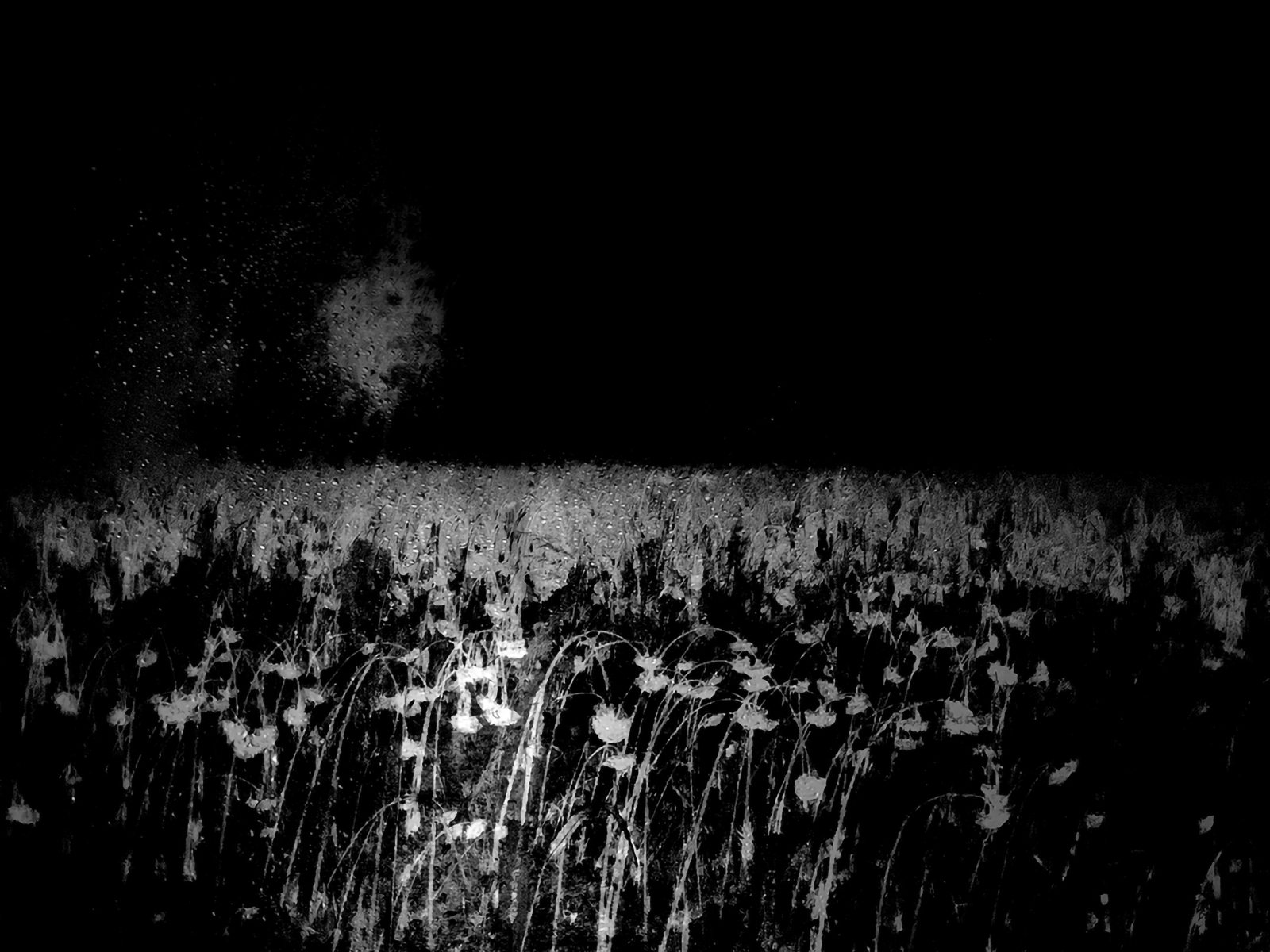
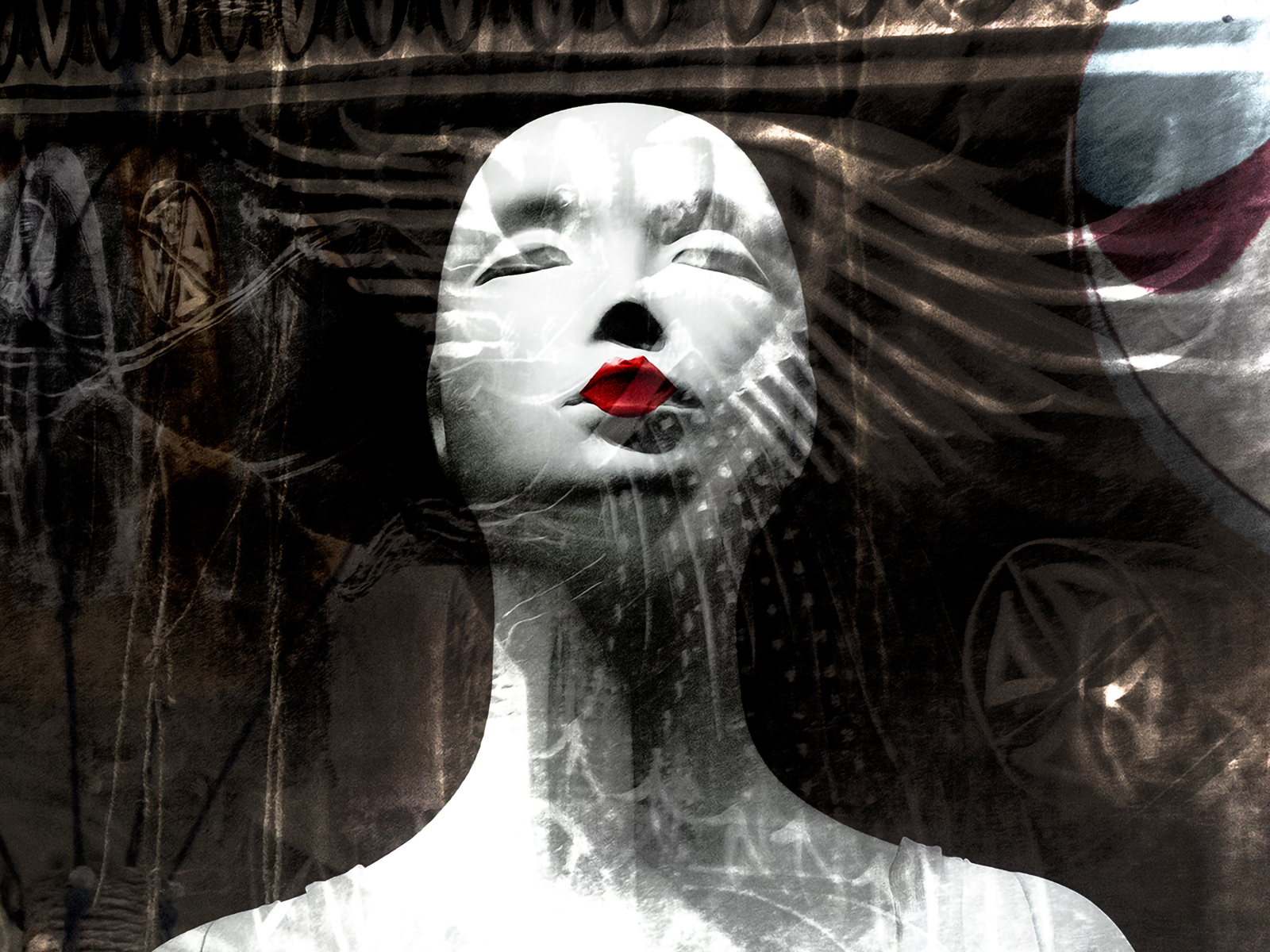
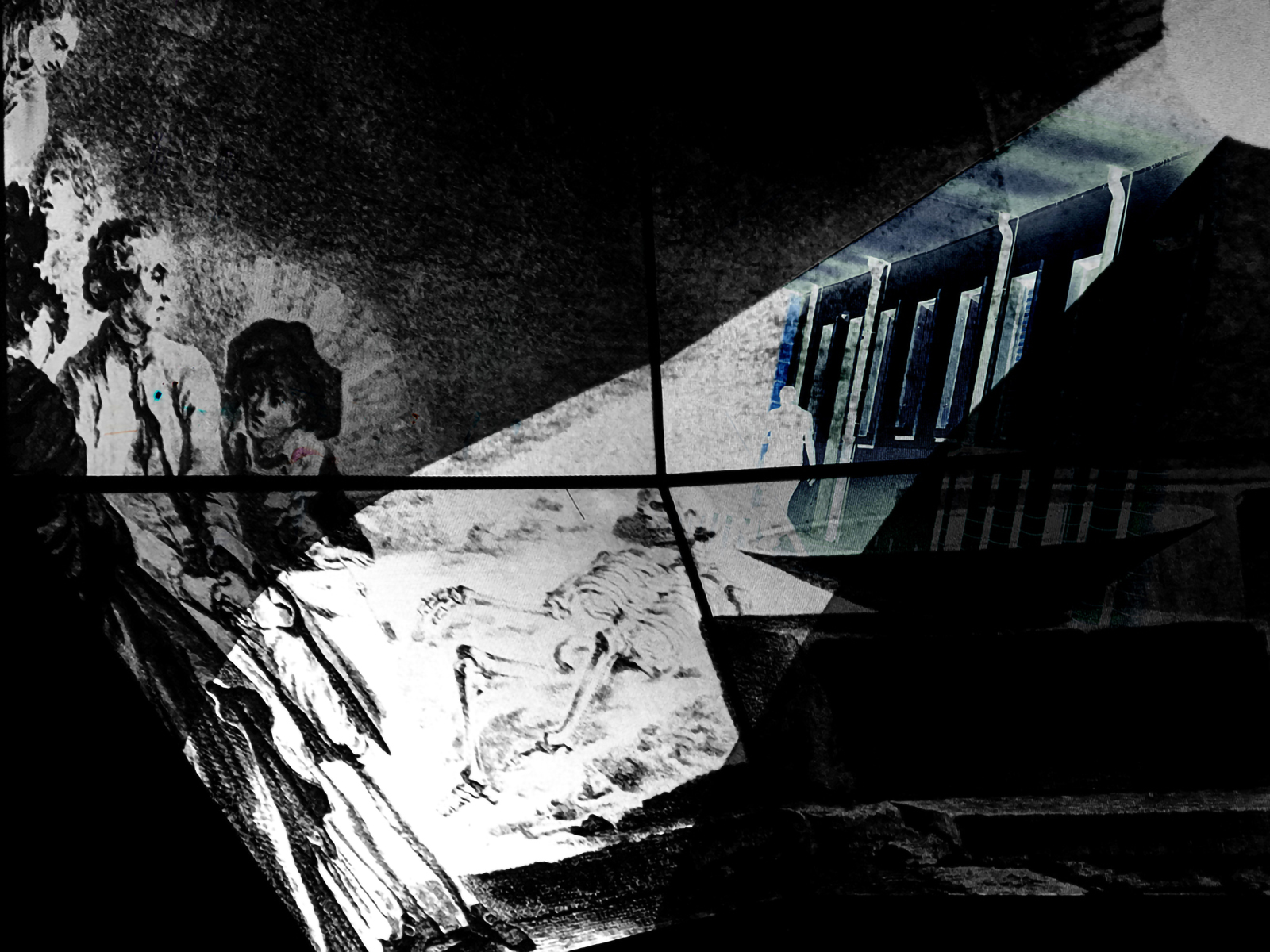
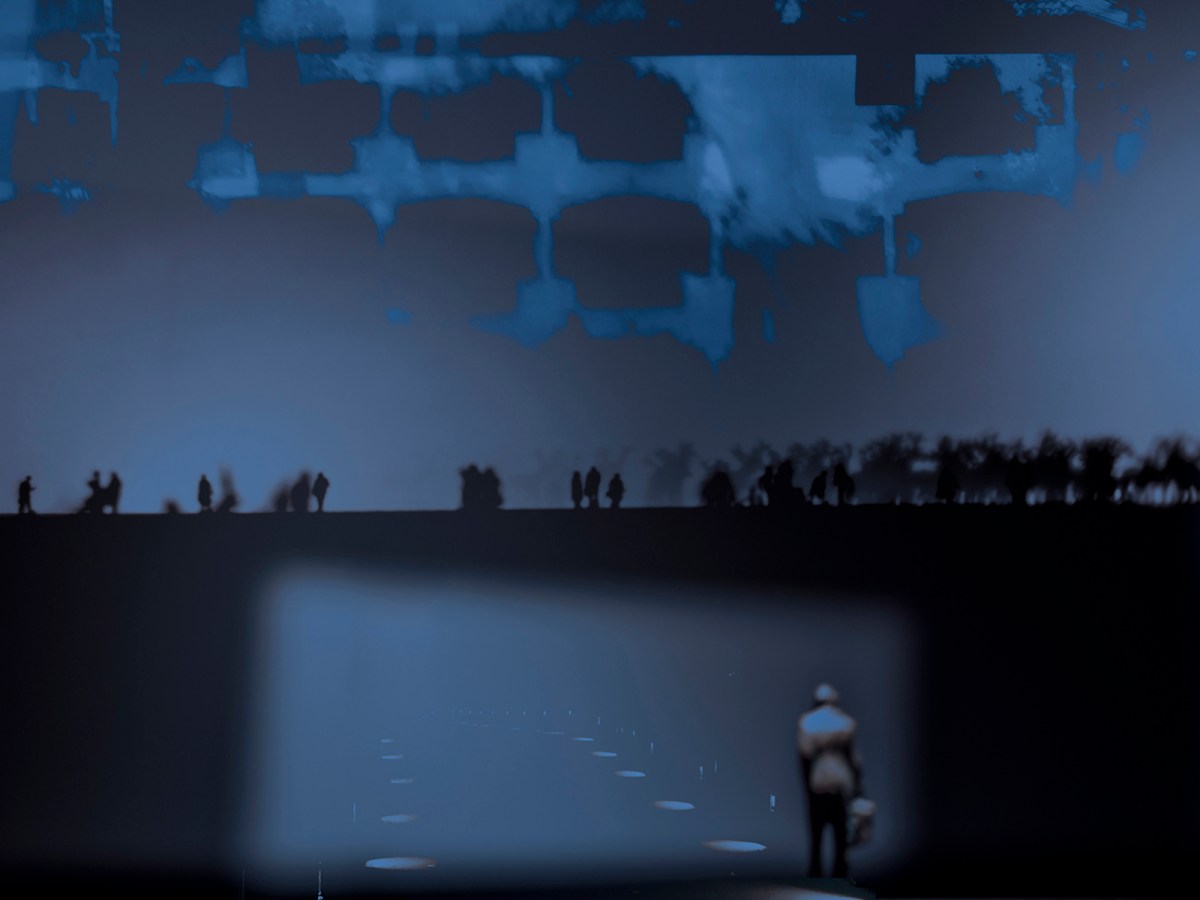
In her evocative photo series That’s how it is (if it seems to you), Italian photographer Luisa invites viewers into layered dimensions of perception and meaning. Taking its title from Luigi Pirandello’s seminal 1917 play Così è (se vi pare), the work dwells in a space where vision and interpretation blur—where what we see is always shaped by how we choose to see it. Pirandello delves into the idea that reality is shaped by individual perceptions, and what one person holds as true may differ entirely from another’s perspective. This theme is exemplified in the play’s narrative, where characters grapple with conflicting versions of the truth, each believing their own to be the absolute reality. The play suggests that the search for an objective truth is often futile, as reality is inherently subjective.
The series is a visual meditation on perception. For example, in Camera con vista, a classical sculpture seems to watch over an ancient stairway glowing with surreal green light, as though guarding a passage into an inner world.
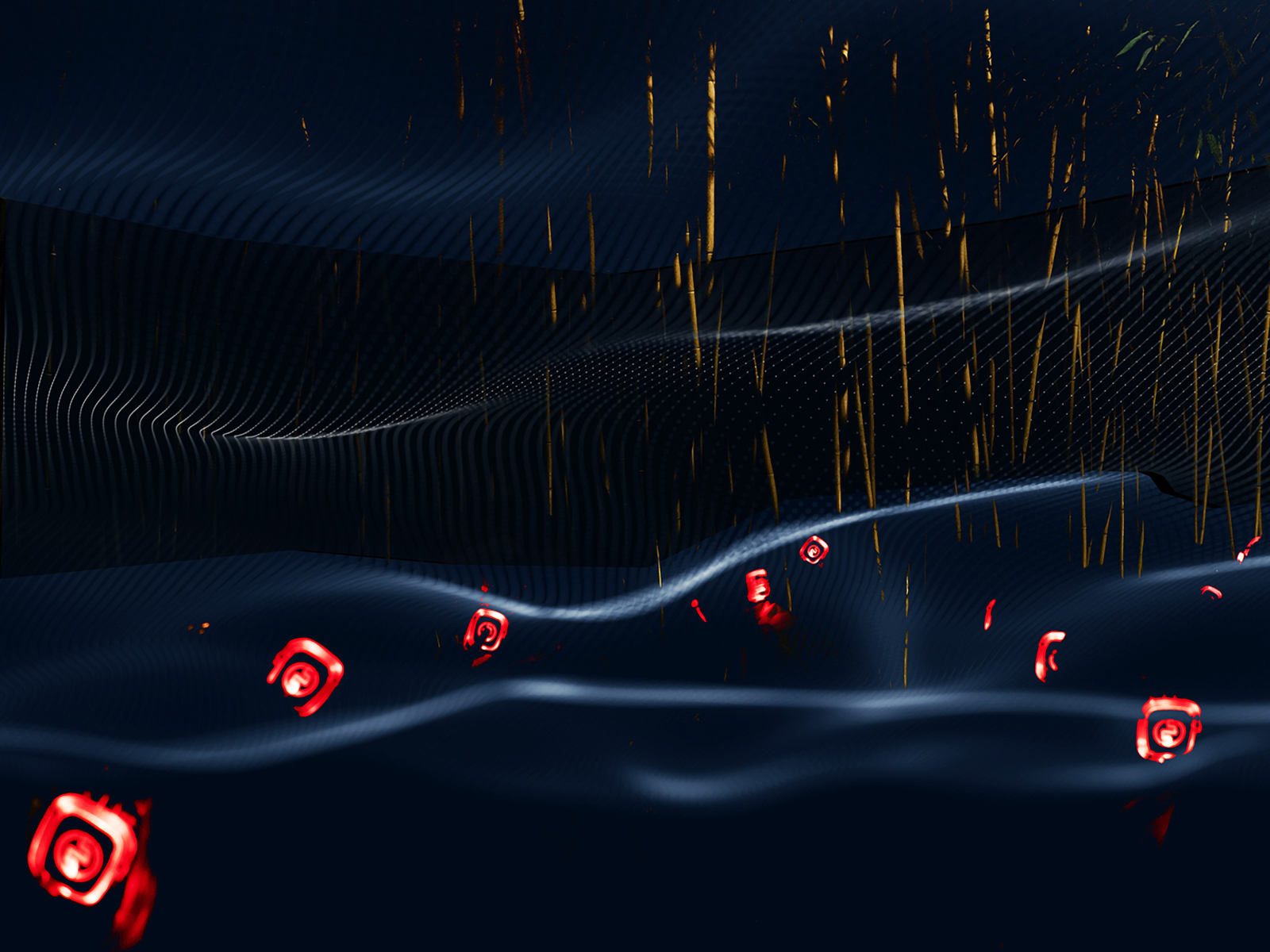
In Onde, digital pulses of crimson and electric blue ripple through the image like sound waves, evoking an oceanic cosmos. And in Terracqueo, ghostlike jellyfish drift over floral shadows—dreams within dreams.
Luisa´s creative process is at once methodical and poetic. She overlays two of her own photographs—often dramatically different in tone or subject—and fuses them until a new world emerges.
The resulting images are dreamlike, elliptical, and enigmatic, hovering between abstraction and narration. Through this approach, she explores the unknowability of what we take for reality: “Reality is not the most important thing,” she says. “What is important is to have one’s own view of reality.”
All photos © LUISA MONTAGNA
Please visit Luisa´s website and also her Instagram page.
 SPECTACULUM MAGAZINE