
LORENZO VITALI
// Lorenzo Vitali has built a long, coherent body of work rooted in formal research, material awareness, and a disciplined conceptual approach. What distinguishes Vitali’s work is not subject matter per se, but method. He approaches photography as a form of visual analysis: observing structures, surfaces, and spatial relationships with almost architectural precision. His practice consistently balances classical visual language with a contemporary, experimental sensibility.
Creative and experimental, always attentive to new artistic proposals in his environment, Lorenzo develops the aesthetic sense of his works by combining classic elements and innovation. He pays particular attention to shapes and materiality.
Working and living in Milan, he has published widely in Italy and internationally, exhibited in numerous solo and group shows, and received a remarkable number of awards across major fine art photography platforms. Whether working in urban or rural contexts, in Italy or abroad — notably in New York — his interest lies in how space is constructed, inhabited, and perceived.
Form and materiality are not aesthetic choices; they are the conceptual backbone of his images.
This commitment has shaped a career marked by formally rigorous series such as They Have Gone, Strangerland, Vanishing Venice, and Signs of Spirituality, many of which have been widely awarded and published. Across these projects, Lorenzo returns again and again to built environments as carriers of memory, absence, and human imprint. The photograph, for him, is less a document than a measured act of seeing.
“Nature is not on the surface; it is in depth.”
Paul Cézanne
What draws you to the arts?
Although photography is the synthesis of my artistic expression, I really love painting, from which I often draw inspiration. I especially admire those artists who know how to innovate and this goes for photography, painting and any form of art. The visual arts involve me in a particular way, arousing different emotions in me every time.
What do you like best about this project?
What I appreciated most about Stone Tales was the possibility of working in a landscape where architecture, geology, and human presence are inseparable. The Itria Valley offers structures that are not imposed on the land but emerge from it, carrying traces of very ancient forms of life and settlement. Photographing trulli and masserie allowed me to reflect on continuity rather than on history — on how certain shapes, materials, and spatial solutions persist across centuries, almost unchanged.
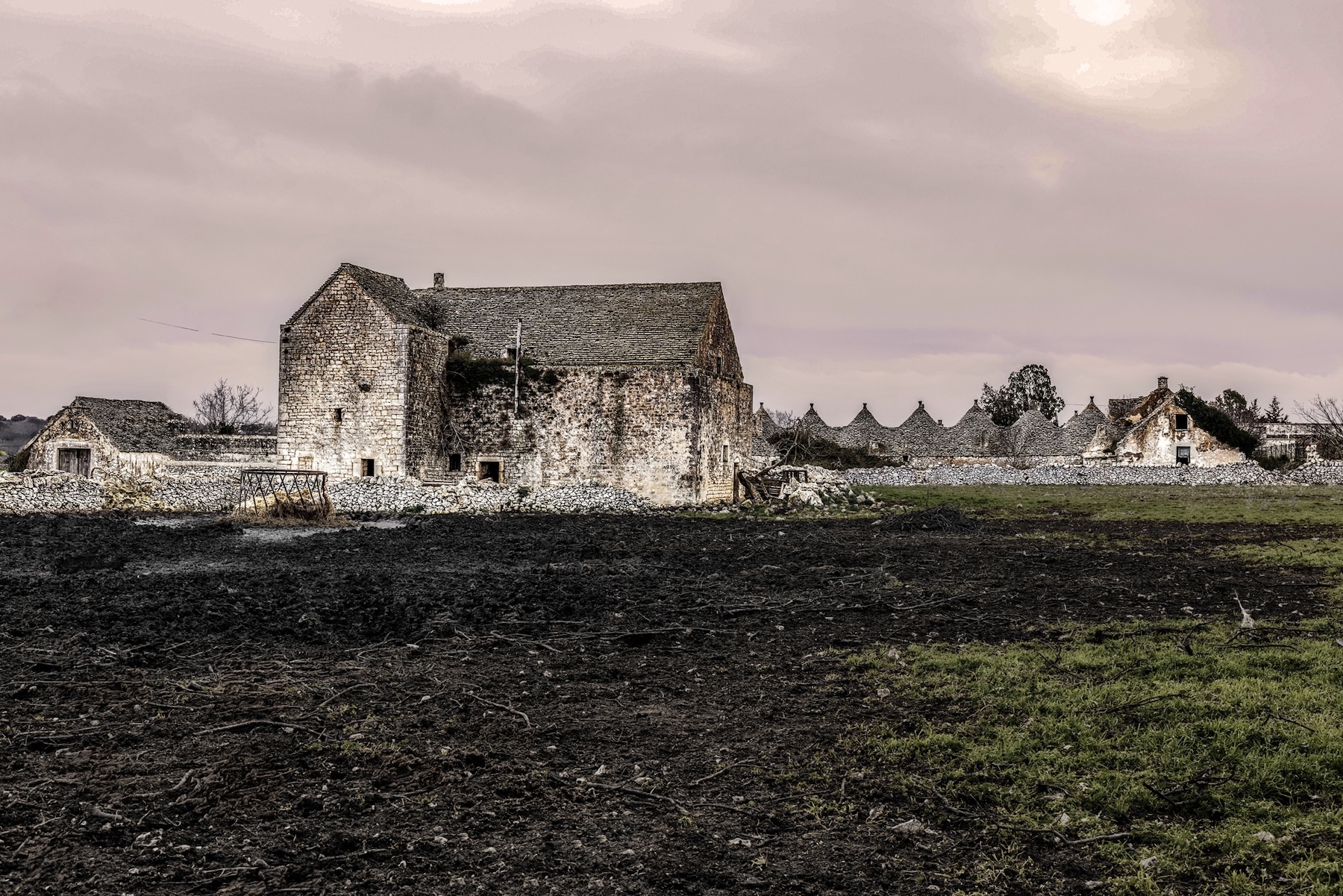
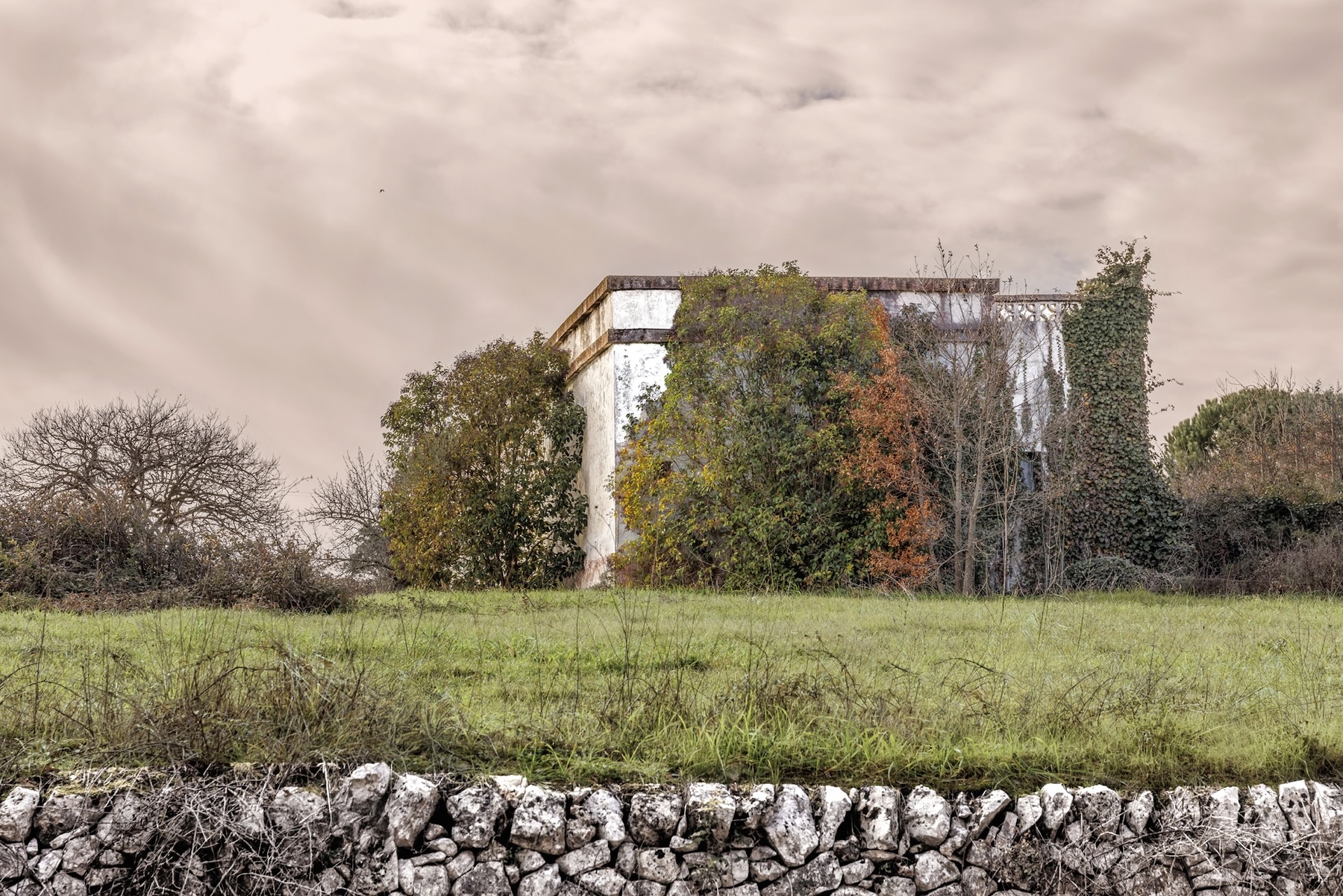


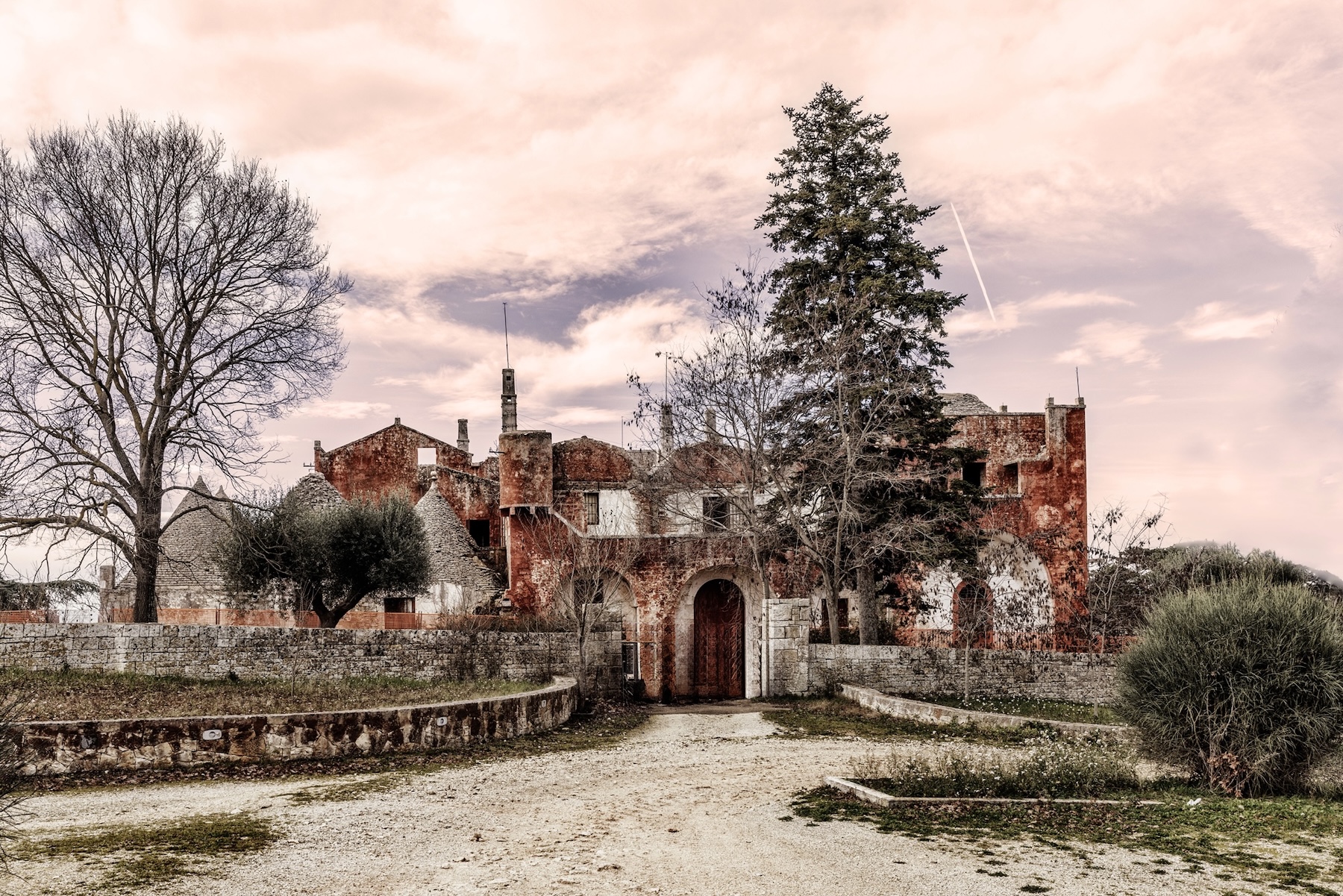
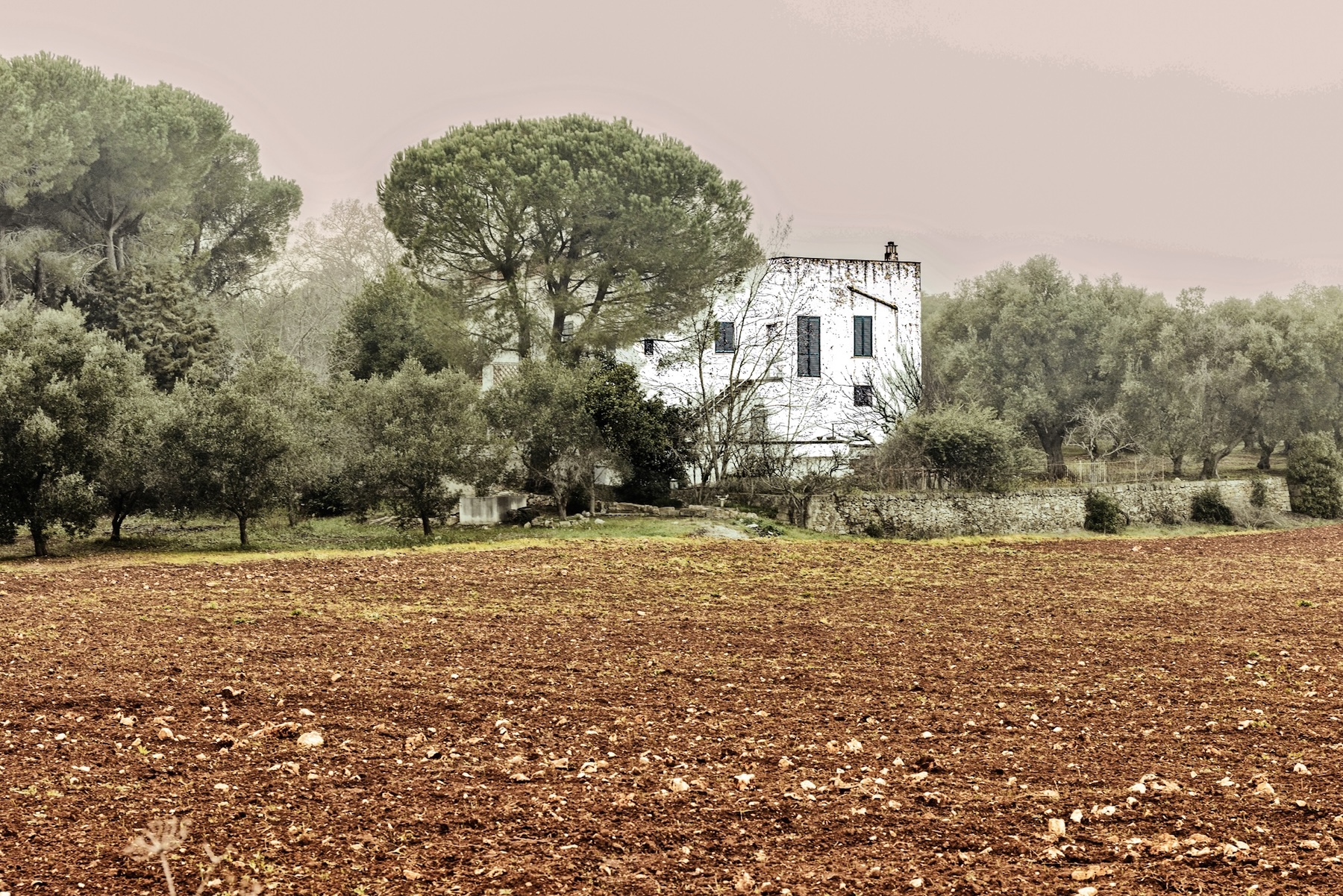
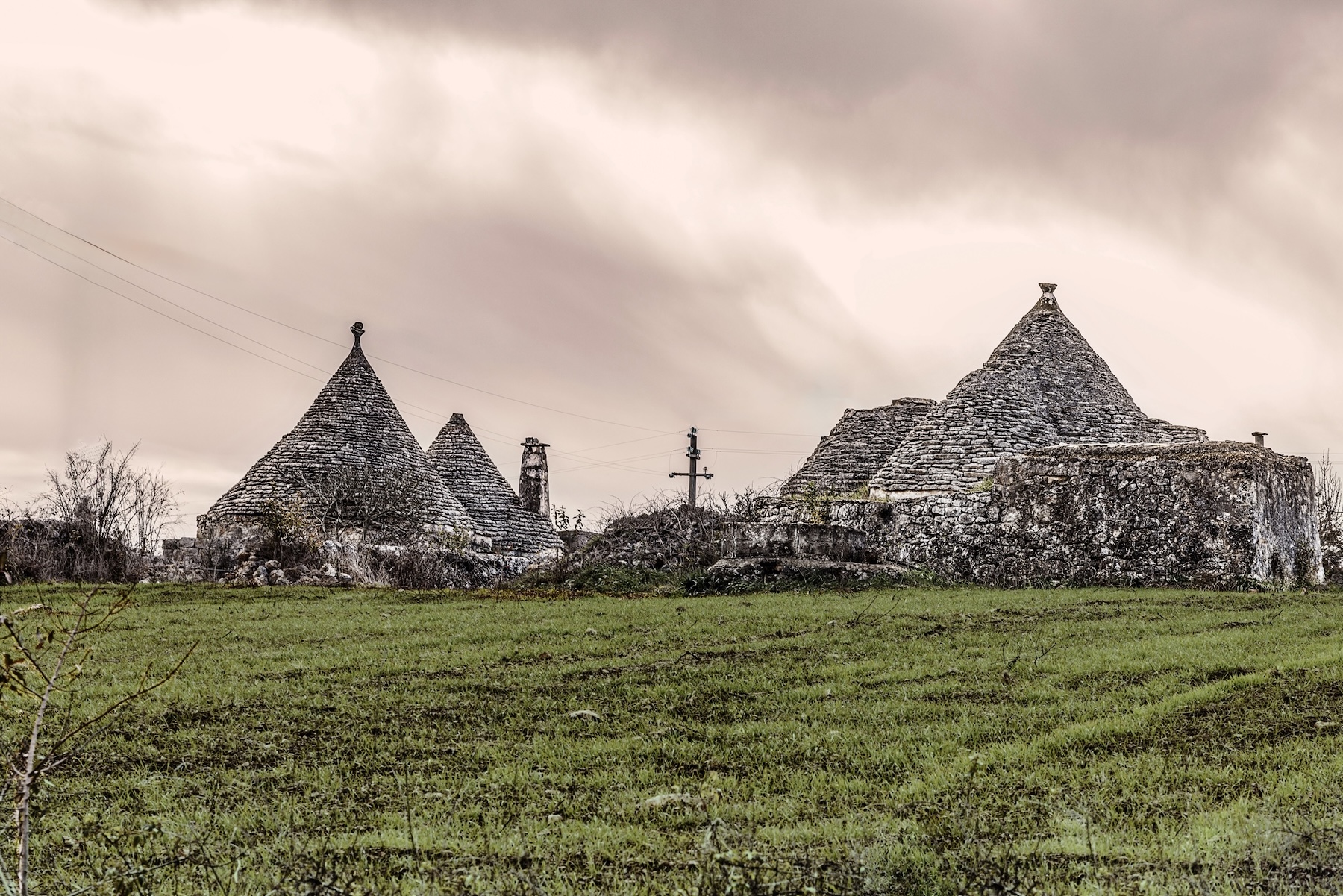
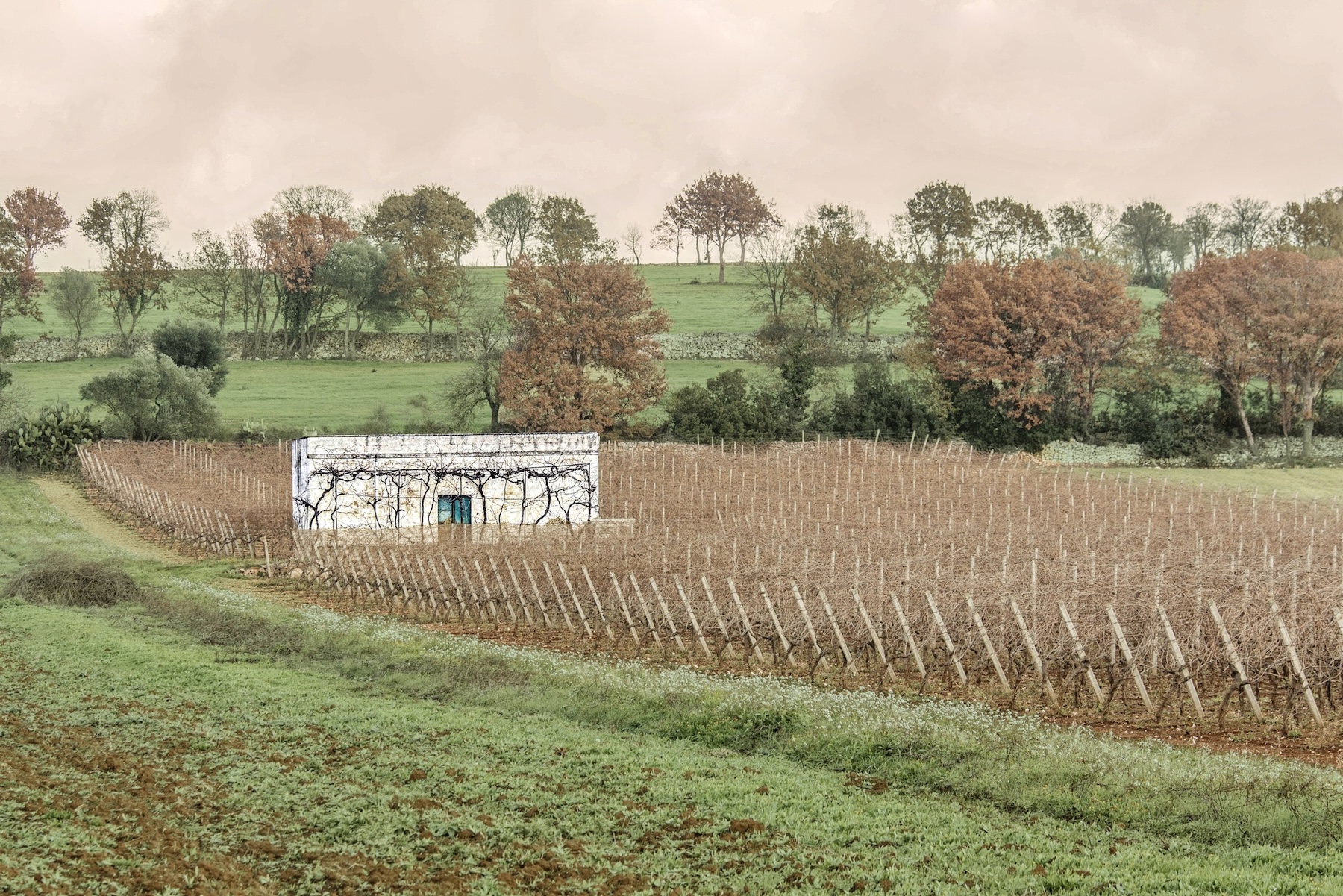

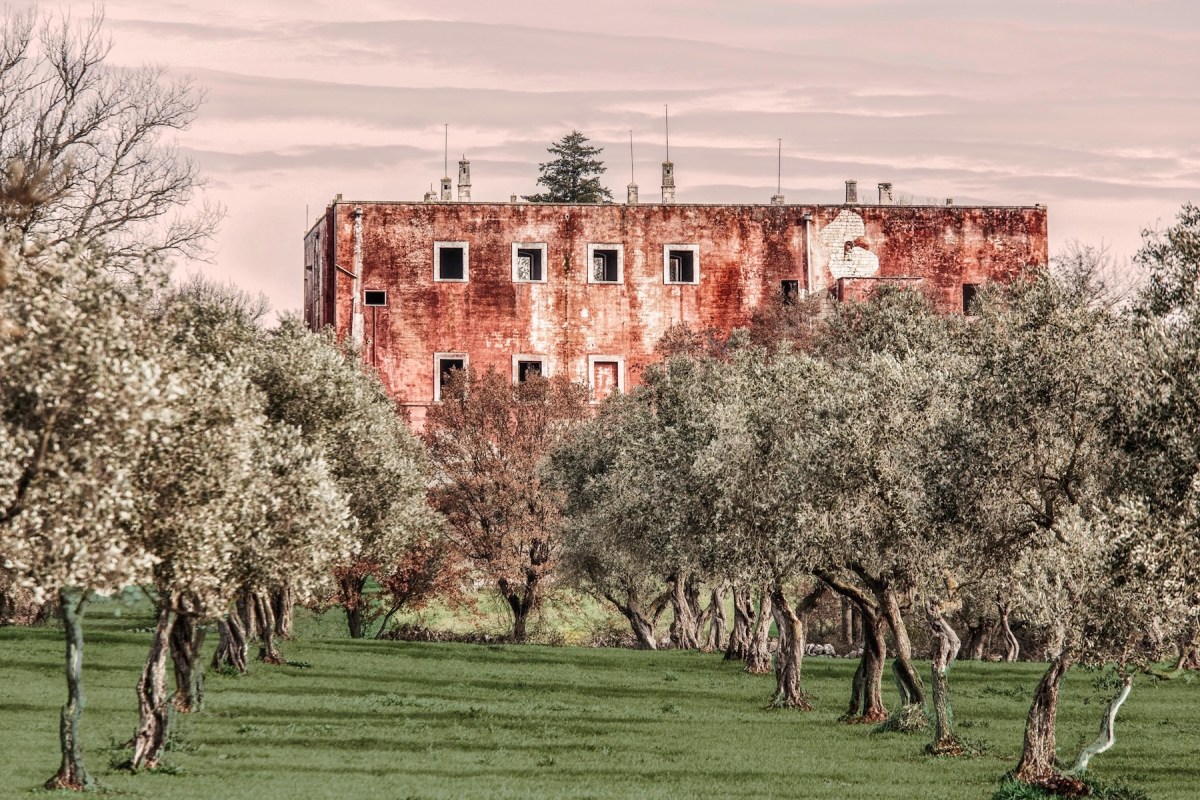
Stone Tales is set in the Itria Valley, a vast karst depression extending between the provinces of Bari, Brindisi, and Taranto in southern Italy. The landscape is shaped by limestone geology, shallow soils, and centuries of agricultural use, producing an environment where architecture emerges directly from the land rather than being imposed upon it.
The series focuses on two primary architectural forms: trulli and masserie. The trulli — dry-stone constructions dating back to the Middle Ages — are built using local limestone and often stand on much older human settlements. Their conical shapes recall prehistoric tombs, creating a visual and symbolic continuity between burial, dwelling, and memory. These structures were never designed for permanence in a monumental sense; instead, they reflect adaptation, repetition, and survival.
The masserie, largely dating from the seventeenth and eighteenth centuries, introduce a different architectural language. Isolated farm complexes characterized by simple geometries, imposing volumes, and stark surfaces, they punctuate the landscape with a severe clarity. These buildings are frequently uninhabited, bearing silent witness to demographic shifts, changing professions, and the gradual abandonment of rural life.
What Vitali presents is not documentation in the traditional sense. The buildings are almost always isolated, stripped of anecdote, and detached from any overt narrative. Their solitude reinforces the low population density of the region while simultaneously situating them within a timeless, almost mythical register. The countryside unfolds slowly, and the act of moving through it becomes central to the experience of the this series.
A crucial element of Stone Tales lies in Lorenzo´s deliberate use of artificial colour. Rather than reproducing natural hues, he applies a controlled, desaturated palette that subtly distances the images from optical realism. The chromatic restraint neutralizes the familiar Mediterranean warmth often associated with this landscape. Colour here does not seduce; it stabilizes. Stone, vegetation, sky, and architecture coexist without hierarchy, reinforcing a sense of suspension rather than place-specific immediacy.
This chromatic discipline contributes to the series’ fairy-tale like dimension — not in a decorative or romantic sense, but as a perceptual shift. The images feel removed from chronological time. Past and present collapse into one another, allowing ancient settlements to reassert themselves within the contemporary landscape without nostalgia or dramatization.
As the viewer moves through Stone Tales, the experience mirrors that of the traveler crossing the Itria Valley at a slow pace. The atmosphere becomes increasingly enchanted, reconnecting directly to an archaic, almost magical world. Reality is not denied, but reframed — seen as if from outside time, where architecture, geology, and human presence merge into a single, enduring structure.
In Stone Tales, Lorenzo offers no spectacle and no commentary. What remains is a quiet but insistent vision: stone as memory, landscape as archive, and photography as an act of measured, attentive seeing. Lorenzo´s use of colours is not about mood. It is about control, distance, and thought. And that is precisely what keeps the series from slipping into formalism for its own sake.
Click on the photos to see the original larger version.
All photos © LORENZO VITALI
See more of his work at Lorenzo Vitali and follow him on Instagram.
 SPECTACULUM MAGAZINE