LISA MURRAY
// Lisa Murray is a photographic artist, educator, and mother living in Naarm (Melbourne), Australia. She employs an authentic and innovative approach to photography, exploring the interplay of time, memory, and personal experiences. Working within a documentary and conceptual framework, her artistic practice explores themes centred around familial bonds, mortality, dysphoria, and trauma. Today we are sharing some of her deeply felt series “For Parts Not Working”.
The quote she selected, which has always resonated with her, is by photographer Sally Mann:
“Death makes us sad, but it can also make us feel more alive.”
Sally Mann
What draws you to the arts?
My attraction to the arts is not merely a choice, creativity is a fundamental aspect of my DNA and it’s become difficult not to shallow breathe without it.
What do you like best about this project?
This ongoing body of work is created as a tribute to my brain for the effective filing systems it has created to protect me from myself. Making it has been profoundly healing.
The background to this photo series is to personal and so heart-wrenching, we chose to let Lisa describe it in her own words and not to add to it.
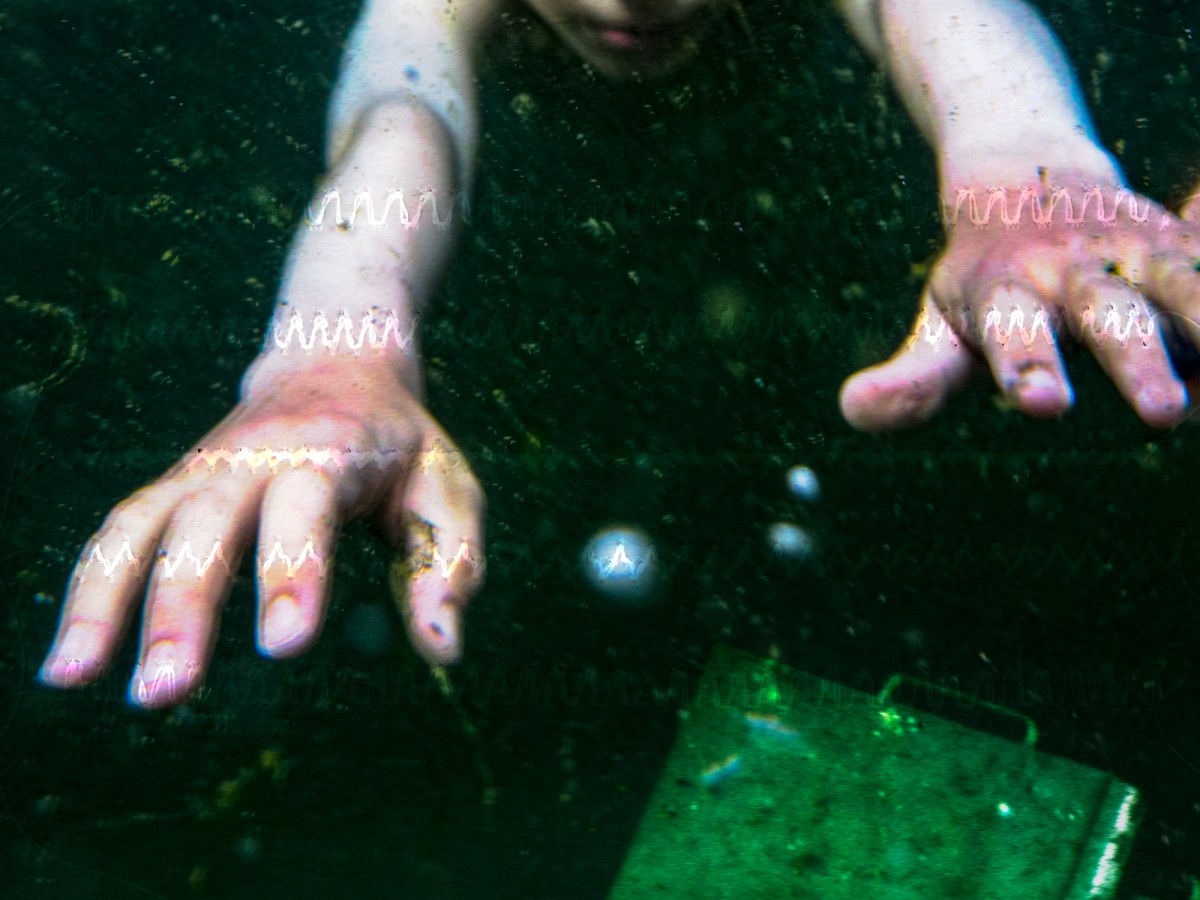
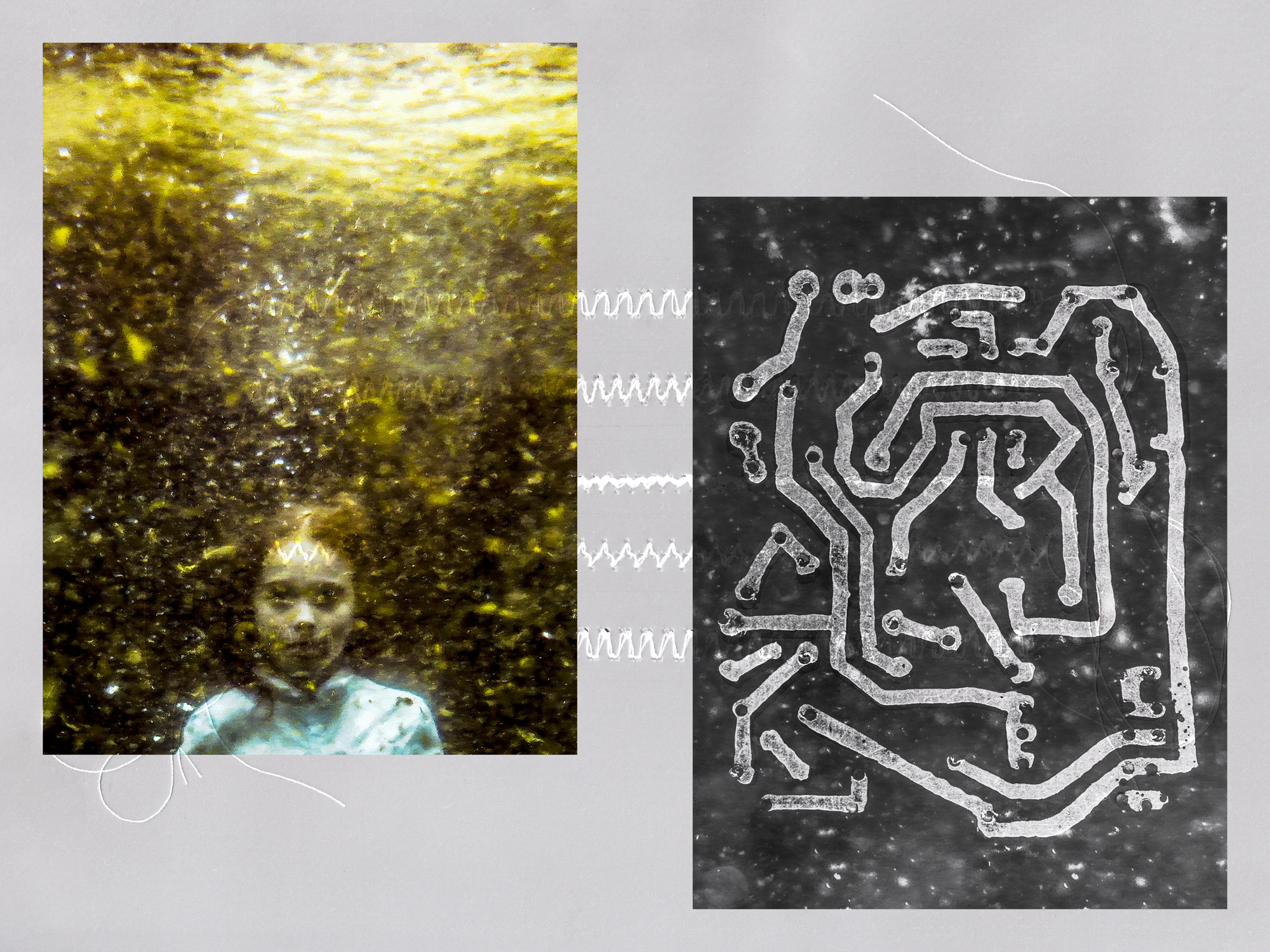
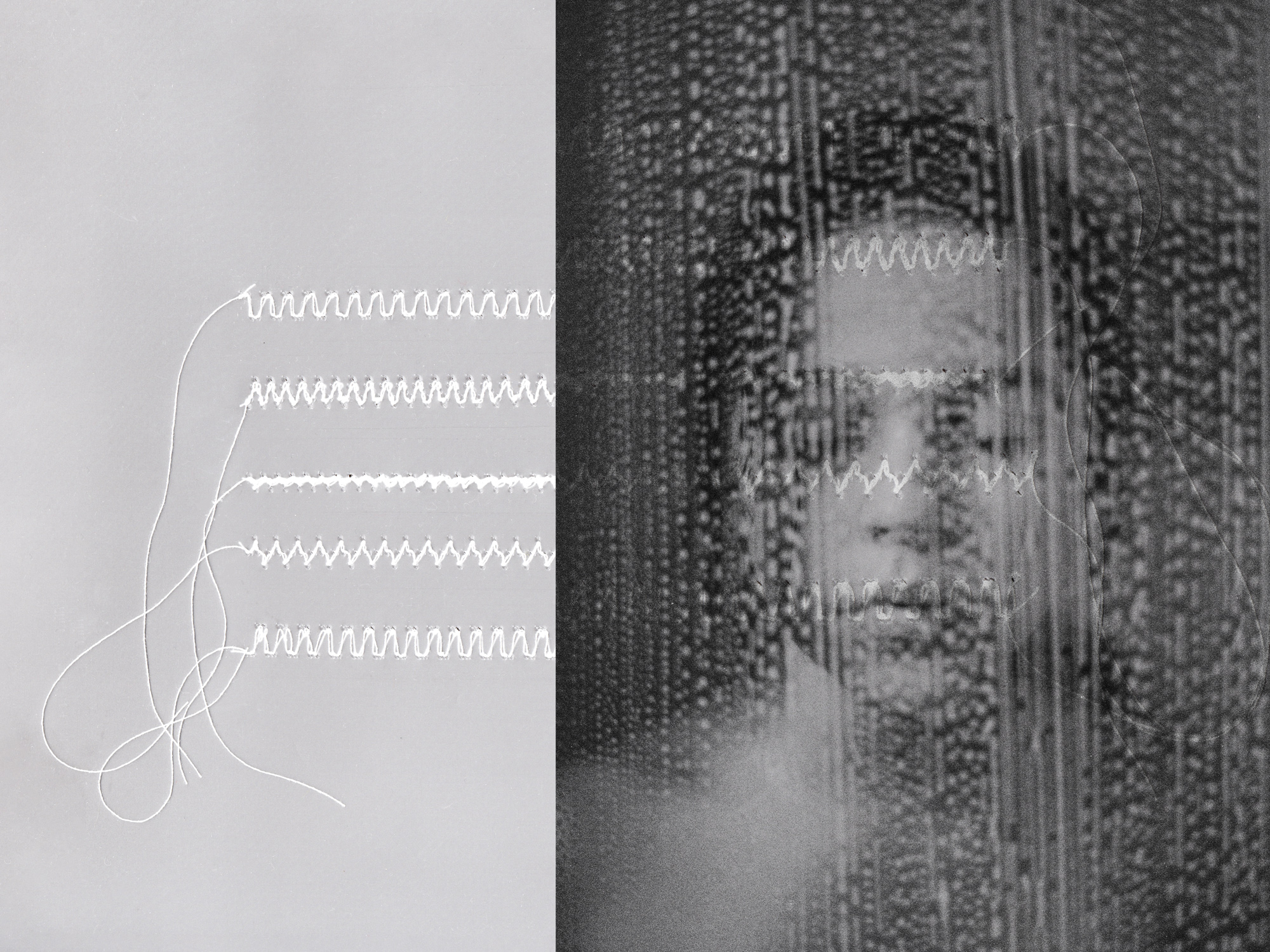
Unpacking the case of memories I’ve kept safely buried deep within my mind and delving into the times I’ve been broken, ‘For Parts Not Working’ explores and attempts to visually articulate trauma and related PTSD.
The series of constructed narratives are composed by combining a textile element to represent a hospital vital signs monitor with photography and mixed media techniques, including collage and sculptural work that my children made during their early years, through some of our shared lived experiences.
Please note that we have put picture captions into footnotes below the gallery, these should be viewed as an integral part of the artworks.
Click on the photos to see the original larger version.



- There are no thoughts. Everything’s broken down into an endless array of unformed possibilities.
2. Her voice bellowed and echoed across the room amidst the beeps. My machine’s alarm would sound ‘code blue’ and send for the defibrillator whenever she neared. Her tattooed arm outstretched; she would casually toss her colossal ring of keys onto my bed – the weight of them pressing into my body felt like I would be crushed to death.
3. Remember to forget everything you have learned up until this point.
4. It felt more like a hotel than a hospital, and it was a comforting space to wake up in after surgery. With my heart racing unevenly and no provisions or expertise to cope, I made the call and dialed 000 from within the hospital. I was transferred by ambulance to intensive care where I spent two of the hardest days of my life.
5. After I convince you that life is worth living, I incrementally increase the time between calls – a suicide prevention strategy I remembered seeing once. If I can get to an hour, I can prevent it.
but you don’t answer.
….
The ghost of you tells me she’s happier dead, that it’s not my fault, that I’d saved you many times before. Life, for you, was an illness which you are free of now.
I dial your number.
Your mother answers.
I hang up.
6. Lifted from my body and into the world by your obnoxious hands.
7. The slow hours endured waiting for my face to be stitched closed. My breath moving me through the hues of a migraine with a blinding metallic aura.
8. Illuminated by artificial light, her blood divided into clear tubes – each coded by hospital colours – their meaning unbeknown to me. My mother’s death on dialysis is perhaps the only vivid image I have in my mind’s eye that I never photographed.
9. Drawing from my personal health struggles and near-death experiences, this ongoing body of work is created as a tribute to my brain for the effective filing systems it has created to protect me from myself.
All photos and text © LISA MURRAY
Please visit Lisa´s website to see more of this series and also her other work. And also check out her Instagram page.
 SPECTACULUM MAGAZINE