
SAID MANSEUR
// Algerian documentary photographer and visual artist Said Manseur was born in 1999 in Mascara, Algeria, and is now based in Algiers. With more than twelve years of photographic experience, he has developed a distinctive approach to visual storytelling, exploring questions of identity, migration, human rights and the social realities of contemporary life. In his series Proscenium Ghosts, Said turns his attention to the world of theatre, exploring what happens beyond the audience’s gaze, where a performance gradually takes shape.
Deeply rooted in his Algerian heritage, his work seeks to give visibility to overlooked communities and experiences, combining documentary observation with a strong personal sensibility.
A member of the African Photojournalism Database, Said was selected for the École Kourtrajmé in 2024 and received official accreditation as an artist-photographer from Algeria’s National Council of Arts and Letters that same year. In 2025, he founded the National Photography Salon El Forsan, an initiative supporting emerging photographers and promoting photographic culture in Algeria.
His achievements also include the 2026 MIRA Mobile Prize. Said´s work has been exhibited and published internationally, including at Cairo Photo Week, Image Festival Amman, the Chania International Photo Festival in Greece and The Pictorial List.
“Art enables us to find ourselves and lose ourselves at the same time.”
— Thomas Merton
What draws you to the arts?
What draws me to art is its ability to make us feel and see the world differently. I am particularly interested in the way art creates a space for emotions, questions, imagination, and human connection. Going to a theatre performance, visiting an exhibition, or watching someone create something makes me feel curious and connected to experiences beyond my own. I am drawn to art because it can reveal things that are difficult to express through everyday language and can give meaning to ordinary moments. For me, engaging with art is a way of questioning reality, discovering different perspectives, and understanding people and the world around me more deeply.
What do you like best about this project?
What I like most about Proscenium Ghosts is the way the project allowed me to enter the world of theatre beyond the performance itself. I was drawn to the moments that usually remain unseen: the concentration of the performers, their physical gestures, the uncertainty of rehearsals, and the quiet atmosphere backstage. I enjoyed observing how young people transform themselves through movement and performance, and how the stage becomes a space where reality and imagination meet. For me, the project is not only about documenting theatre, but about capturing the emotions, relationships, and fleeting moments that exist behind it.
Images may be cropped for layout. Click on the photos to see a larger version.
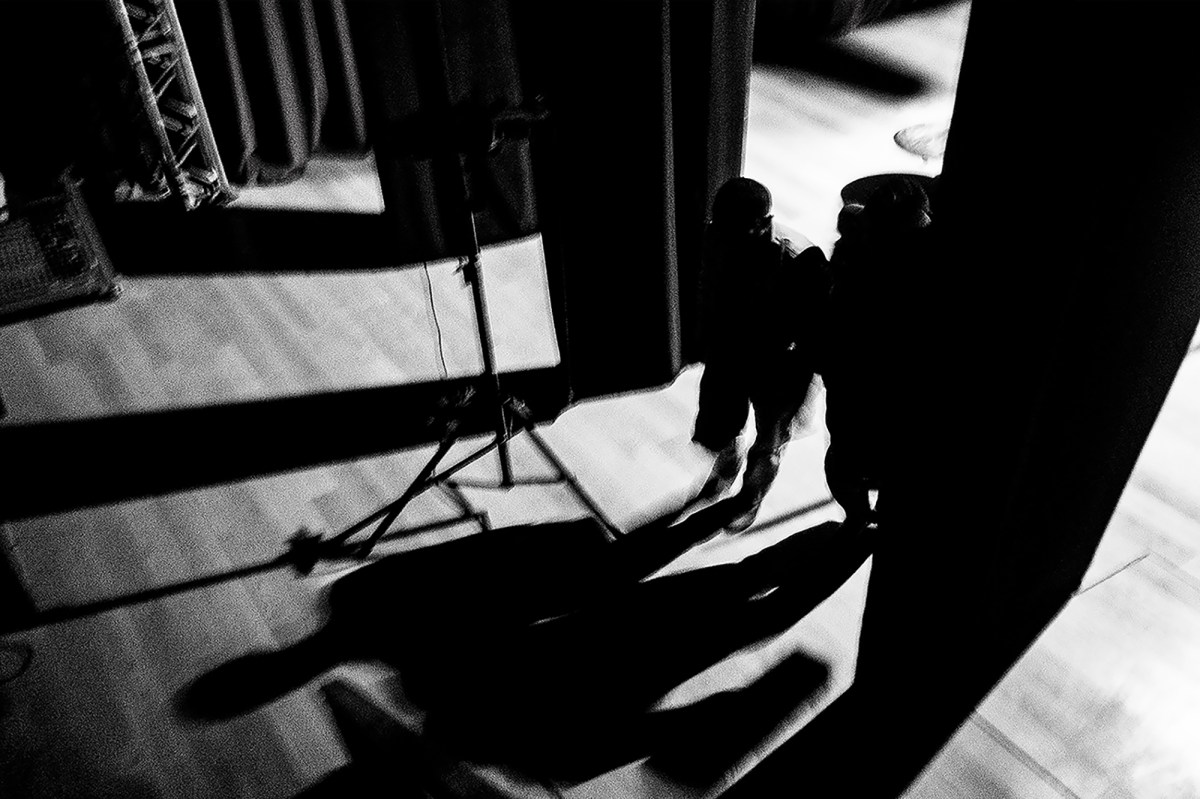
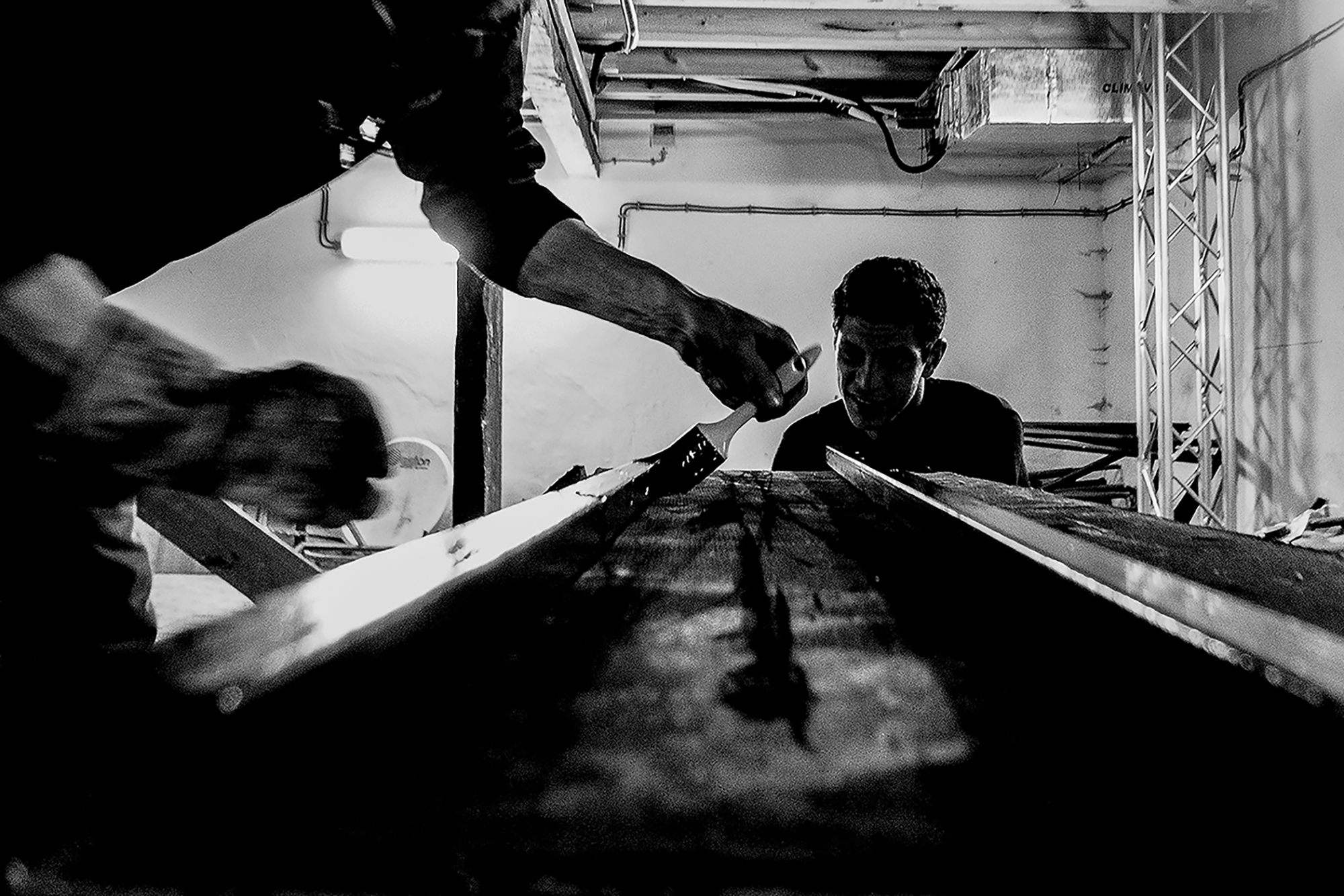
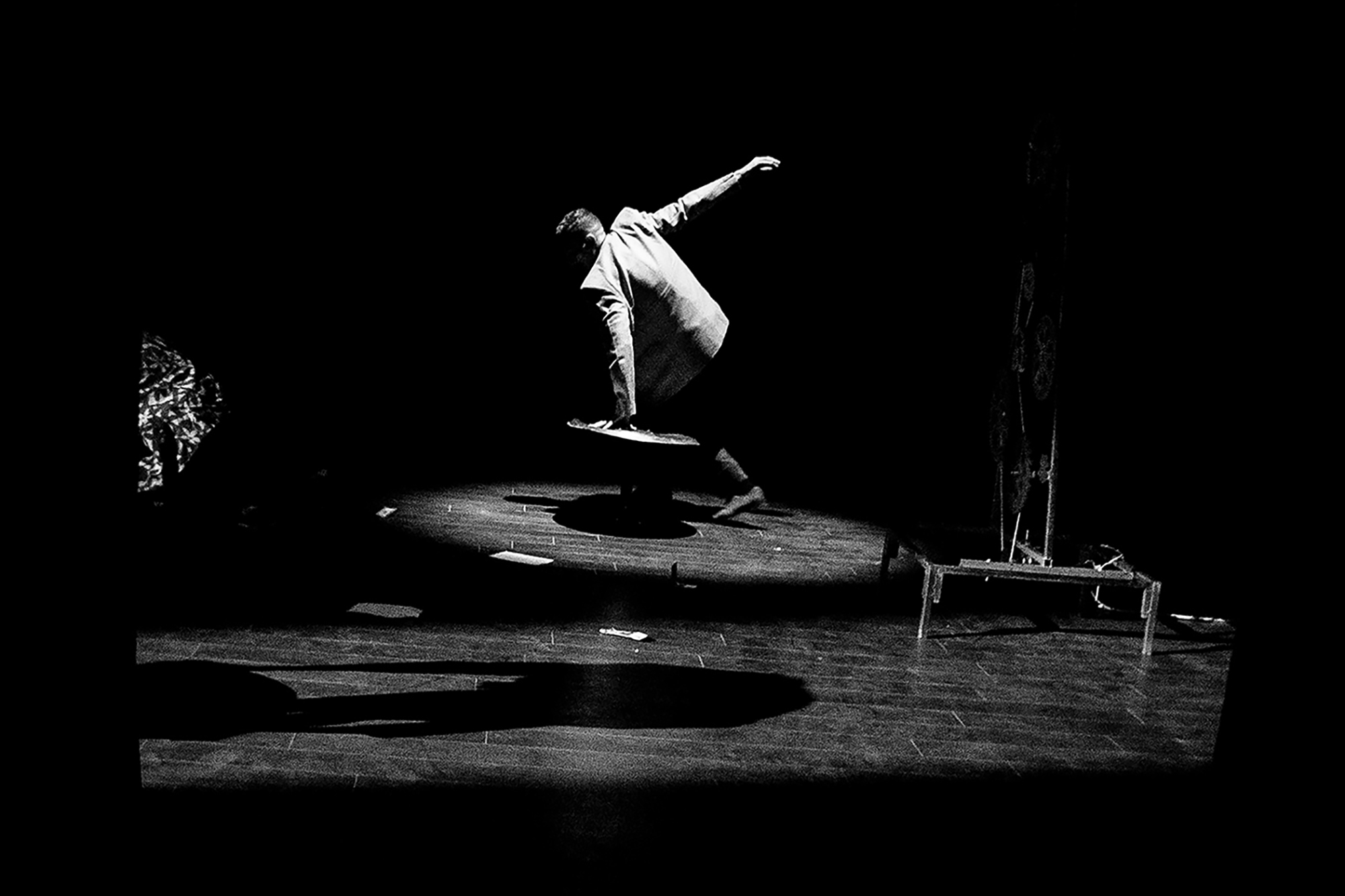
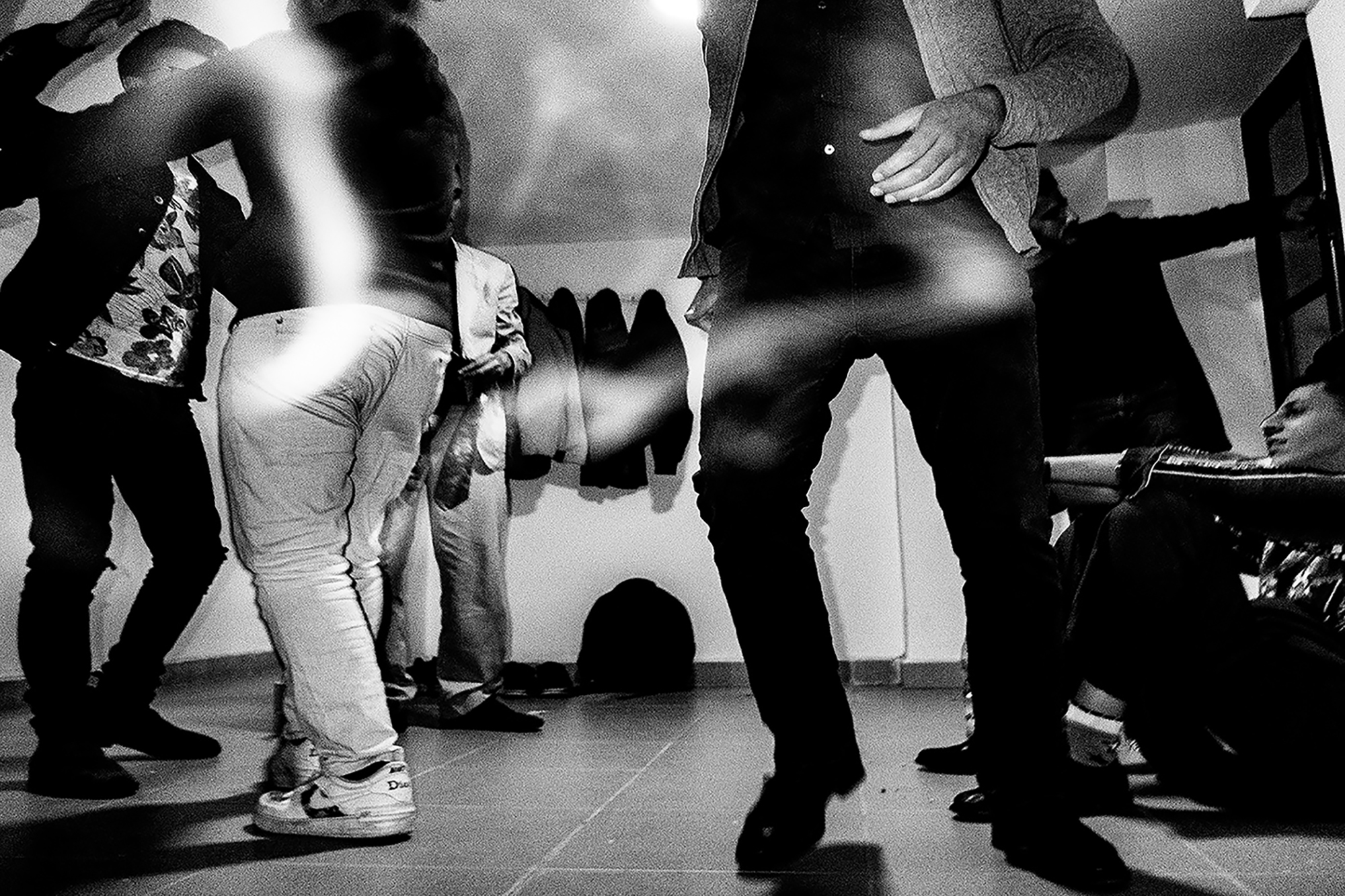
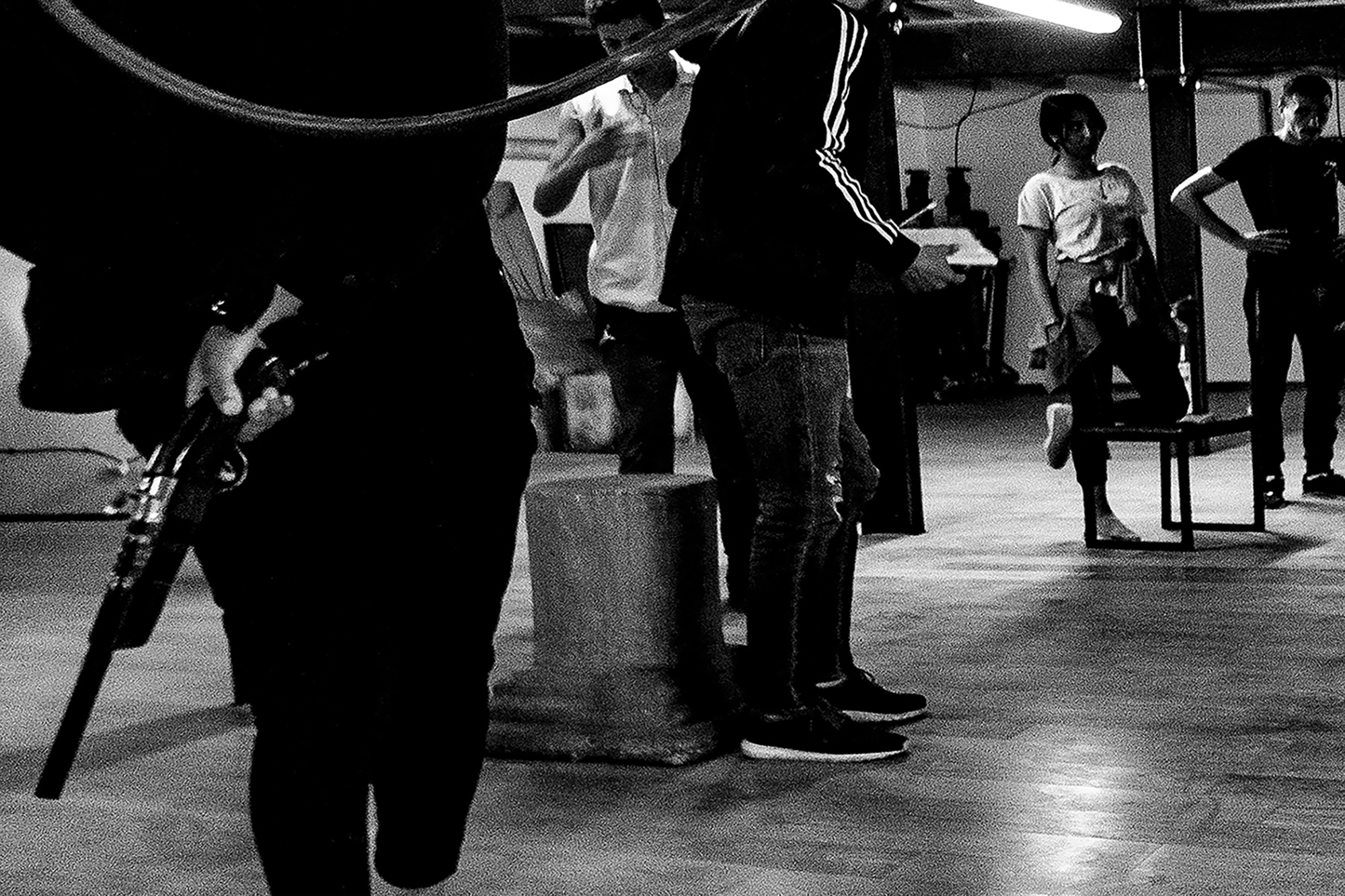
While much of his work addresses broader social concerns, his series Proscenium Ghosts takes us into the intimate world of theatre, exploring what happens beyond the audience’s gaze, where a performance gradually takes shape. The photographs were taken during the production of Mékanizma, a theatre play involving young performers. Rather than concentrating exclusively on the finished production, Said followed the creative process through rehearsals, backstage preparations and the fleeting moments between scenes. His interest lies in the physical and emotional transformation that occurs as performers move between their everyday identities and the characters they inhabit.
The title is particularly evocative. A proscenium traditionally frames the theatrical action, separating the fictional world of the stage from the audience. Said’s photographs venture beyond that frame, searching for the fleeting presences and gestures that usually remain invisible. His ghosts are not supernatural figures, but the transient moments of creativity that disappear once the performance is over.
There is something compelling about photographing theatre from this perspective. On stage, every movement, gesture and expression is usually part of a carefully constructed whole. During rehearsals, however, the boundaries are less clearly defined. A performer might be concentrating on a difficult movement, waiting for a cue or simply observing a colleague. These seemingly incidental moments can reveal as much about the creative process as the performance itself.
Said approaches these situations as an observer, working with available light, without directing or staging the action. Yet his photographs are far from straightforward records of theatrical activity. Their dramatic visual language, particularly the uncompromising use of black and white, gives them an expressive quality that occasionally brings them remarkably close to the art form they document.
The most striking characteristic of the series is its use of contrast. Deep, almost impenetrable blacks dominate many of the compositions, interrupted by sharply illuminated faces, hands and bodies. Rather than attempting to recover every detail from the shadows, Said allows large areas of darkness to remain unresolved. The resulting images are often deliberately sparse, directing our attention towards the elements that emerge into the light.
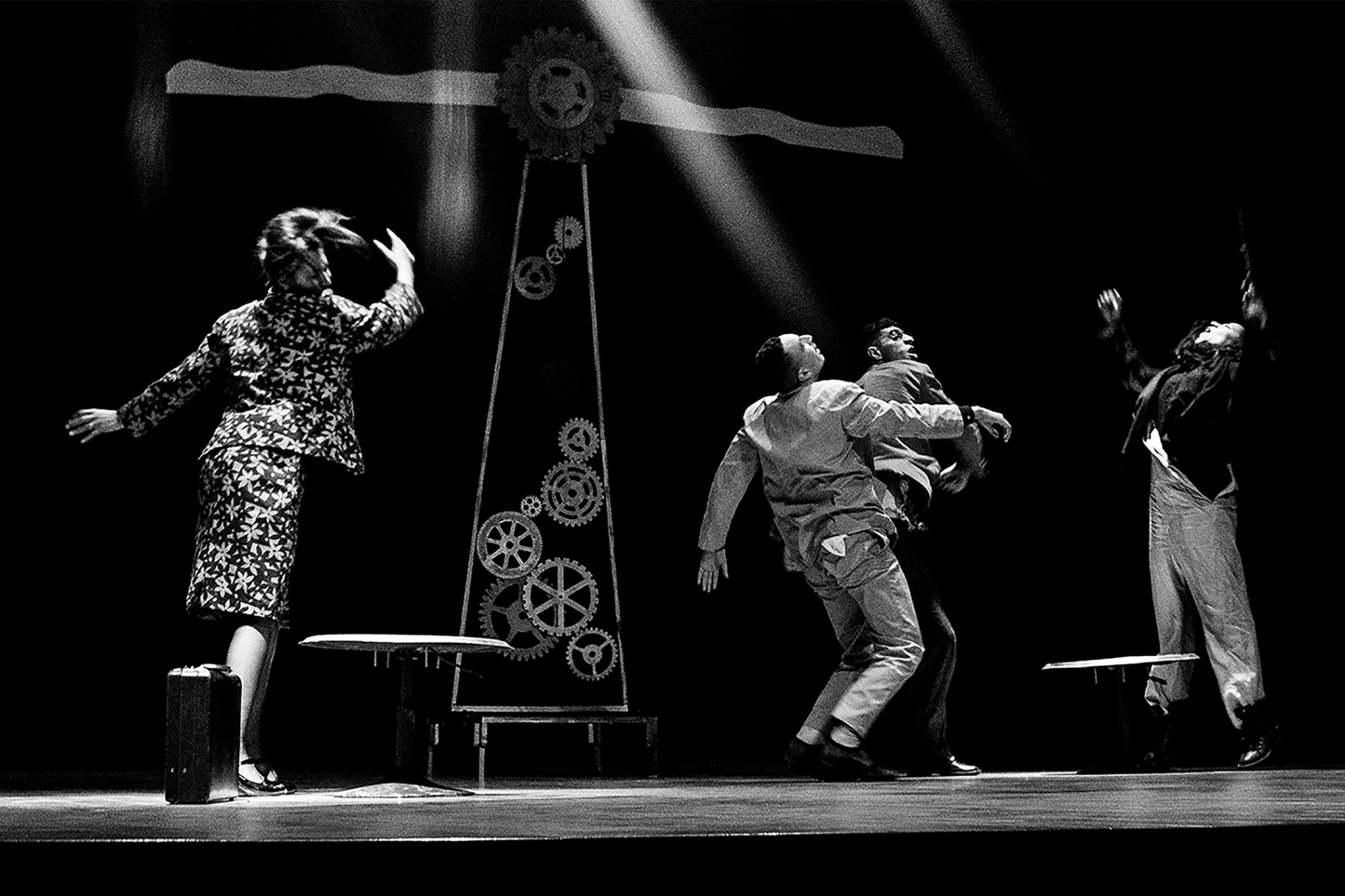
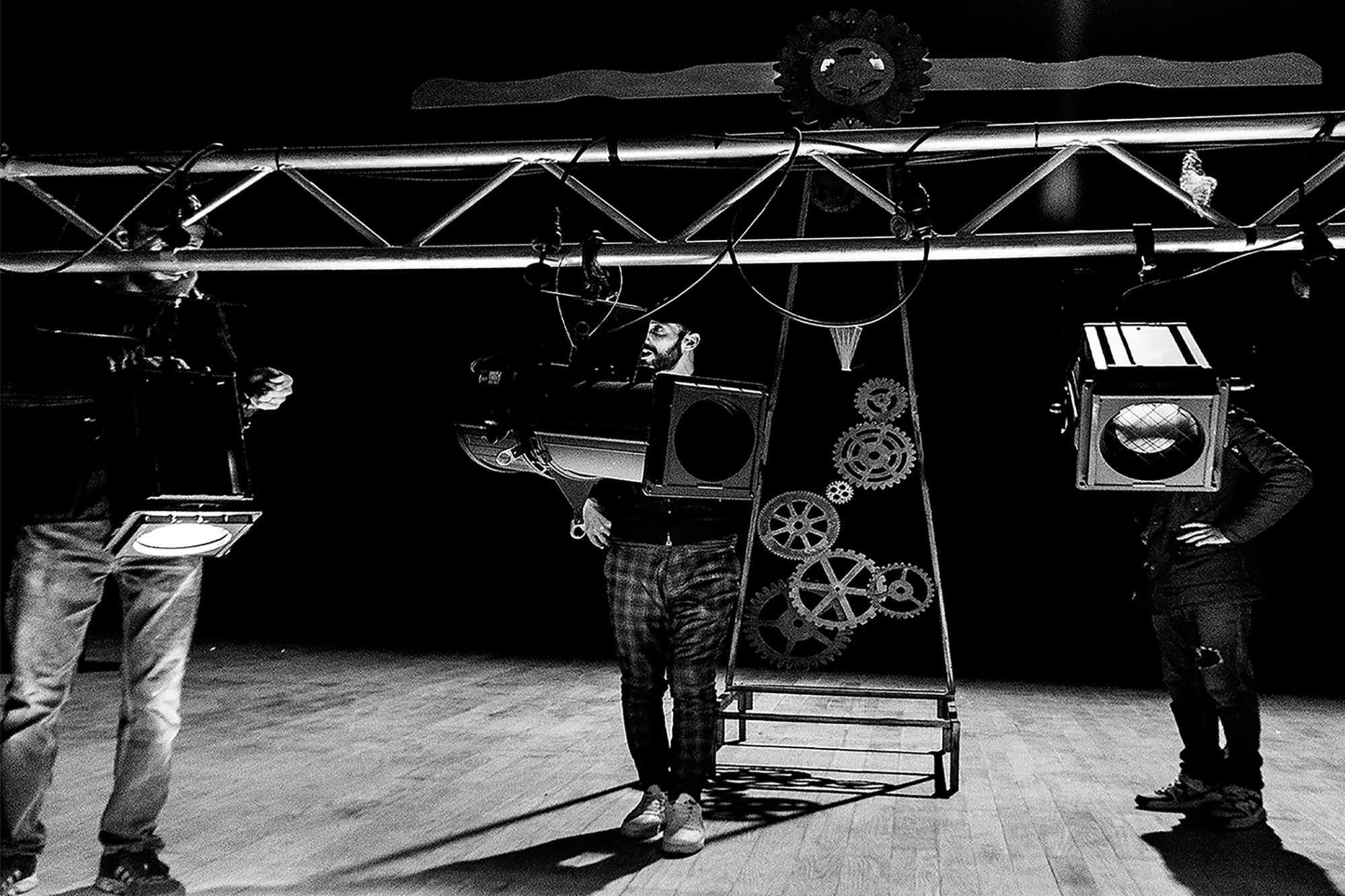
Performers reach and twist beneath theatrical lighting, their bodies seemingly responding to an invisible force. A mechanical structure decorated with cogwheels rises behind them, suggesting something of the production’s visual world. Strong directional light separates figures from the darkness, emphasising the theatricality of gestures while preserving the spontaneity of the moment.
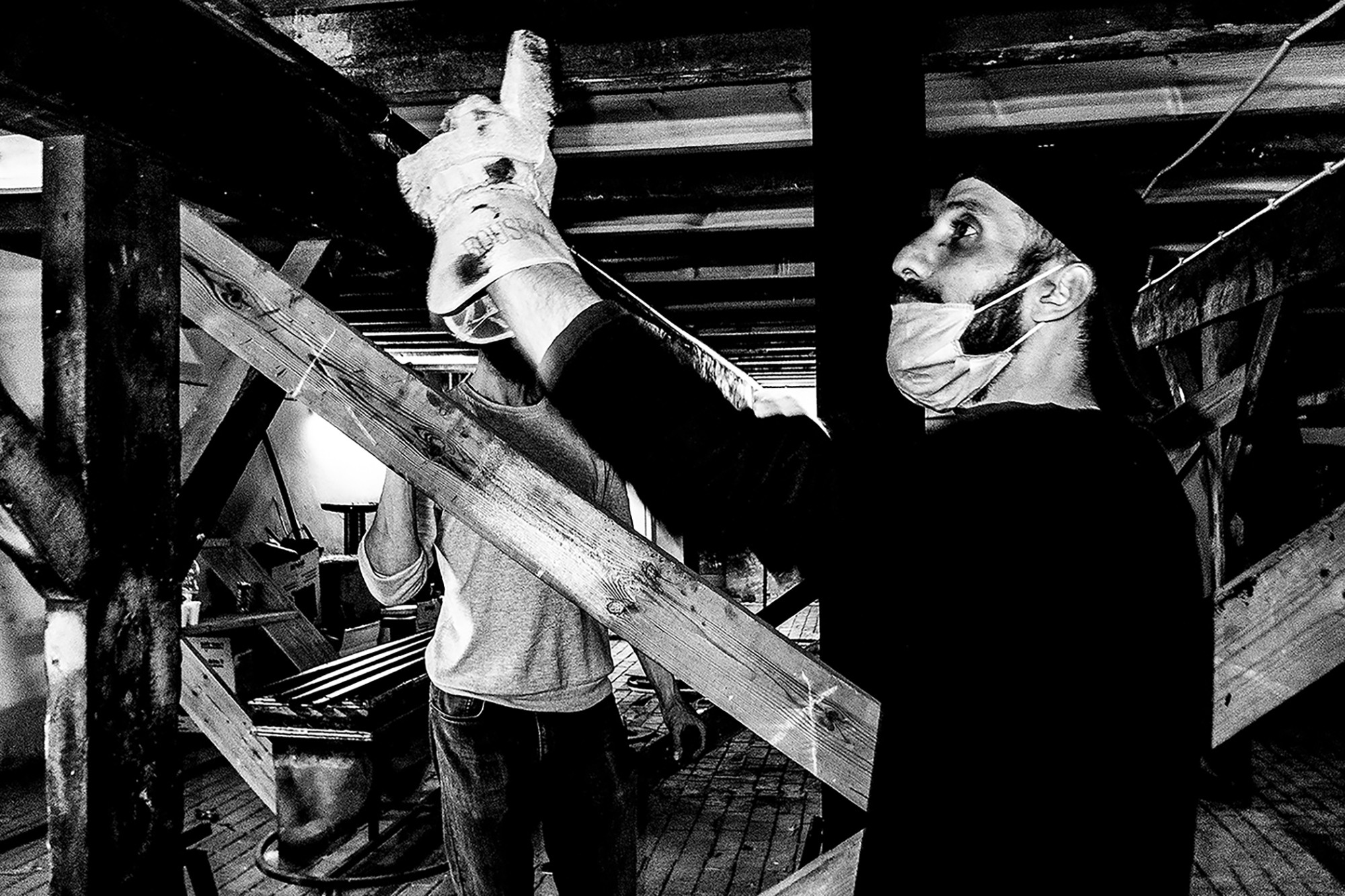
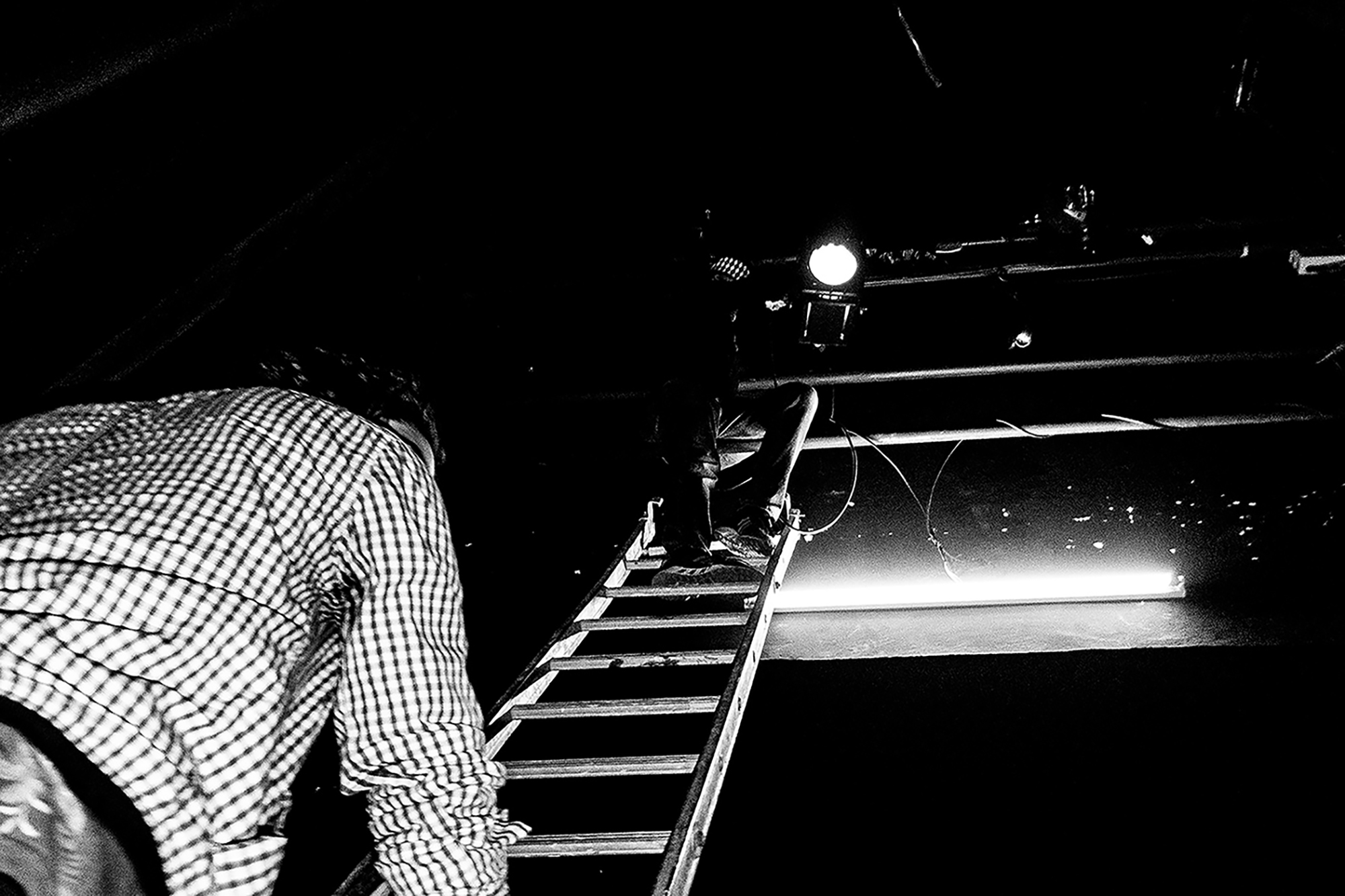
Another image looks upwards towards a ladder disappearing into the darkness above the stage. A figure works near the lighting equipment, while another person occupies the foreground.
Said makes particularly effective use of the contrast between the brilliant stage lights and the surrounding darkness. The compositions are sometimes almost abstract, with strong lines that direct the gaze into a mysterious space. His visual approach reveals his ability to recognise a compelling composition within situations that are neither arranged nor predictable. He works with the existing geometry of the environment, allowing structural elements, theatrical equipment and human gestures to establish relationships within the frame. The resulting images possess a sense of immediacy, yet their framing gives them a distinctly considered aesthetic.
His treatment of light is especially interesting because theatre lighting serves two purposes in these photographs. It is both the practical illumination of the scene and an expressive element in its own right. A spotlight can isolate a performer, turn an ordinary gesture into something dramatic or transform an otherwise unremarkable backstage space into a mysterious setting. By exposing for the illuminated areas and allowing the shadows to deepen, Said heightens these effects without abandoning the documentary character of his work.
The grain and pronounced tonal contrasts further contribute to the atmosphere. Rather than the polished appearance often associated with professional theatre photography, the images have a raw, almost tactile quality.
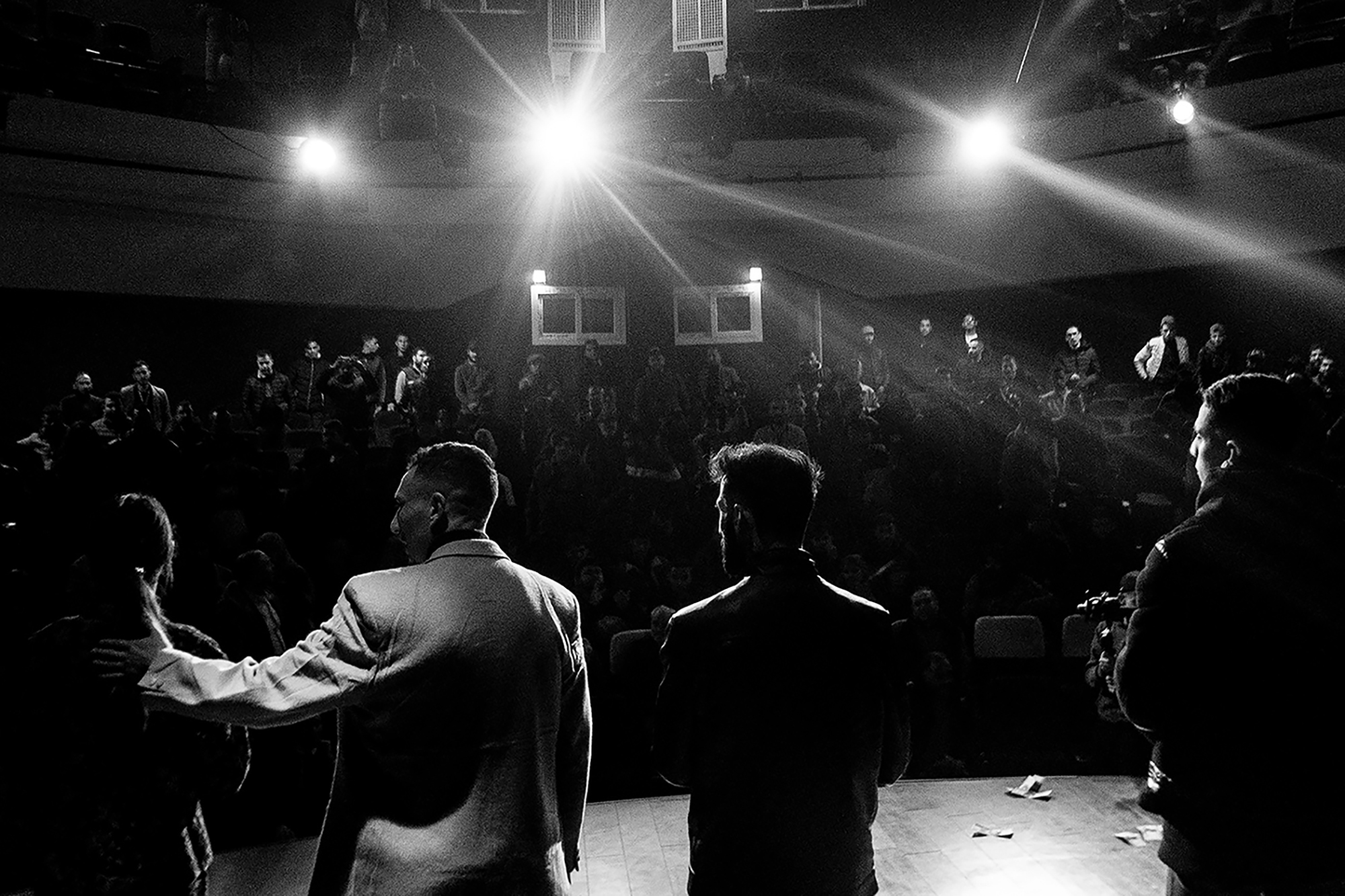
One of the most revealing images in the series shows the performers facing an audience in a brightly lit auditorium. Seen from behind, the figures occupy the foreground while the spectators gradually disappear into shadow. It is a moment when the relationship between stage and audience becomes visible, and the distinction between those who perform and those who observe is briefly reversed. We find ourselves looking through the performers’ eyes, sharing their perspective rather than watching them from our seats.
This reversal reflects something fundamental about Proscenium Ghosts. Said is interested not only in what theatre presents to its audience, but also in the people who make it possible. The concentration, uncertainty, collaboration and physical effort involved in creating a performance become subjects worthy of attention in their own right.
For Said, art offers a way to question reality, discover unfamiliar perspectives and connect with experiences beyond his own. His interest in theatre seems a natural extension of his documentary practice: both involve observing people, understanding their circumstances and recognising the significance of moments that might otherwise pass unnoticed.
What makes Proscenium Ghosts remarkable is the way Said combines documentary observation with a strong visual sensibility. His photographs do not merely show us how a theatre production is made. Through their dramatic contrasts, carefully observed gestures and expressive use of light, they convey something of the intensity, vulnerability and collective energy involved in bringing a performance to life. The theatre may be a place of illusion, but these images remind us of the very real human effort behind the magic.
ALL PHOTOS © SAID MANSEUR
We suggest you also visit Said´s Instagram page and his website for more about how she thinks about photography.

