
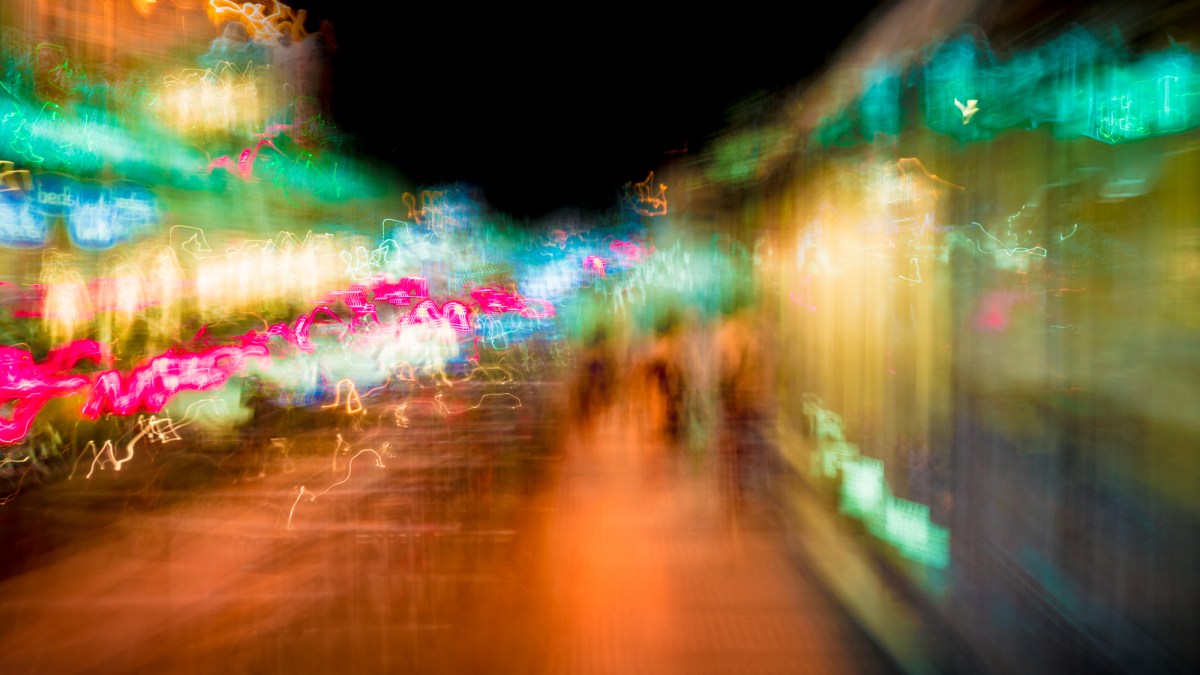
HECTOR MORÓN
// Héctor Morón is a Spain-based fine art photographer working with long exposure and intentional camera movement (ICM). Over recent years, he has developed a distinct photographic language in which reality is not recorded but translated. Streets, buildings, light, and human figures are treated as unstable elements—reshaped through motion, duration, and rhythm into images that hover between recognition and abstraction.
Héctor´s practice is methodical and concept-driven. He does not work in isolated images, but in carefully edited series with internal coherence, sequencing, and titles. Each project is conceived as a closed system, where every image contributes to a broader emotional and conceptual arc. He describes this approach as Allegorical Abstractionism: photography used not to describe reality, but to transform it into metaphor.
Rather than freezing the world, Héctor destabilizes it. His use of controlled camera movement and long exposure introduces vibration, drift, and slippage into the frame. What we see is never fixed. The familiar dissolves just enough to become uncertain.
“The purpose of art is washing the dust of daily life off our souls.”
Pablo Picasso
What draws you to the arts?
Art gives form to experiences that language can’t fully hold—silence, longing, awe, fear, devotion. I’m drawn to the arts because they transform reality into meaning: music makes time tangible, cinema turns light into memory, architecture shapes emotion through space. Visiting cultural heritage sites, museums, and urban environments deeply affects me; I absorb how places carry history and how light changes perception. Making art is my way to convert that contact—seeing, walking, listening—into something shareable.
What did you like best about this photography project?
I like that it holds a tension I care about: the images are abstract, but still anchored in real places and real presence. The work lets me turn everyday urban life into an emotional structure—light becomes pressure, movement becomes language, and the city becomes a stage where the human is briefly visible before dis
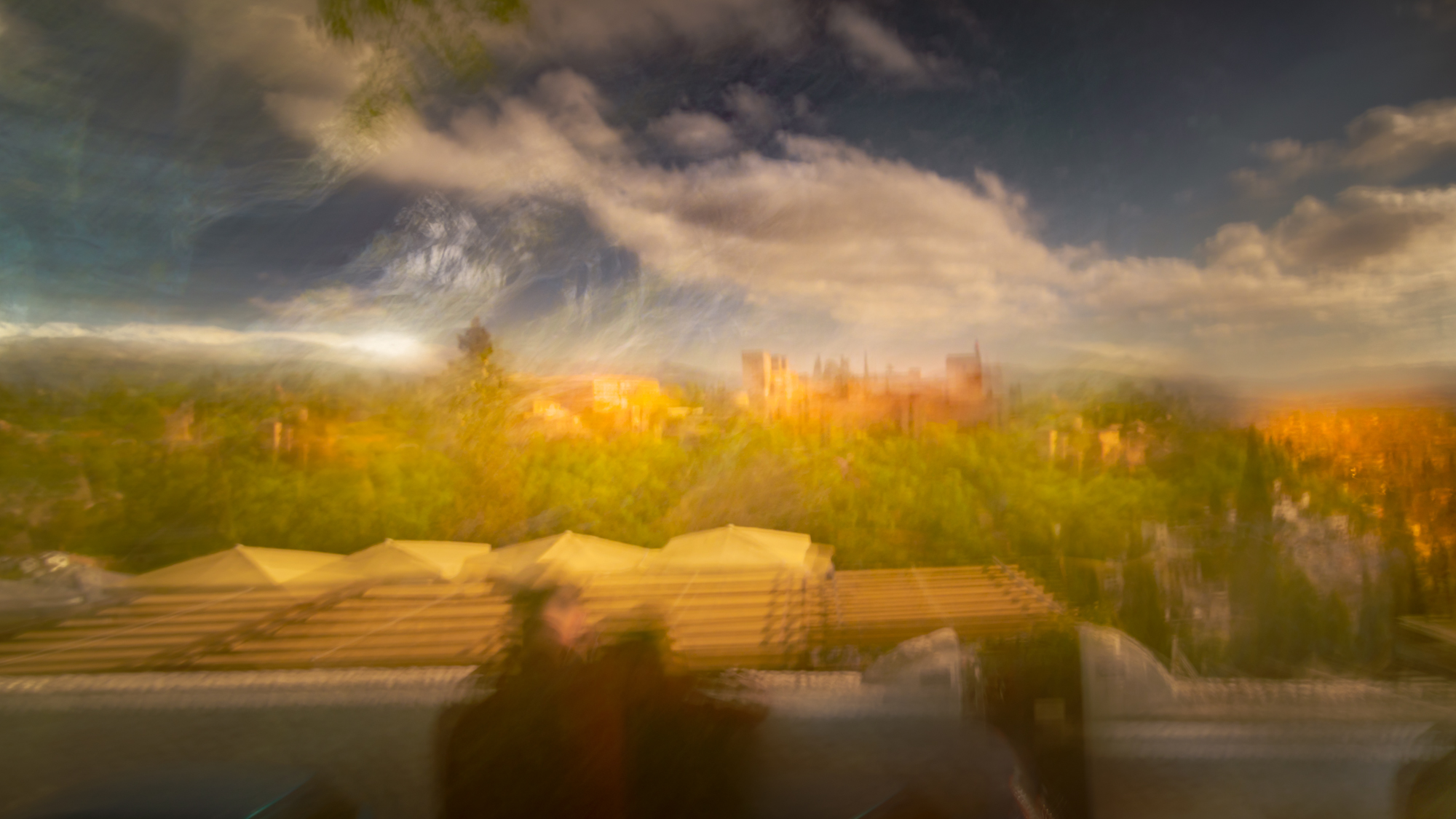
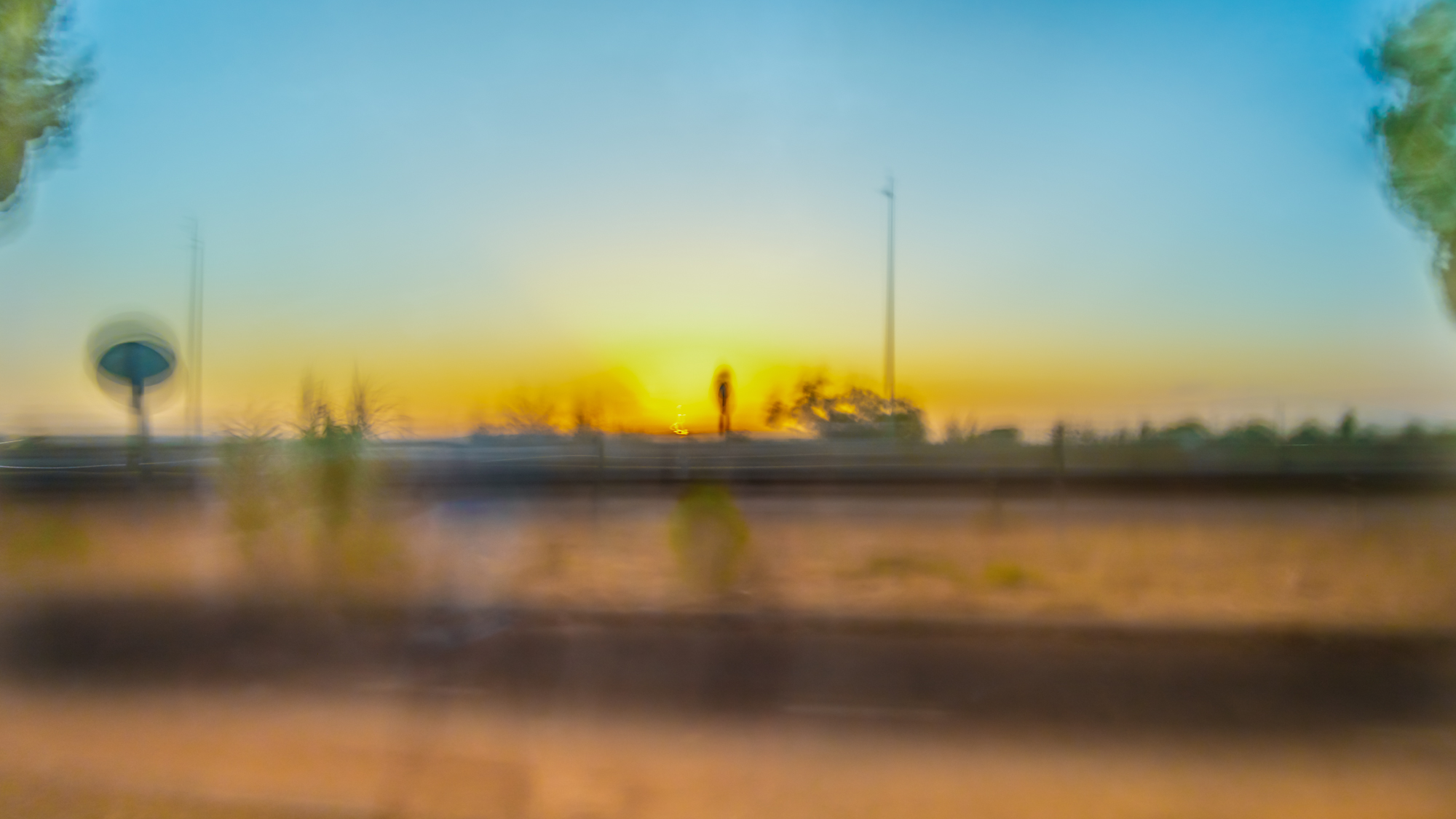
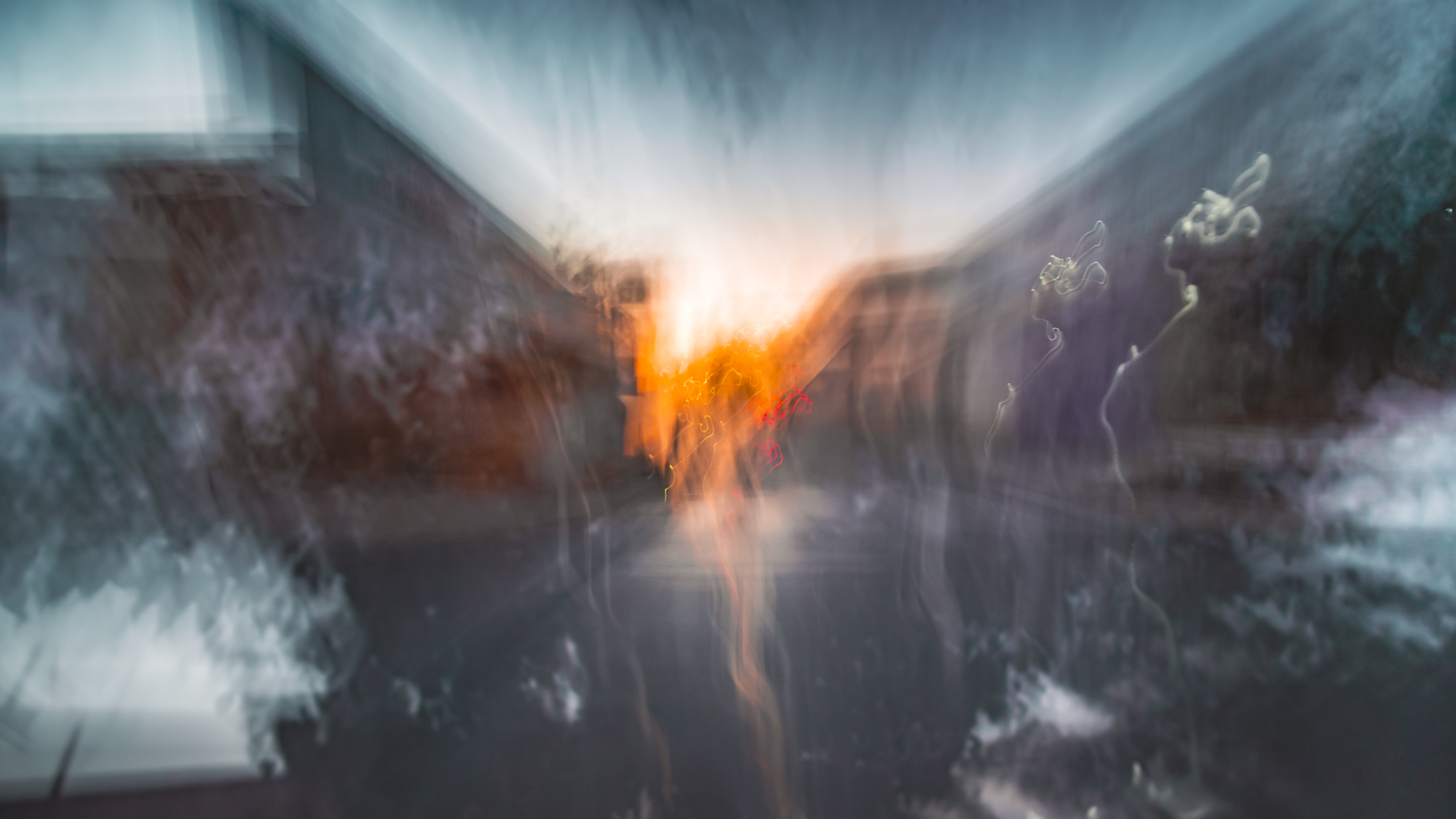
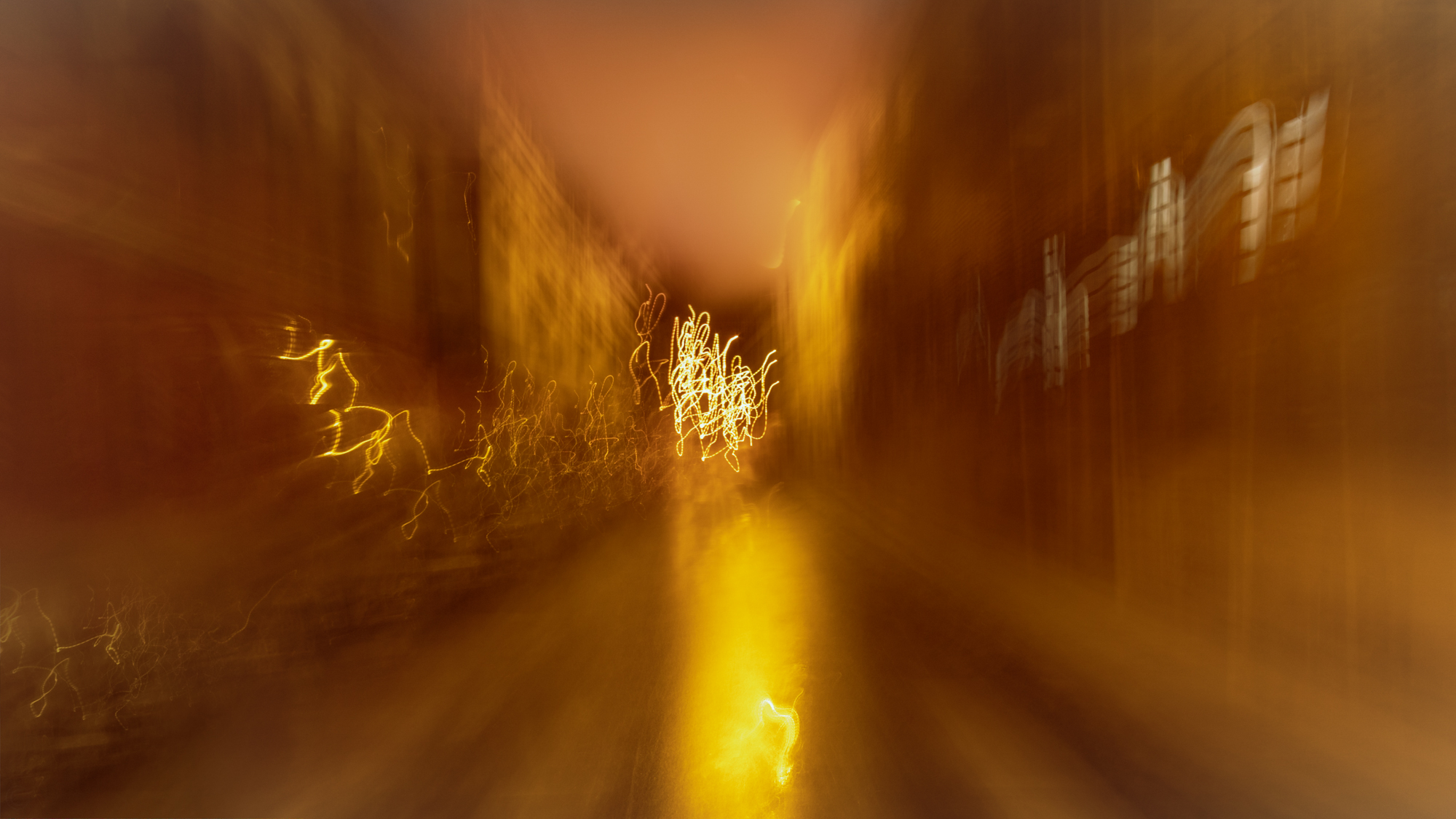
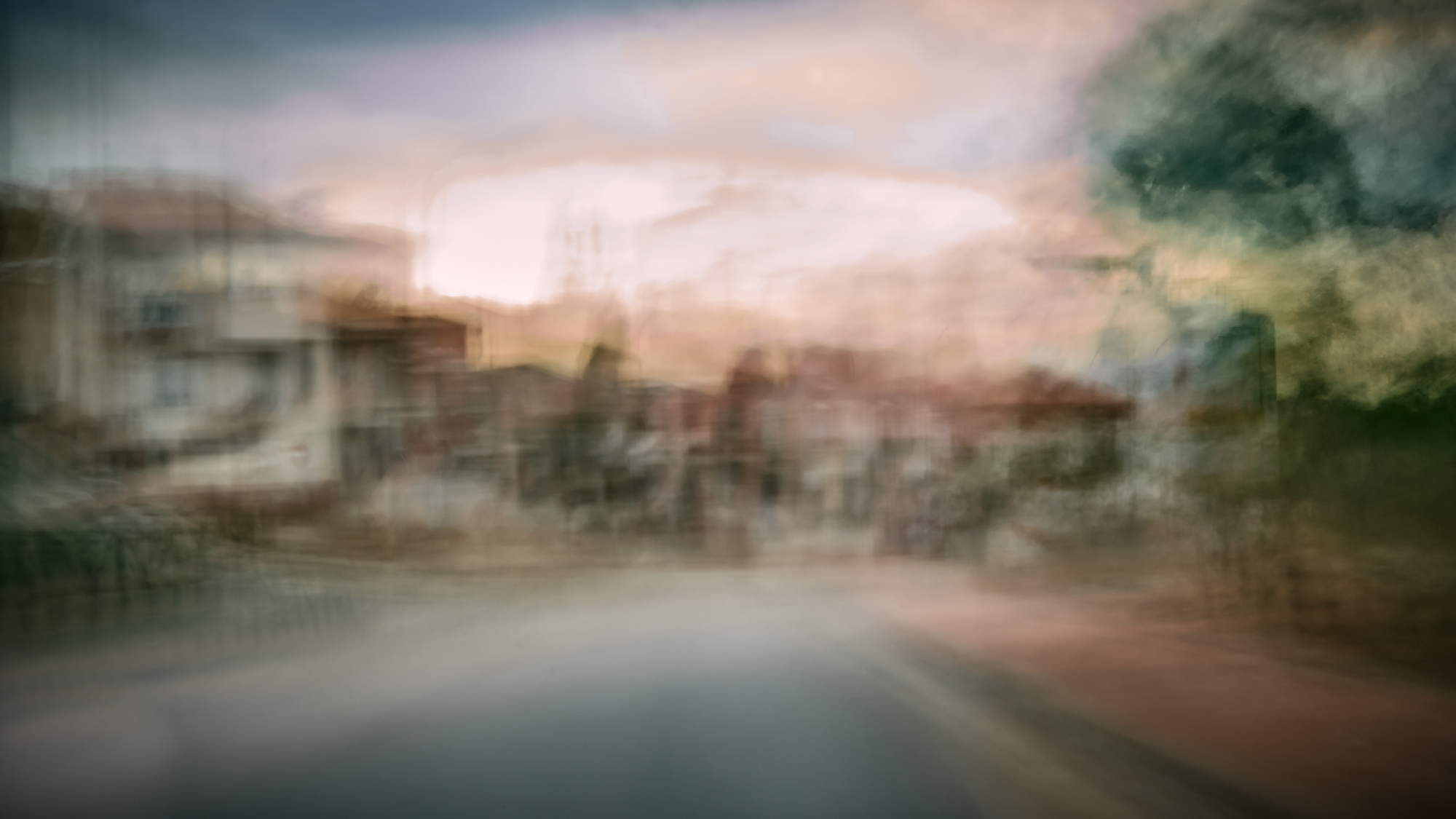
Urban Solitude Under a Technified Sun
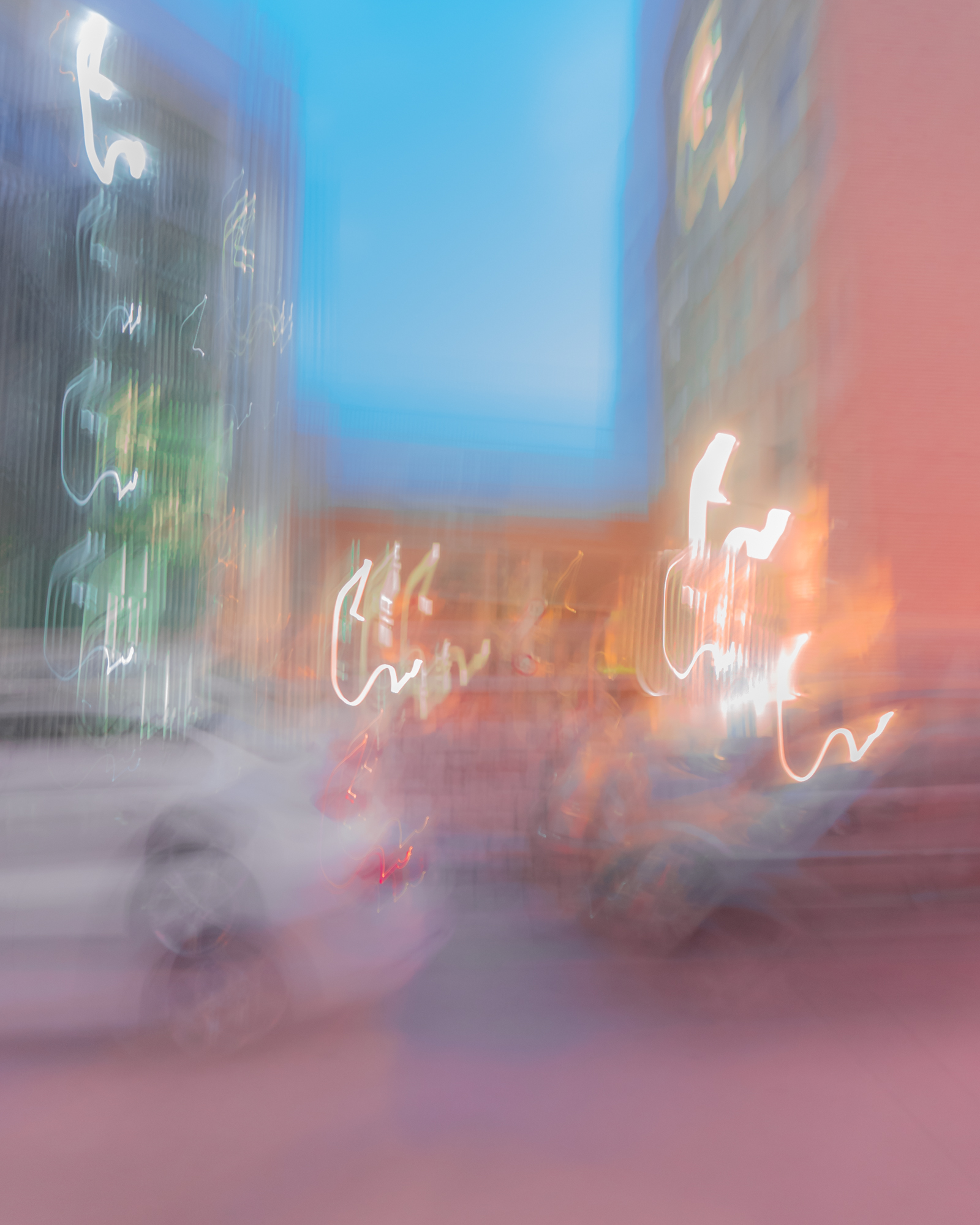
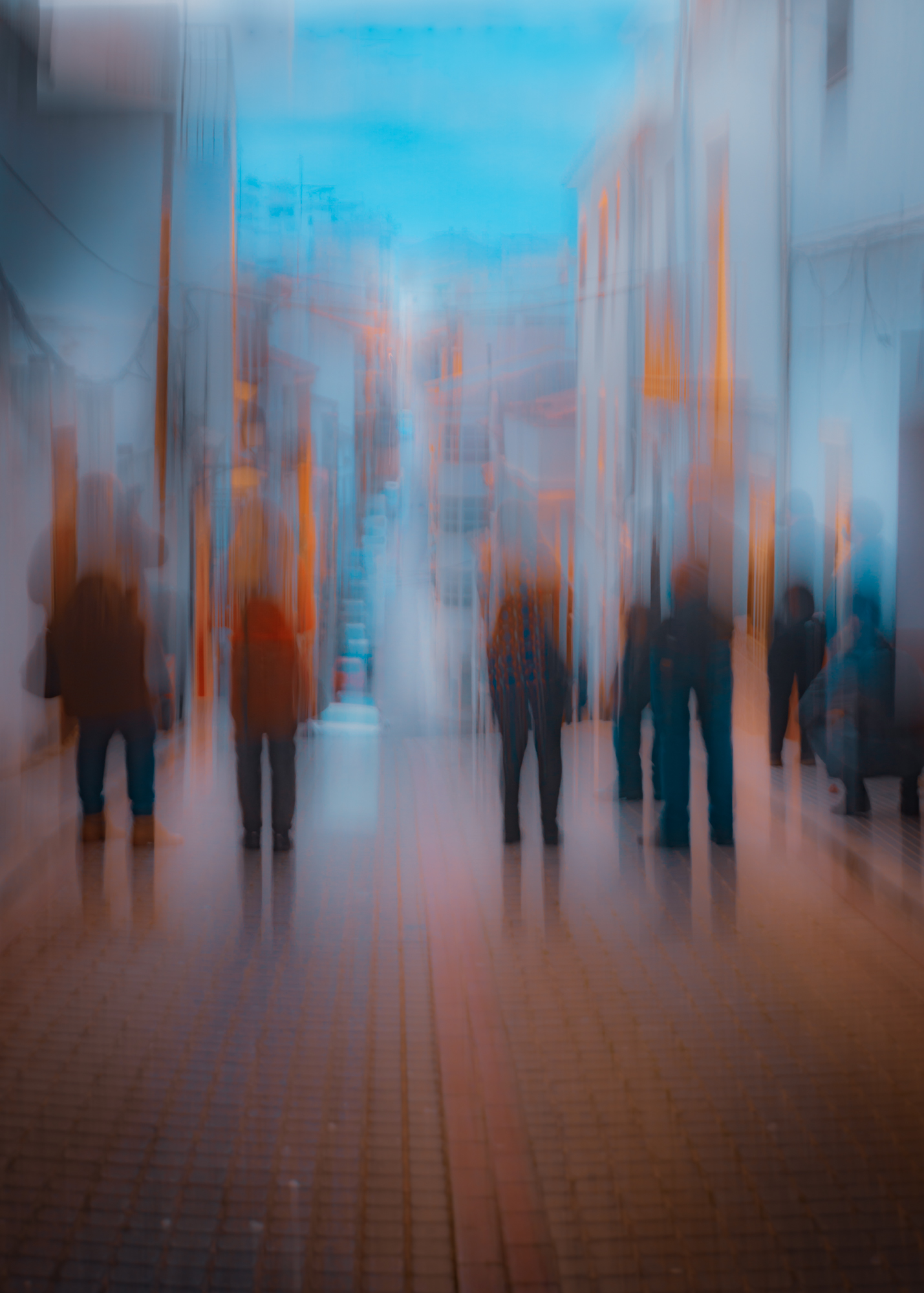
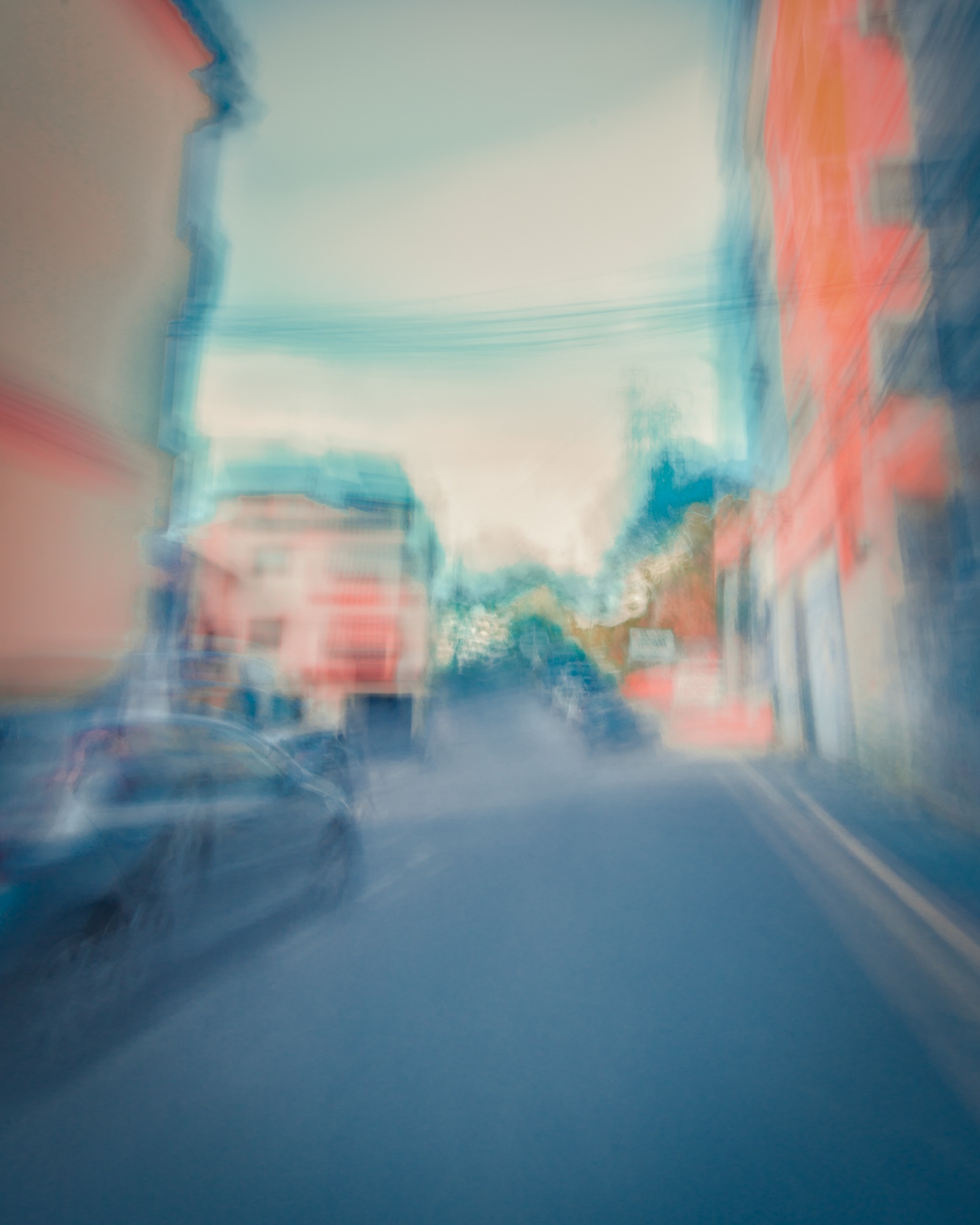
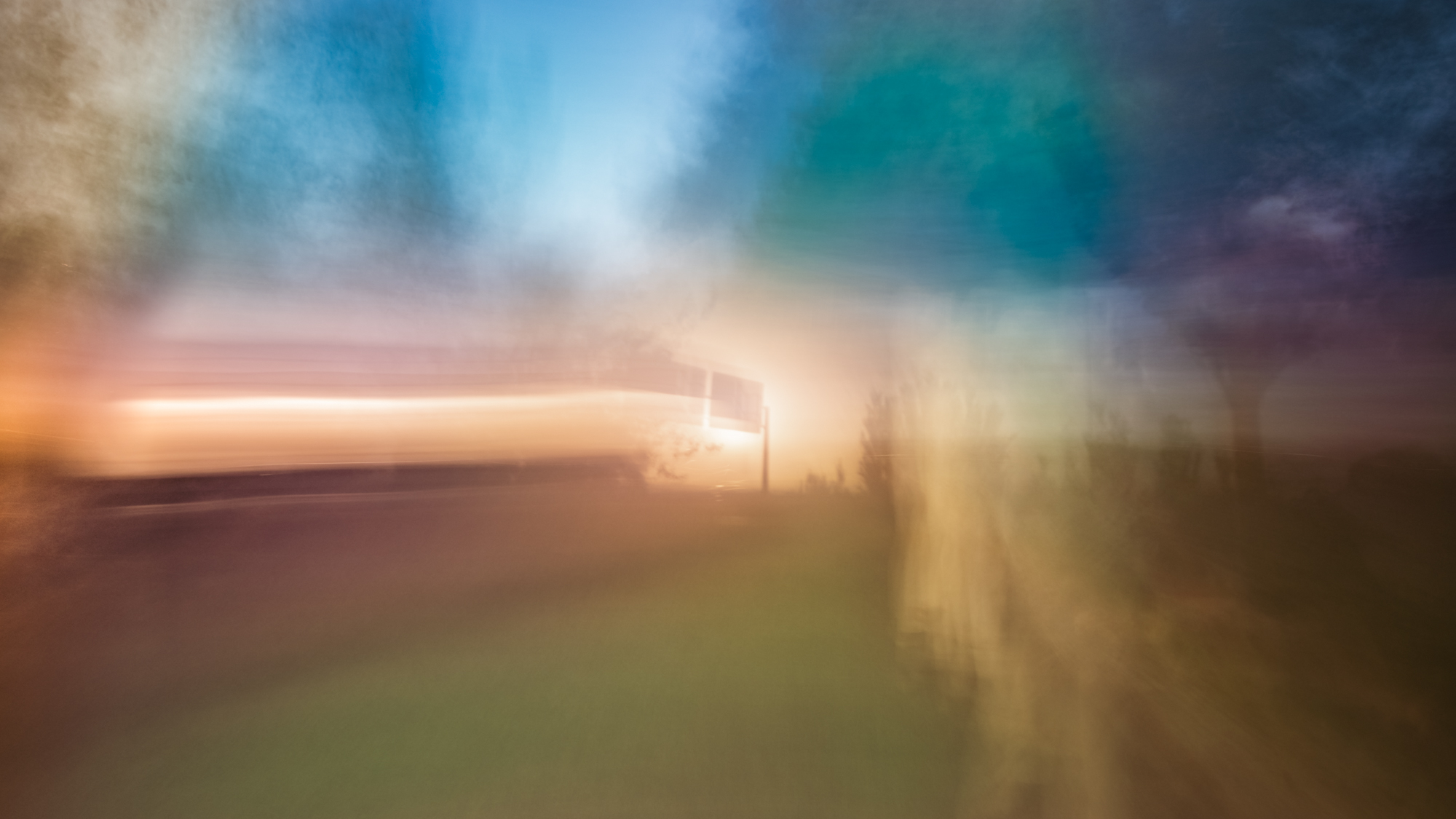
Urban Solitude examines contemporary isolation within highly engineered urban environments—but not through stillness or monumentality. Instead, everything here is in motion. Streets smear, buildings tremble, light fractures. The city does not present itself as solid or stable, but as a continuous process: a system in constant flux.
Human presence appears only briefly. Figures emerge as traces rather than subjects—suggestions of presence rather than identifiable individuals. They pass through the frame without anchoring it. The images suggest not absence, but fragility: the sense that the human body no longer sets the tempo of the space it inhabits.
What persists is not the city as object, but the city as structure. Traffic flows, corridors, grids, signage, and directional forces continue regardless of who moves through them. The urban environment behaves like a machine that never pauses, never resolves. It does not need to be solid to feel dominant—it only needs to keep going.
Technically, every image begins as an optically captured photograph of a real scene. Morón works handheld, using long exposure combined with deliberate ICM techniques such as vertical sweeps, micro-rotations, and lateral drift. He produces multiple takes on location, later selecting those frames where form remains legible but displaced. Post-processing is strictly photographic, limited to tonal balance, contrast, and color refinement. No AI generation, painting, or drawing is involved.
What gives Urban Solitude its force is this tension between movement and structure, intensified by colour. The images are abstract, yet unmistakably rooted in real places. Light feels dense, while colour vibrates across the frame. Saturated yellows, electric blues, deep oranges, and dark greys heighten the atmospheric feeling. The city appears not as a monument, but as a process that absorbs everything passing through it.
This is not a dystopian vision, nor a nostalgic one. It is a body of work that operates on an emotional and metaphorical level. The city does not collapse, but it never settles. And within that restless flow, the human presence appears like a palimpsest—briefly visible, then overwritten.
All photos © HÉCTOR MORÓN
To see more of his photography visit his website or his Instagram page.
 SPECTACULUM MAGAZINE
One reply on “URBAN SOLITUDE”
[…] Spectaculum Magazine […]