

BEAN X
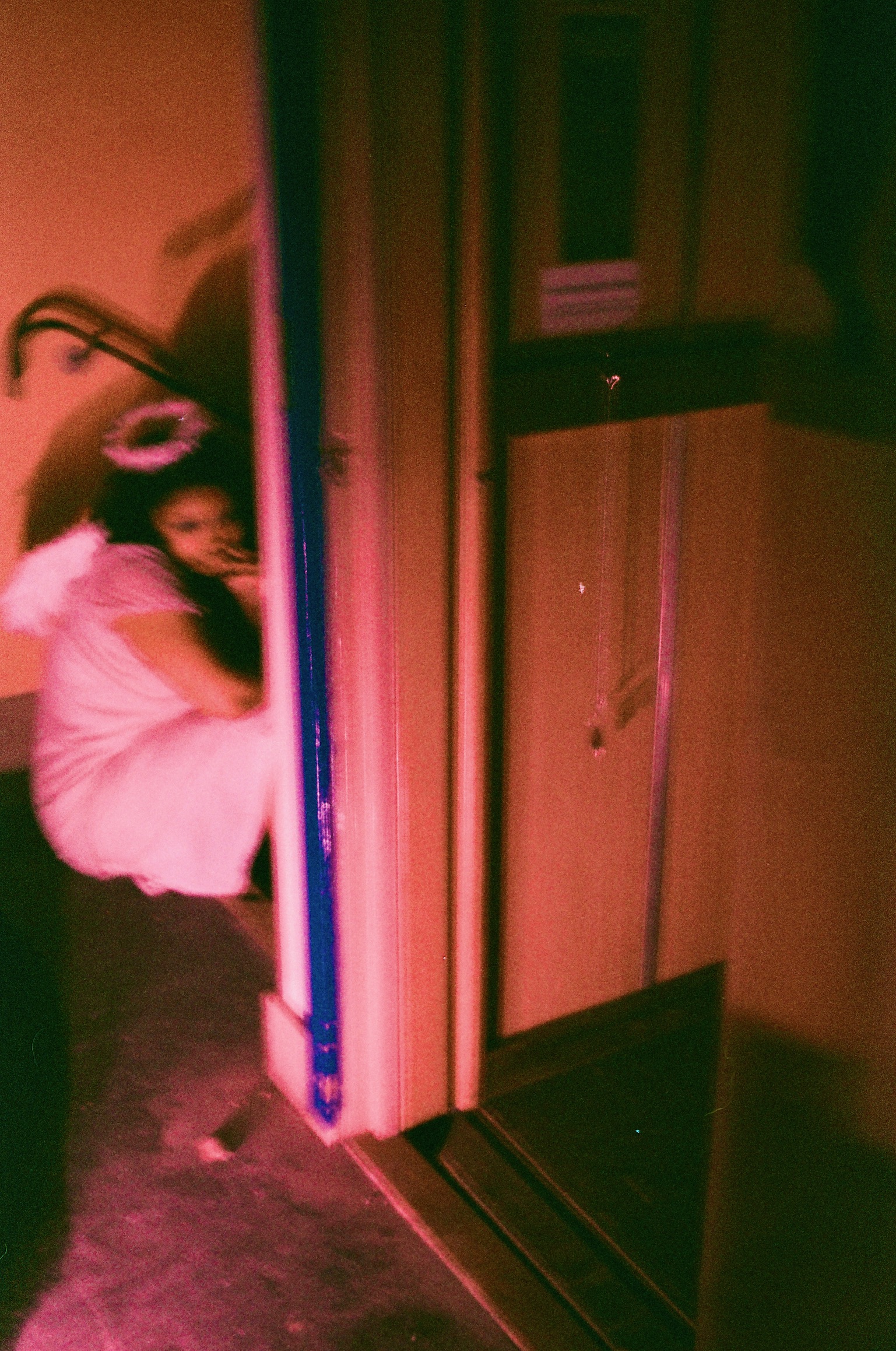
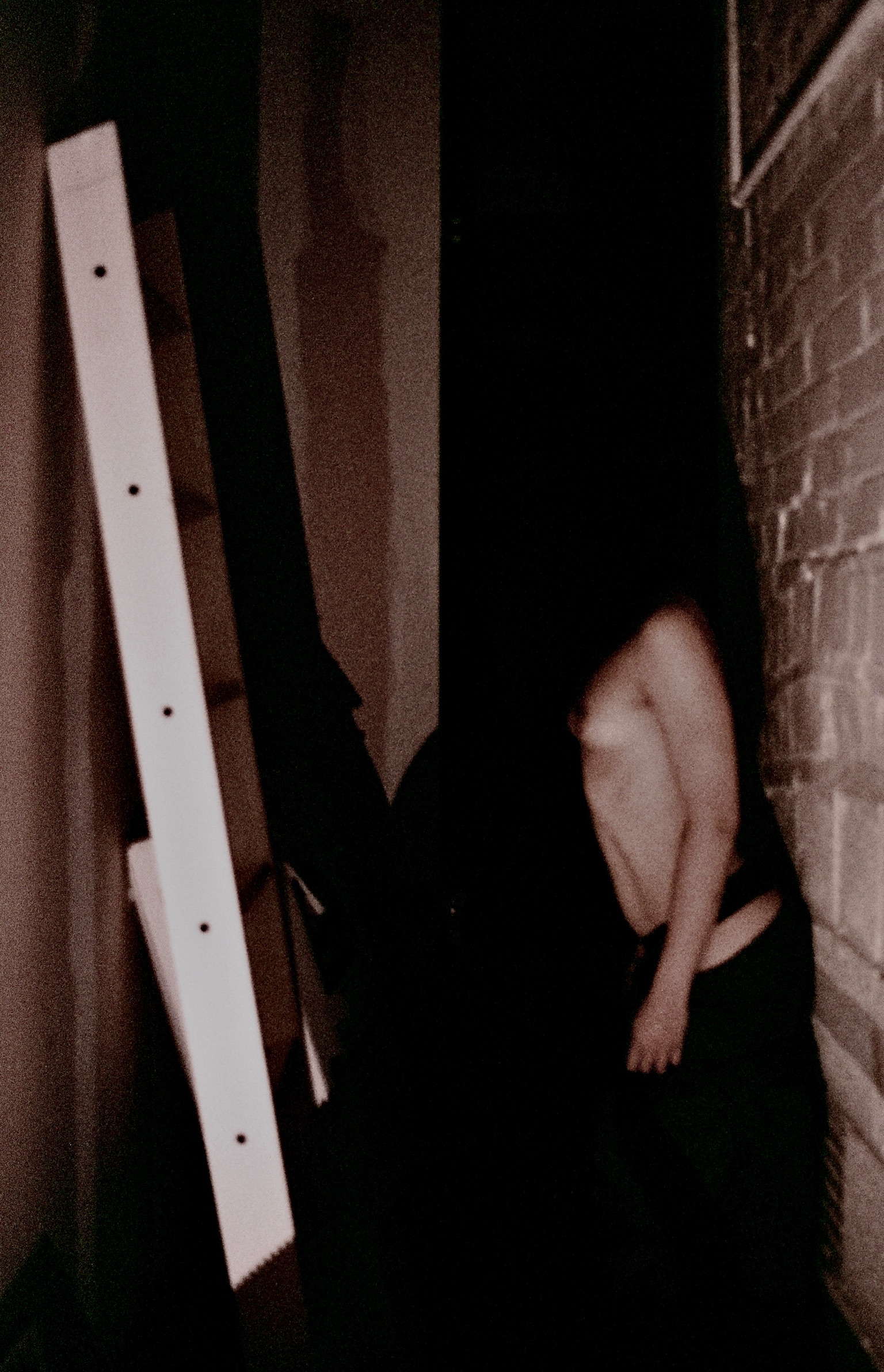
// For London-based artist and squatter Bean, photography is not just an artistic practice—it’s a personal, political, and emotional exorcism. Working with 35mm film and collaborators from the underground music and queer performance scene, they construct dreamlike tableaux where disorientation, dissociation, and desire converge in charged visual fragments. Their images feel like transmissions from a subconscious struggling to surface—potent with mystery, but grounded in lived experience.
What draws you to the arts?
My housing situation, squatting draws me to form communities and collaboration.
What do you like best about this project?
I really like how I was alble to create potency through the enigma.
“Obscenity begins when there is no more spectacle… when everything becomes immediately transparent… We no longer partake of the drama of alienation, but are in the ecstasy of communication.”
Jean Baudrillard



Click on the photos to see the original larger version. Images may be cropped for layout.
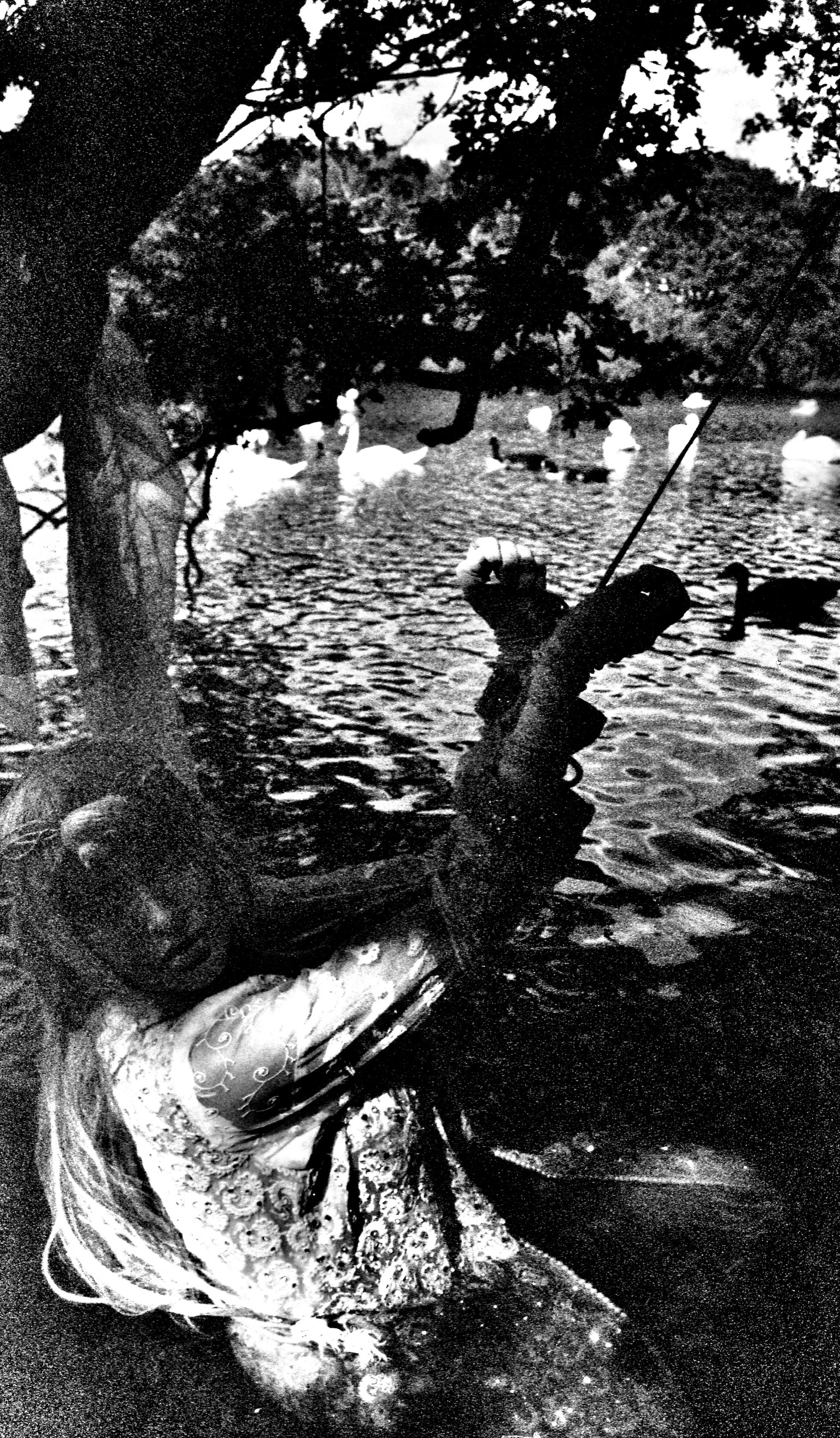
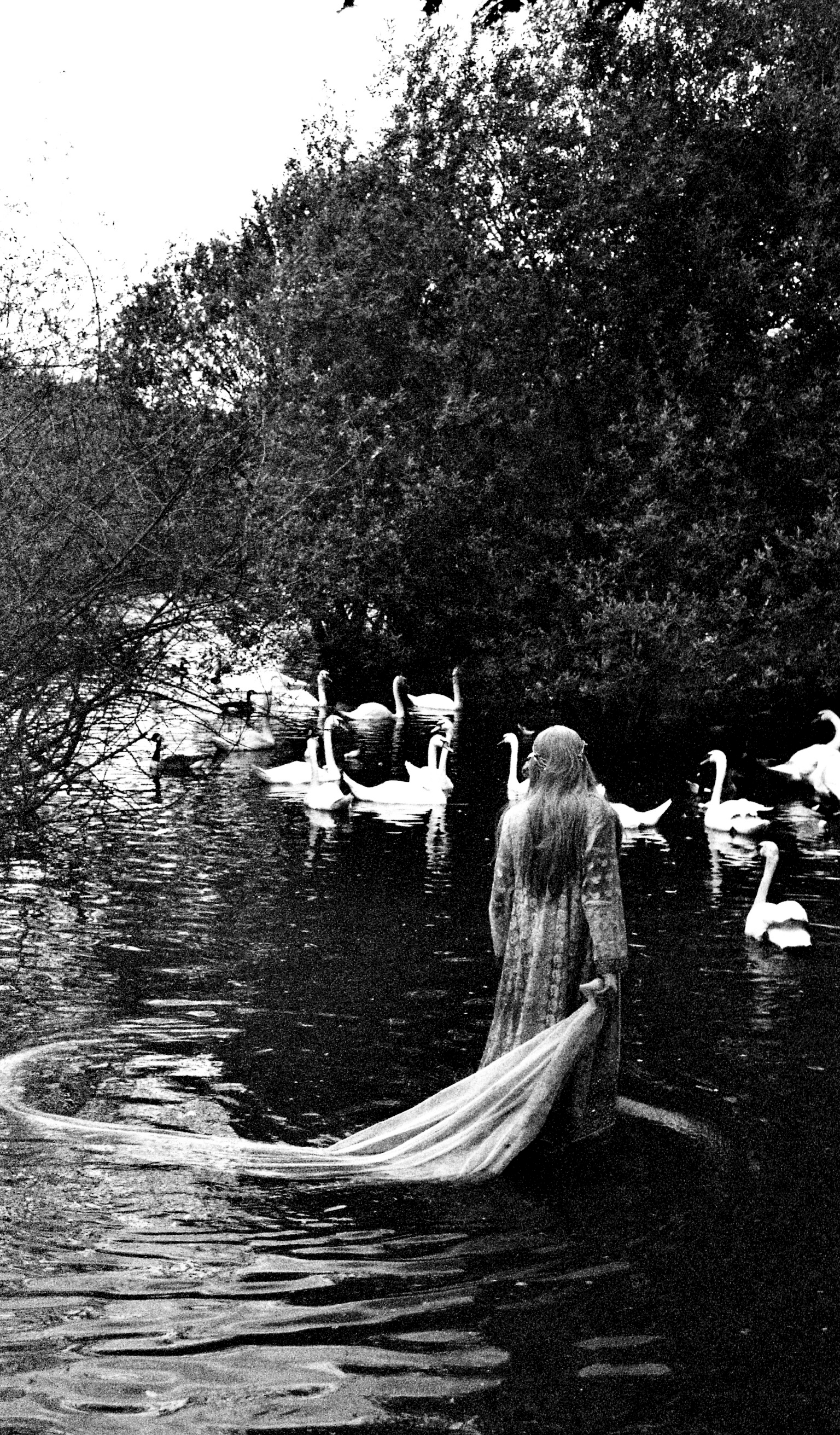
Bean’s practice emerges from the margins—social, economic, and architectural. Living in squats and participating in housing rights activism, they turn their environment into a studio, a canvas, and a collaborator. Abandoned buildings, decaying corridors, and forgotten corners of the city become resonant spaces in which to explore the body’s fraught relationship to nature, home, and gendered expectations. Their series, composed entirely of analogue images, is rooted in surreal visual language: obscured faces, dreamlike distortions, and uncanny domesticity.
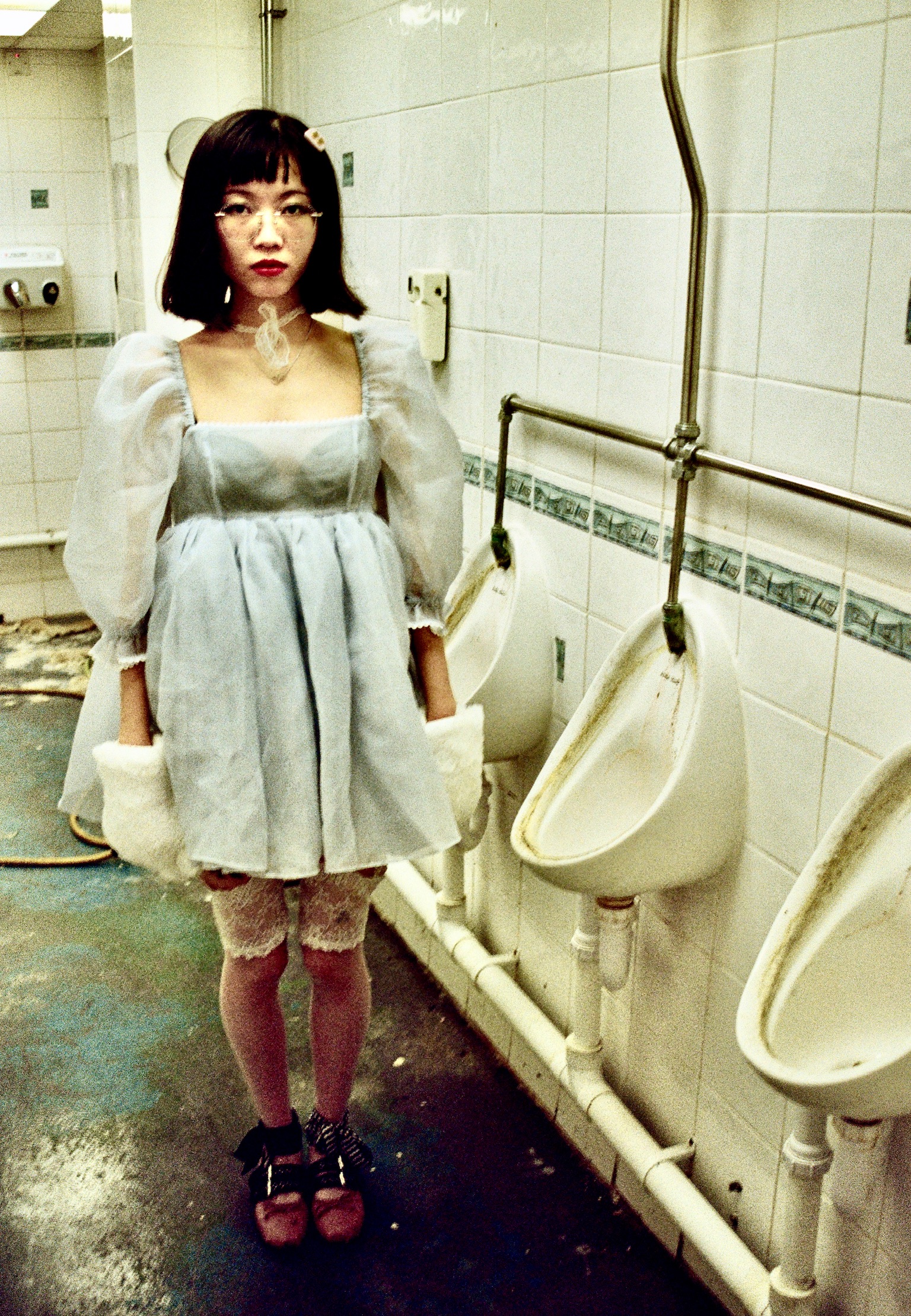
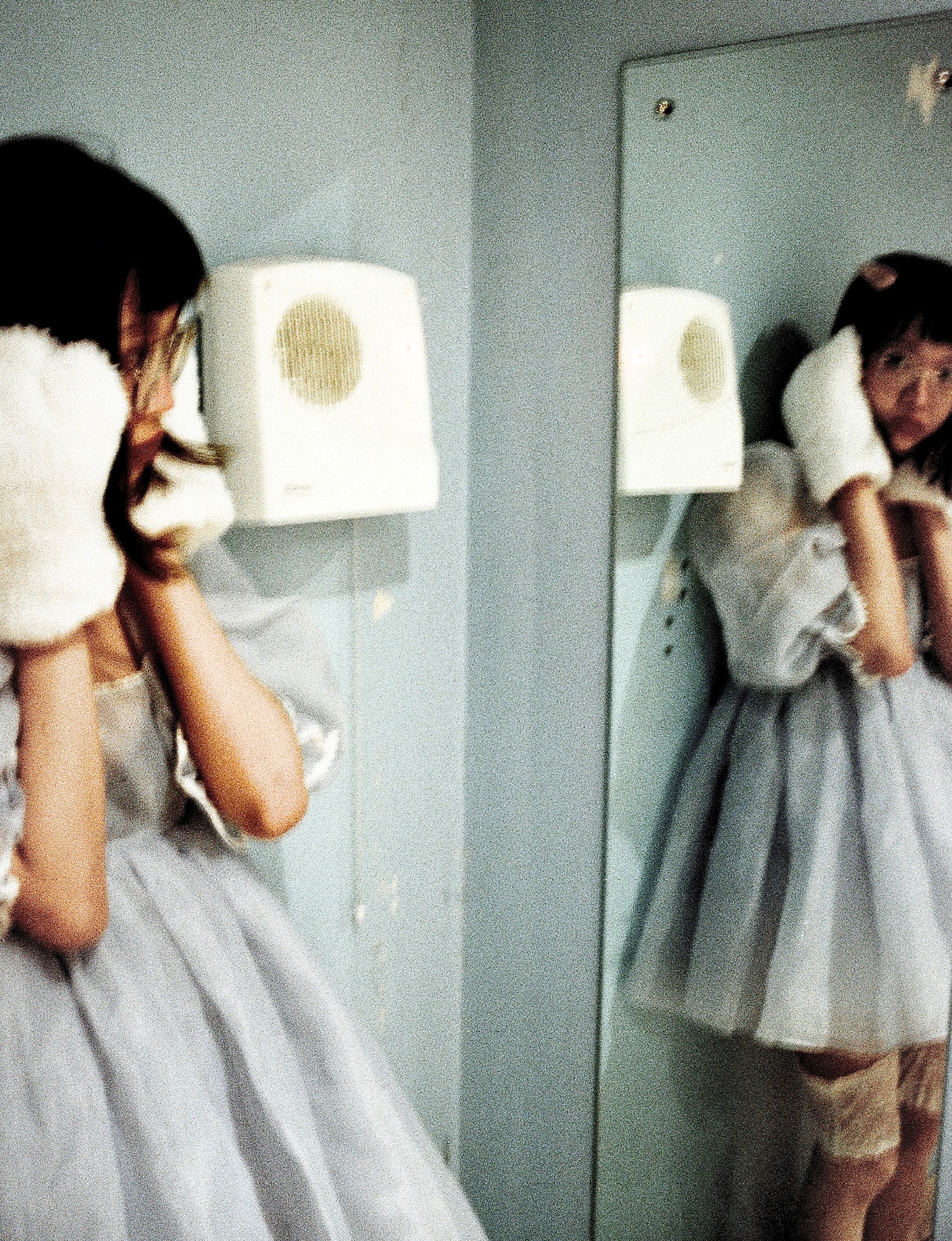
Their most recent project investigates what happens when repression fractures. Drawing on psychoanalytic ideas, the work stages moments when buried memory or trauma surfaces—not literally, but through symbols. “These emerge condensed in symbols,” Bean notes, “often through dreams, causing emotional and cognitive disorientation, because the person doesn’t recognize the true source of these feelings.” The photographs are filled with ambiguity and tension. In one, a figure in a vintage blue dress stands alone in a grimy bathroom, flanked by urinals. In another, chairs cascade in impossible angles across a white-tiled space, turning a mundane room into an Escher-like panic dream.
One striking image captures a masked figure mid-motion in a peeling corridor, arms thrown back as if in a gesture of abandon or warning. Another shows a body curled beneath a fluorescent glow, suspended in a blur of shadow and overexposure. Bean’s use of film, colour casts, and physical location amplify the sense of ghosted feeling—what they call “emotional discharge.” There’s a haunting quality to these works, as if they are echoes of unspeakable experience attempting to claw their way into language.
These photographs are not simply personal expressions—they also respond to the broader political and social forces pressing down on queer lives in the UK. Under conditions of housing precarity, state neglect, and newly imposed gender classification laws, Bean sees the power of the body to express itself as increasingly restricted. “What can’t be allowed in the social sphere,” they write, “gets buried alive.” Their images, then, are radical acts of visual resistance: symbolic eruptions of what the dominant world tries to erase.
For Bean, art is also a process of connection. Collaboration—with performers, models, musicians, friends—forms the emotional core of the work. These are not simply posed portraits but shared dreamscapes, enacted rituals of collective visibility in a hostile world. Bean describes the work as “a visual research of symbols and expression,” but also as something visceral: a “materialisation” of queer existence under pressure.
Their favourite quote, from Jean Baudrillard, speaks to the tension at the heart of their work: “Obscenity begins when there is no more spectacle… when everything becomes immediately transparent… We no longer partake of the drama of alienation, but are in the ecstasy of communication.” Bean’s photographs reclaim that drama—not as alienation, but as rupture. They reintroduce mystery, enigma, and theatricality into a world that flattens identity into legible boxes. Through surreal film imagery, symbolic gesture, and embodied presence, they offer a powerful reminder: what is buried will not stay silent.
All photos © BEAN
Explore more of Bean’s dreamlike analog work via @the.anticathected Their images are an invitation into a layered, lived mythology—fragmented, fierce, and full of feeling.
 SPECTACULUM MAGAZINE